
Vitamin A in Your Diet: Plant vs. Animal Sources
Learn the differences between plant and animal sources of vitamin A, how absorption works with dietary fat, and practical ways to meet your daily needs.
· 4 min read
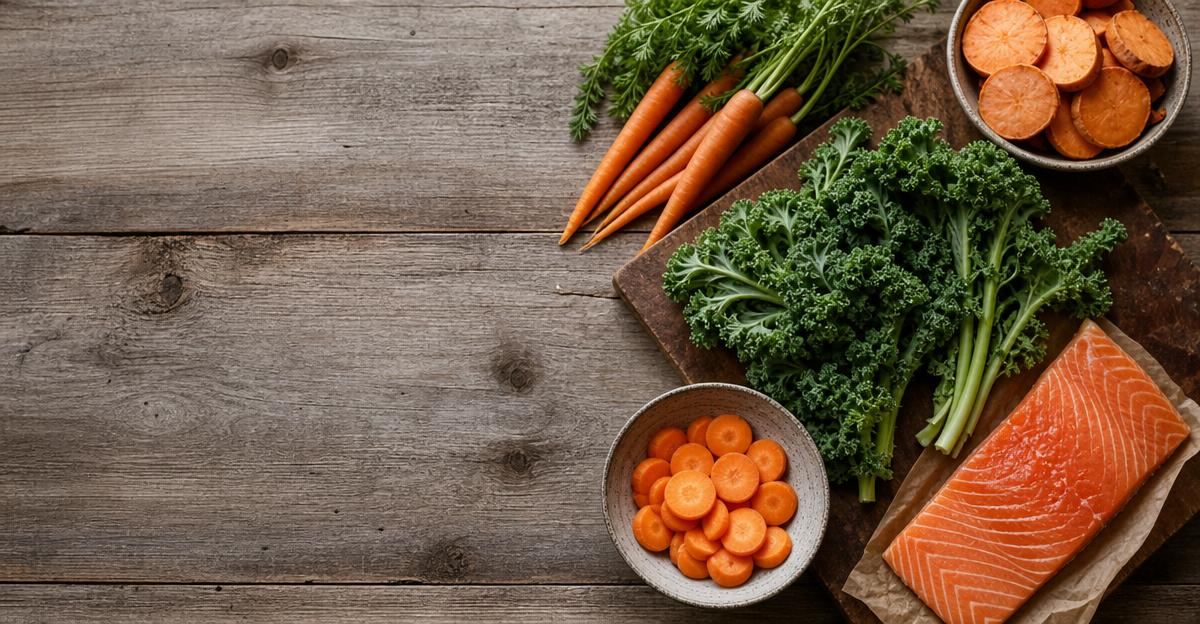
When you track your meals, macros often get the most attention. Protein grams, total calories, and fiber targets usually dominate the daily dashboard. Yet micronutrients play an equally critical role in how you feel, recover, and function. Among essential fat-soluble nutrients, vitamin A stands out for its direct influence on immune defense, vision health, and cellular repair.
Getting enough vitamin A sounds simple, but the nutrient comes in two distinct dietary forms that your body processes differently. Understanding how plant and animal sources work helps you build balanced meals without needing complicated spreadsheets.
The Two Forms of Dietary Vitamin A
Vitamin A is not a single chemical compound. Instead, it exists in food as two primary categories:
- Preformed Vitamin A (Retinoids): Found exclusively in animal products, including dairy, eggs, fish, and organ meats. The body absorbs retinoids directly and utilizes them readily.
- Provitamin A Carotenoids (such as Beta-Carotene): Found in plant foods, especially orange, yellow, and dark leafy vegetables. Your body must convert these plant pigments into active retinol before using them.
Because plant carotenoids require an enzymatic conversion step in the small intestine and liver, their conversion rate varies between individuals. Genetics, gut health, and meal composition all influence how efficiently you turn beta-carotene into active vitamin A.
According to the National Institutes of Health vitamin A guide, daily intake targets are measured in Retinol Activity Equivalents (RAE) to account for these conversion differences. For example, it takes roughly twelve micrograms of dietary beta-carotene from food to equal one microgram of active retinol.
Top Animal and Plant Sources
You do not need to overhaul your entire diet to meet your daily needs. Small, regular additions of whole foods make a steady difference.
Preformed Vitamin A (Animal Sources)
- Egg yolks: A whole egg provides active retinoids along with dietary choline and healthy fats.
- Fatty fish: Salmon, mackerel, and sardines deliver both active vitamin A and anti-inflammatory omega-3 fatty acids.
- Dairy products: Whole milk, yogurt, and butter contain natural retinoids.
- Beef liver: Organ meats are exceptionally rich in preformed vitamin A; even a small serving once a month provides significant amounts.
Provitamin A Carotenoids (Plant Sources)
- Sweet potatoes: One baked sweet potato with the skin supplies well over a full day’s estimated carotenoid needs.
- Carrots: Classic, portable, and versatile raw or cooked.
- Dark leafy greens: Spinach, kale, and collard greens contain high concentrations of beta-carotene, masked by green chlorophyll.
- Winter squash: Butternut and acorn squash offer rich sources that store well.
If you are logging daily vegetables and wondering how much detail you need in your journal, you can learn should you track non-starchy vegetables to keep your routine manageable.
Absorption Requires Dietary Fat
Vitamin A is a fat-soluble vitamin. Whether you eat active retinoids from eggs or beta-carotene from carrots, your digestive system requires dietary fat to absorb the nutrient effectively.
Eating raw carrot sticks on an empty stomach yields very little absorbed vitamin A. However, roasting those same carrots in olive oil, tossing spinach with an oil-based dressing, or eating sweet potatoes alongside a source of protein and fat dramatically increases carotenoid bioavailability.
If you follow a plant-focused diet, pair colorful produce with whole-food fats like avocado, nuts, seeds, or quality oils at the same meal.
Balancing Intake and Avoiding Excess
Because vitamin A is fat-soluble, your body stores excess amounts in the liver rather than clearing them rapidly through urine.
Toxicity from plant-based carotenoids is virtually unheard of. If you consume vast quantities of carrot juice or sweet potatoes, your skin might temporarily develop a slight orange tint (carotenodermia), but the condition is harmless and resolves when you reduce intake.
Preformed vitamin A from animal sources and concentrated supplements, however, carries a real risk of buildup if taken in excess over long periods. High-dose retinoid supplements should only be used under the direct supervision of a healthcare provider. If you need clinical guidance or lab work to evaluate nutrient levels, consulting a licensed medical.life professional can help clarify your personal requirements.
How to Keep Meal Logging Simple
You do not need to track every single microgram of carotenoids every day. Instead, aim for dietary variety across the week:
- Include one deeply colored orange or yellow vegetable most days.
- Add dark leafy greens to scrambles, bowls, or salads.
- Pair your produce with healthy dietary fats.
- Include pasture-raised eggs or fatty fish a few times a week if you eat animal products.
Consistency over weeks matters far more than hitting an exact micronutrient target on any single afternoon.
Keep track of your meals, workouts, and daily wellness habits without the friction of endless manual entry. Download Stride to log meals from a quick photo and monitor your progress in one clear view.
Put this into practice with Stride
Log meals, training, weight and sleep in seconds, then get guidance that fits your own numbers.
Try Stride free