
Should You Track Non-Starchy Vegetables?
Learn whether you should log non-starchy vegetables when tracking food, how cooking methods affect calories, and how to find a sustainable balance.
· 4 min read
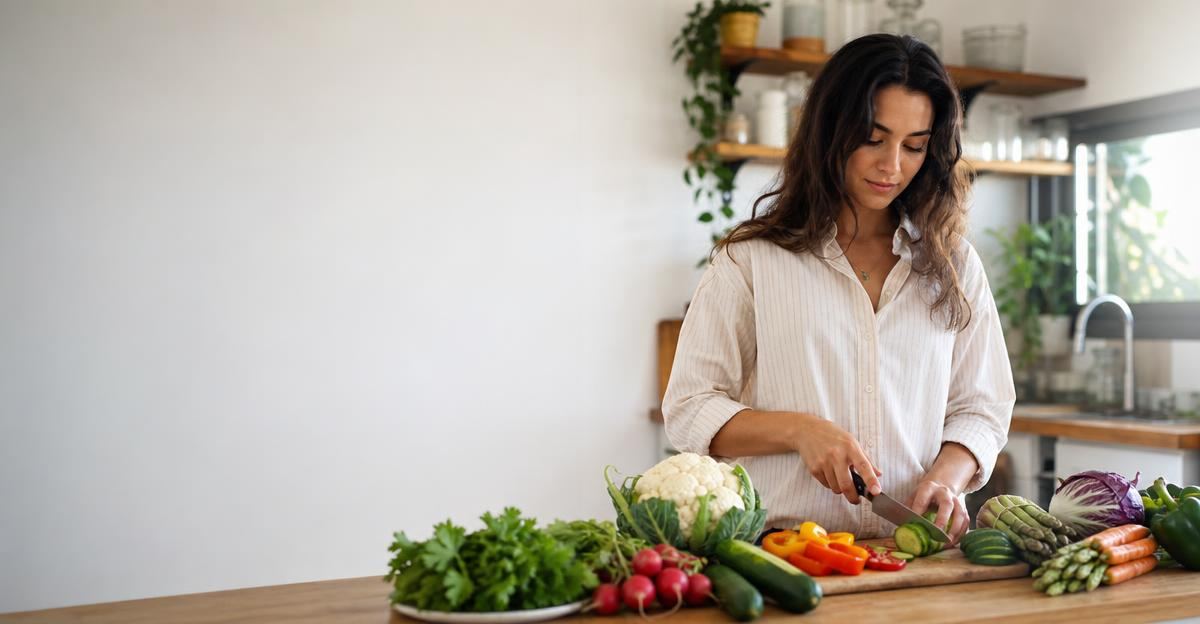
When you begin logging your meals, one of the first dilemmas you run into is deciding what actually needs to be entered. Weighing a chicken breast or measuring olive oil makes immediate sense because those foods carry a dense caloric load. But when you are tossing a handful of raw spinach into a bowl or slicing half a cucumber, you might wonder if logging those few calories is worth the extra effort.
Non-starchy vegetables—like zucchini, bell peppers, lettuce, celery, broccoli, and tomatoes—are packed with water, vitamins, and dietary fiber, but they provide very little energy per serving. Deciding whether to meticulously log them, estimate them, or skip them altogether comes down to your personal goals, your relationship with tracking, and how you prepare your food.
Here is a practical look at how to handle non-starchy vegetables so your logging stays useful without becoming exhausting.
The Case for Skipping or Estimating Them
The biggest argument against weighing every leaf of kale is tracking fatigue. Nutrition tracking works best when it is sustainable over weeks and months. If entering a simple side salad takes five minutes because you are weighing the lettuce, radishes, and cucumbers separately, the friction can quickly lead to burnout.
From a purely energetic standpoint, non-starchy vegetables contribute minimally to your daily caloric total. A cup of raw spinach contains roughly seven calories, while a medium cucumber contains around thirty. Even if you eat several generous servings throughout the day, the variance usually amounts to fewer than 100 calories.
For general health and fat loss, this margin of error is rarely what makes or breaks your progress. Many people find success by establishing a "free food" list of raw or plain leafy greens and watery vegetables, allowing them to focus their tracking energy on calorie-dense macronutrients. If you often wonder how to track multi-ingredient home-cooked meals fast, eliminating the need to weigh every single vegetable garnish or side is one of the easiest ways to streamline your routine.
When Tracking Vegetables Becomes Essential
While the vegetables themselves are light in calories, the way we prepare them often is not. This is where unlogged vegetables can quietly throw off your numbers.
Cooking Fats and Dressings
A cup of roasted broccoli might only have thirty calories of vegetable matter, but if it was tossed in a tablespoon of olive oil before going into the oven, that single serving now contains an additional 120 calories of fat. If you skip logging the broccoli, you might also forget to log the cooking fat. The same rule applies to raw salads drenched in vinaigrette, creamy dressings, or seeds. If you choose not to log the vegetables, you must still account for the oils, sauces, and toppings.
Micronutrient and Fiber Goals
If you are managing blood sugar, improving digestive health, or monitoring specific nutritional markers, logging vegetables gives you valuable data. According to the USDA FoodData Central, dark leafy greens and cruciferous vegetables provide the vast majority of daily potassium, folate, and insoluble fiber in a whole-food diet. If your primary goal is ensuring you hit daily fiber targets rather than just watching calories, tracking your vegetables provides an accurate picture of your gut health habits.
High-Volume Veggie Eaters
If you eat plant-based meals or use high-volume eating strategies to stay full, your vegetable intake might be substantial. Consuming multiple pounds of vegetables across stir-fries, massive salads, and blended soups can add up to 200 to 300 unrecorded calories per day. In a tight energy deficit, that difference can slow down expected weight loss.
How Your Health Context Influences Tracking
Nutrition needs shift across different stages of life and health conditions. While someone training for a physique competition might track every gram of asparagus, an individual managing a chronic illness might prioritize nutrient density and convenience over calorie counting. For example, individuals exploring supportive services like non hospice palliative care options often work with clinical teams who focus primarily on overall nourishment, appetite maintenance, and quality of life rather than rigid food logging.
Please remember that dietary tracking strategies are general lifestyle tools. If you have specific dietary requirements, kidney conditions that require potassium monitoring, or a history of disordered eating, speak directly with a registered dietitian or physician to find an approach tailored to your medical needs.
Finding the Right Balance for Your Routine
To decide how to handle non-starchy vegetables in your own routine, consider choosing one of these three approaches:
- The Set-and-Forget Approach: If your vegetable intake is relatively consistent from day to day, you do not need to log plain raw greens and veggies. Simply account for them by setting your daily calorie target slightly lower (by 75 to 100 calories) and track only the added fats, dressings, and proteins.
- The Visual Estimation Method: Instead of using a digital food scale for your vegetables, log them using quick portion estimates (e.g., "1 cup raw broccoli" or "2 cups mixed salad greens"). This logs the fiber and micronutrients in your app without adding tedious prep steps.
- The Photo Log Method: If you want total accuracy without manual data entry, snapping a photo of your plate can identify the vegetables alongside your proteins and starches, capturing the meal composition in seconds.
Consistency Over Perfection
The purpose of tracking your nutrition is to give you clarity and control, not to create unnecessary stress at dinner. Whether you decide to log every carrot stick or simply track your added cooking oils, the best strategy is the one you can stick with calmly over the long haul.
If you want an effortless way to keep an eye on your meals, workouts, and daily habits, try Stride to log meals, workouts, and weight in one place.
Put this into practice with Stride
Log meals, training, weight and sleep in seconds, then get guidance that fits your own numbers.
Try Stride free