
Sweet Potato Calories: Portions, Cooking, and Nutrition
Learn sweet potato calories by size and cooking method, plus practical tips on fiber, portion estimation, and accurate daily nutrition tracking.
· 4 min read
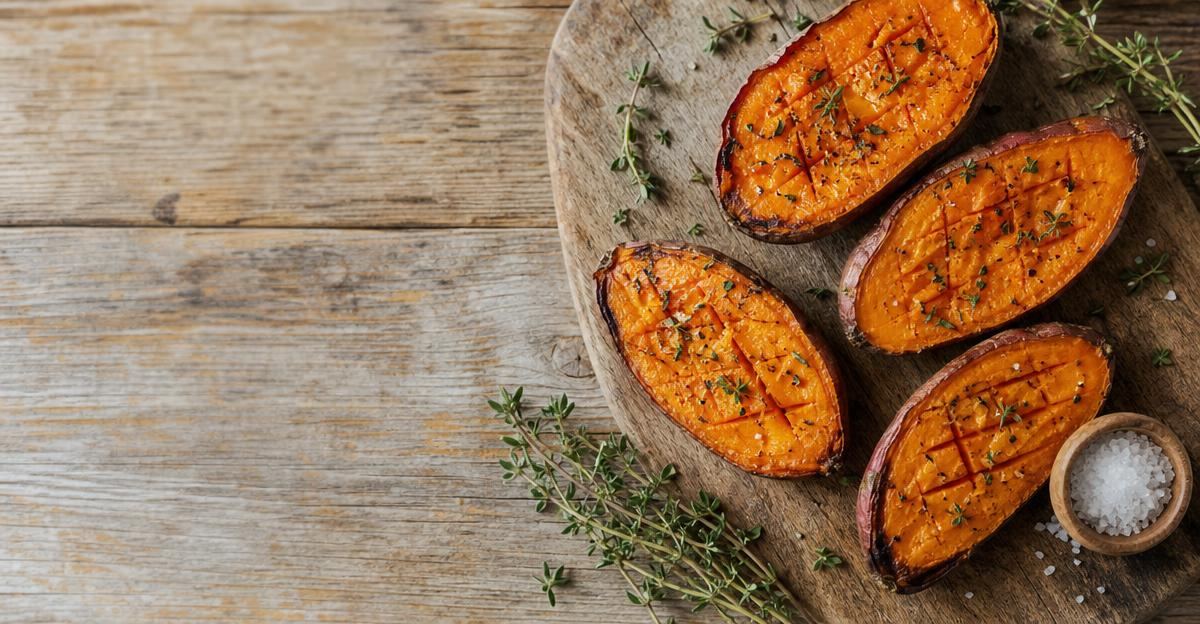
Sweet potatoes are a staple in many kitchens, prized for their rich flavor, complex carbohydrates, and vibrant micronutrient profile. Whether you are balancing macronutrients for training, managing steady energy levels, or simply keeping an eye on your daily intake, knowing how sweet potato calories change based on size and cooking method makes nutrition tracking much simpler.
Unlike leafy greens, starchy root vegetables have a noticeable impact on daily energy totals. Understanding how to estimate their calories accurately helps you fuel your body effectively without unnecessary guesswork.
The Basic Calorie Breakdown
At their core, sweet potatoes are predominantly water and carbohydrates, with minimal protein and negligible fat. According to nutritional data from the USDA FoodData Central database, a standard 100-gram serving of plain baked sweet potato contains approximately 90 calories, 2 grams of protein, 21 grams of total carbohydrates, and about 3 grams of dietary fiber.
Because raw produce varies dramatically in shape and weight, visual estimates can easily lead you astray. Here is a general breakdown of calories across standard sizes for a plain, baked sweet potato (eaten with the skin):
- Small sweet potato (approx. 60g raw / ~2 inches diameter): ~54 to 60 calories
- Medium sweet potato (approx. 114g to 130g / ~5 inches long): ~100 to 115 calories
- Large sweet potato (approx. 180g or more): ~160 to 180+ calories
If you have ever bought sweet potatoes at a standard grocery store, you might have noticed that many tubers easily weigh 250 to 350 grams. A single large restaurant-style sweet potato can easily reach 250 to 300 calories before adding any toppings.
For broader nutrition and dietary guidance tailored to personal health conditions or blood sugar management, always consult a registered dietitian or a clinician at medical.life.
How Cooking Methods Impact Calories
Water weight shifts during cooking, which alters the calorie density per ounce or gram. More importantly, the fats and oils introduced during preparation change the final numbers considerably.
1. Baked or Roasted Whole (Plain)
Baking a sweet potato in its skin removes some moisture through evaporation, slightly concentrating the natural sugars and calories per gram. However, as long as you do not add oil, the total calorie count of the potato itself remains identical to its raw state. A medium plain baked potato stays right around 100 to 115 calories.
2. Boiled or Steamed
Boiling causes sweet potatoes to retain more water, making them slightly less calorie-dense by weight compared to roasted versions. Boiled sweet potatoes also preserve a lower glycemic index because the starches gelatinize differently than when exposed to dry, high-temperature roasting.
3. Roasted Cubes with Oil
Tossing diced sweet potatoes with olive oil or avocado oil is a common prep method. While healthy fats support nutrient absorption (particularly fat-soluble beta-carotene), one tablespoon of oil adds roughly 120 calories. A modest serving of roasted cubes can easily climb from 100 calories to 180–220 calories if generous amounts of cooking oil are used.
4. Sweet Potato Fries
Restaurant or frozen sweet potato fries are typically deep-fried or battered. A standard side of sweet potato fries often ranges from 300 to 450 calories, driven primarily by the cooking oil absorbed during frying.
Fiber, Satiety, and Nutrient Density
Beyond raw calorie counts, sweet potatoes offer exceptional nutritional value. They are rich in potassium, vitamin C, manganese, and beta-carotene, which the body converts into vitamin A.
The fiber content—especially when you eat the skin—promotes fullness and slows down digestion. Unlike refined carbohydrate sources, whole sweet potatoes digest gradually, preventing sharp blood sugar spikes and subsequent energy crashes.
While non-starchy vegetables like spinach and cucumbers have negligible calories that some people skip logging, root vegetables are different. As discussed in our guide on should you track non-starchy vegetables, starchy carbs contribute substantially to your daily macronutrient totals and warrant consistent tracking.
Simple Tips for Accurate Tracking
You do not need to stress over every gram to maintain a clear picture of your nutrition. A few straightforward habits will keep your tracking reliable:
- Log raw when prepping, cooked when serving: If you batch-cook roasted sweet potatoes for the week, weigh the entire raw batch and note the oil used, or weigh your individual cooked portions and use a verified cooked entry in your log.
- Watch the add-ons: Butter, maple syrup, brown sugar, sour cream, and marshmallow toppings can quickly double or triple the caloric value of a plain sweet potato. Measure these toppings separately.
- Use visual benchmarks: If you do not have a digital scale handy, a medium sweet potato (roughly 100 calories) is about the size of a clenched fist or a computer mouse.
Maintaining consistency with your nutrition does not mean giving up wholesome, satisfying carbohydrates. Logging meals, daily workouts, and body weight in Stride helps you understand exactly how nutrient-dense foods fit into your long-term goals without adding friction to your routine.
Put this into practice with Stride
Log meals, training, weight and sleep in seconds, then get guidance that fits your own numbers.
Try Stride free