
Raspberry Calories and Fiber: What a Cup Provides
Discover the calories, fiber, and nutrition profile of raspberries. Learn how a single cup fits into your daily nutrition and tracking goals.
· 3 min read
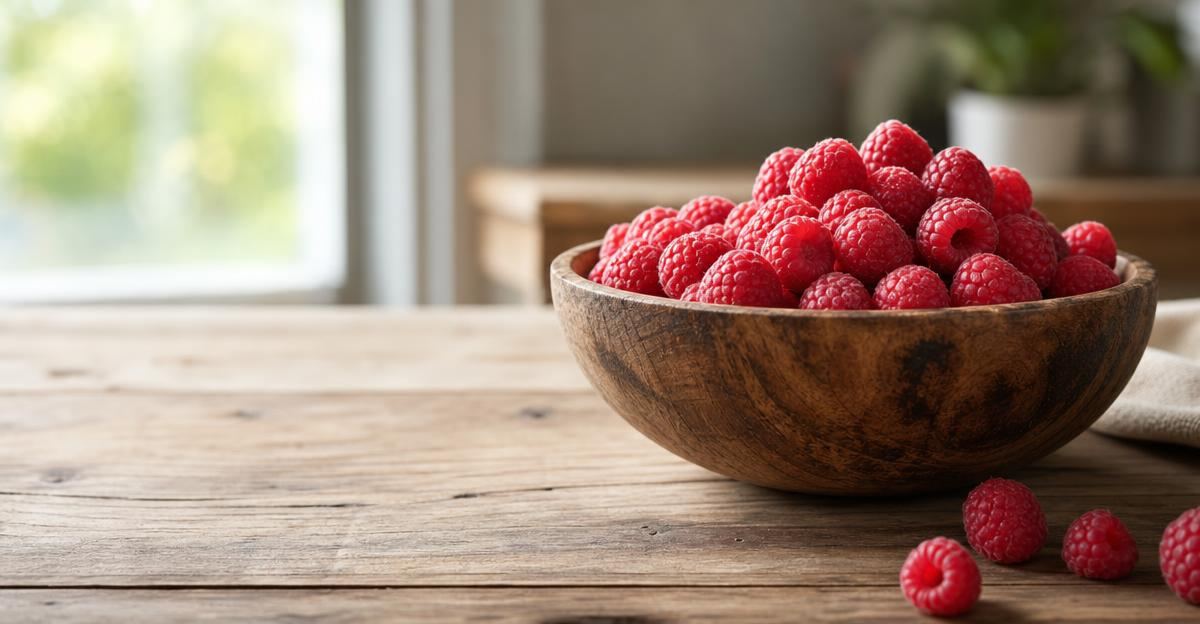
When you are tracking your nutrition, fruit can sometimes feel tricky to balance. Some fruits pack significant natural sugars into relatively small servings, making them easy to overconsume if you are watching your energy intake. Raspberries, however, stand out as an exceptional, nutrient-dense choice.
Whether you toss them into morning oatmeal, blend them into a post-workout shake, or eat them by the handful, understanding their exact nutritional profile helps you log your meals accurately and hit your daily dietary targets without guesswork.
The Calorie and Macronutrient Breakdown of One Cup
A standard one-cup serving of fresh raspberries weighs approximately 123 grams. According to the FoodData Central database, one cup of raw raspberries provides:
- Calories: ~64 kcal
- Dietary Fiber: ~8 grams
- Total Carbohydrates: ~15 grams
- Net Carbohydrates: ~7 grams
- Protein: ~1.5 grams
- Fat: ~0.8 grams
- Sugars: ~5.4 grams
At roughly 64 calories per cup, raspberries offer high nutritional volume for a modest energy cost. They are naturally low in sodium and fat while providing meaningful amounts of essential micronutrients, including vitamin C, manganese, and vitamin K.
Why the Fiber Content Matters
The defining feature of raspberries is their impressive fiber content. With roughly 8 grams of fiber per cup, raspberries deliver more fiber per serving than almost any other common fruit, including apples, blueberries, and bananas.
Fiber plays several vital roles in daily health and weight management:
- Promotes Fullness: High-fiber foods slow gastric emptying. This prolonged digestion keeps you feeling satisfied longer between meals, which helps prevent unplanned snacking.
- Blunts Blood Sugar Spikes: Fiber slows the absorption of carbohydrates into your bloodstream. Even though raspberries contain natural fruit sugars, their fiber matrix ensures a gradual, steady rise in blood glucose rather than a sharp spike and subsequent crash.
- Supports Digestive Health: Both soluble and insoluble fibers are present in raspberries. Soluble fiber helps nourish beneficial gut bacteria, while insoluble fiber adds bulk to stool to support regular bowel movements.
If you are mindful of your carbohydrate intake, calculating net carbohydrates (total carbohydrates minus dietary fiber) shows that a full cup of raspberries contains only about 7 grams of net carbs. This makes them a favorite for low-carb and Mediterranean-style eating patterns alike.
How Raspberries Fit Into Your Daily Nutrition Tracking
Logging whole foods with varying water and fiber contents can sometimes lead to tracking confusion. Similar to the question of whether you should you track non-starchy vegetables, how you record fruits depends on your specific health goals and total calorie targets.
Because raspberries are relatively low in calories, estimating a handful versus measuring an exact cup might seem harmless. However, if your daily targets require tight precision, measuring by weight (grams) on a kitchen scale provides the most reliable data.
For broader lifestyle management, combining whole-food nutrition tracking with overall medical care can provide a complete picture of your wellness; you can explore resources like medical.life to see how lifestyle habits connect with comprehensive health support.
Practical Ways to Add Raspberries to Your Diet
Adding raspberries to your routine does not require complicated recipes. Here are simple, practical ways to use them:
- Stirred into Greek Yogurt or Cottage Cheese: Mix a half-cup of raspberries into plain Greek yogurt for a high-protein, high-fiber breakfast or snack.
- Blended into Protein Shakes: Frozen raspberries add natural sweetness, tartness, and thickness to smoothies without watering them down.
- Topped Over Warm Grains: Add fresh raspberries to warm steel-cut oats or quinoa porridge so they soften and release their natural juices.
- Paired with Healthy Fats: A handful of fresh raspberries paired with raw almonds or walnuts creates a balanced snack with protein, healthy fats, and slow-digesting fiber.
*Note: The nutritional insights in this article are provided for general educational purposes. If you have specific dietary restrictions, metabolic conditions, or digestive concerns, speak to a clinician or registered dietitian before making significant changes to your diet.*
Take the friction out of daily nutrition tracking. Try Stride to log meals from photos, track your workouts, and monitor your weight trends all in one place.
Put this into practice with Stride
Log meals, training, weight and sleep in seconds, then get guidance that fits your own numbers.
Try Stride free