
Plum Calories: Nutrition Facts and Smart Portion Tips
Learn the calorie count and nutrition facts of fresh plums versus prunes, plus practical tips for fitting stone fruit into your daily tracking goals.
· 4 min read
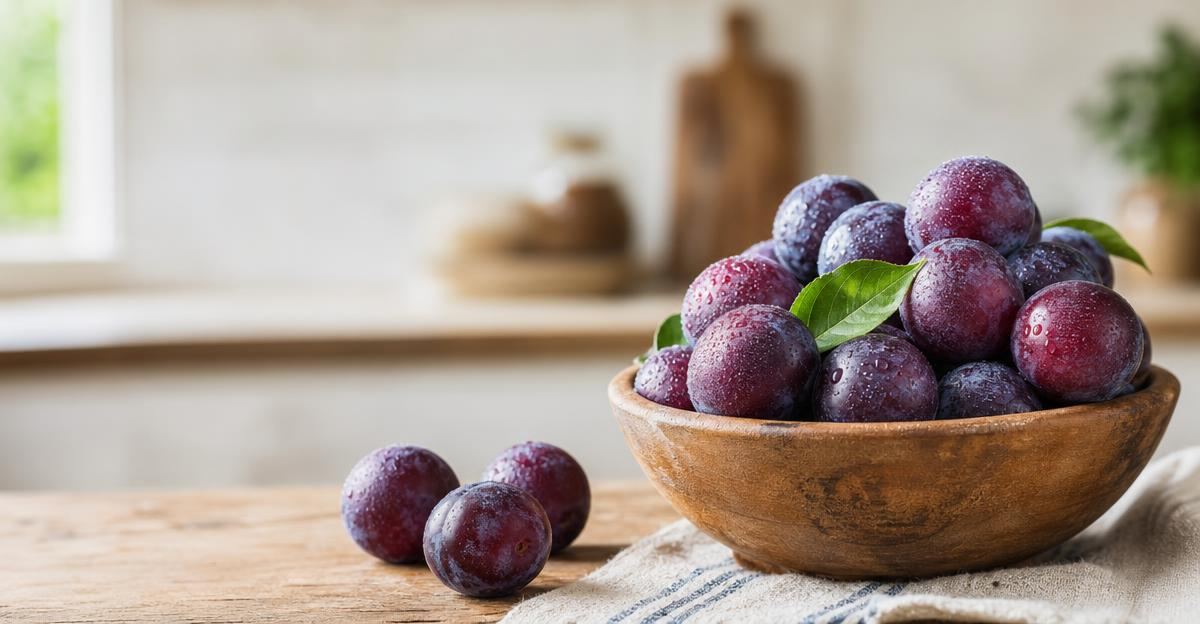
When you want something sweet that fits neatly into a daily nutrition budget, fresh fruit is often the easiest choice. Plums stand out because they offer rich flavor, high water content, and valuable micronutrients with very few calories. Whether you eat them fresh off the counter, slice them into morning oatmeal, or track them as an afternoon snack, understanding their energy density helps you log your meals accurately without unnecessary stress.
Here is a practical look at plum calories, their macronutrient profile, and how to fit fresh and dried varieties into your daily health routine.
How Many Calories Are in a Plum?
A standard, medium-sized fresh plum (about 2.5 inches in diameter, weighing roughly 66 grams) contains approximately 30 calories.
Because fruit sizes vary in the grocery store, it helps to understand how calories scale with weight:
- Small plum (approx. 55 grams): ~25 calories
- Medium plum (approx. 66 grams): ~30 calories
- Large plum (approx. 80 grams): ~37 calories
- 1 cup of sliced plums (approx. 165 grams): ~76 calories
According to the USDA FoodData Central plum profile, about 87% of a fresh plum's total weight comes from water. This high moisture content gives the fruit a low energy density, meaning you get a satisfying volume of food for very little caloric cost.
Macronutrients and Micronutrient Value
Beyond basic energy numbers, plums deliver a balanced mix of simple carbohydrates, fiber, and protective plant compounds.
A single medium plum provides:
- Carbohydrates: 7.5 grams
- Dietary fiber: 1.0 gram
- Natural sugars: 6.5 grams
- Protein: 0.5 grams
- Fat: 0.2 grams
Fiber and Satiety
While one gram of fiber per fruit may seem modest, eating two medium plums provides two grams of dietary fiber alongside nearly five fluid ounces of water. This combination slows digestion, helping to prevent sharp spikes in blood glucose while promoting steady fullness between meals.
Vitamins and Antioxidants
Plums are a natural source of vitamin C, vitamin K, and potassium. Their deep red, purple, and yellow pigments come from polyphenols, particularly anthocyanins. These compounds act as antioxidants, supporting cellular health and cardiovascular function as part of a varied, whole-food diet.
Fresh Plums vs. Dried Plums (Prunes)
It is easy to confuse fresh plums with prunes, but their calorie density is dramatically different. Prunes are dehydrated plums, meaning almost all water has been removed.
When you remove the water, the sugars and calories concentrate:
- 1 medium fresh plum (66g): ~30 calories, 6.5g sugar, 1g fiber
- 1 pitted prune (approx. 9.5g): ~23 calories, 3.6g sugar, 0.7g fiber
- 100 grams of fresh plums: ~46 calories
- 100 grams of prunes: ~240 calories
Prunes are nutrient-dense and offer well-documented digestive benefits, but their smaller volume makes it much easier to overconsume calories quickly. If you are managing your daily energy balance, weighing dried fruit on a food scale or counting individual pieces is essential. For fresh fruit, logging estimates or using photo meal logging vs manual entry gives you plenty of accuracy without turning snack time into a chore.
How to Fit Plums into Your Daily Nutrition Goals
Plums are naturally versatile and require zero prep work, making them an ideal staple for busy schedules. Here are a few simple ways to incorporate them into your daily targets:
1. Pair with Protein for Long-Lasting Energy
Eaten alone, fresh fruit digests relatively quickly. To turn a plum into a substantive snack that sustains your energy for hours, pair it with a source of protein and healthy fats. Sliced plums over half a cup of low-fat Greek yogurt or alongside a tablespoon of almond butter create a balanced mini-meal with sustained satiety.
2. Add Natural Sweetness to Savory Dishes
Plums have a natural acidity that complements savory proteins. Dice fresh plums with red onion, cilantro, and lime juice for a quick fruit salsa over grilled chicken or baked tofu. This adds bulk, flavor, and micronutrients without adding heavy sauces or added sugars.
3. Replace Processed Pre-Workout Snacks
If you need easily digestible carbohydrates 30 to 45 minutes before a workout, one or two medium plums offer quick glycogen replenishment without sitting heavily in your stomach.
Tracking Considerations and Portions
For most general wellness goals, you do not need to weigh fresh stone fruit down to the exact gram. Estimating a medium plum at 30 calories or a large one at 40 calories is close enough to keep your weekly averages reliable. Consistency across days matters far more than single-calorie precision on whole fruits.
If you have specific dietary considerations, such as managing carbohydrate intake for diabetes or navigating digestive sensitivities, speaking with a registered dietitian or your primary physician can help you set the right daily fruit targets. For older adults managing specialized medical care and dietary plans alongside their daily routines, exploring community resources like medical.life can provide useful support.
Making Daily Tracking Effortless
Fresh fruit is one of the simplest, most rewarding additions to a healthy diet. Tracking your intake should feel just as natural as grabbing a quick snack from the fruit bowl.
Stride helps you keep an eye on your nutrition, workouts, and weight trends in one seamless place. Whether you log your meals with a quick photo or check off your daily steps, Stride gives you the clear picture you need to reach your goals. Try Stride today to log your meals, workouts, and weight all in one place.
Put this into practice with Stride
Log meals, training, weight and sleep in seconds, then get guidance that fits your own numbers.
Try Stride free