

Photo Meal Logging vs. Manual Entry: Pros and Cons
Compare photo meal logging with manual entry. Discover the pros, cons, and best tracking method for your health goals, routine, and daily habits.
· 5 min read
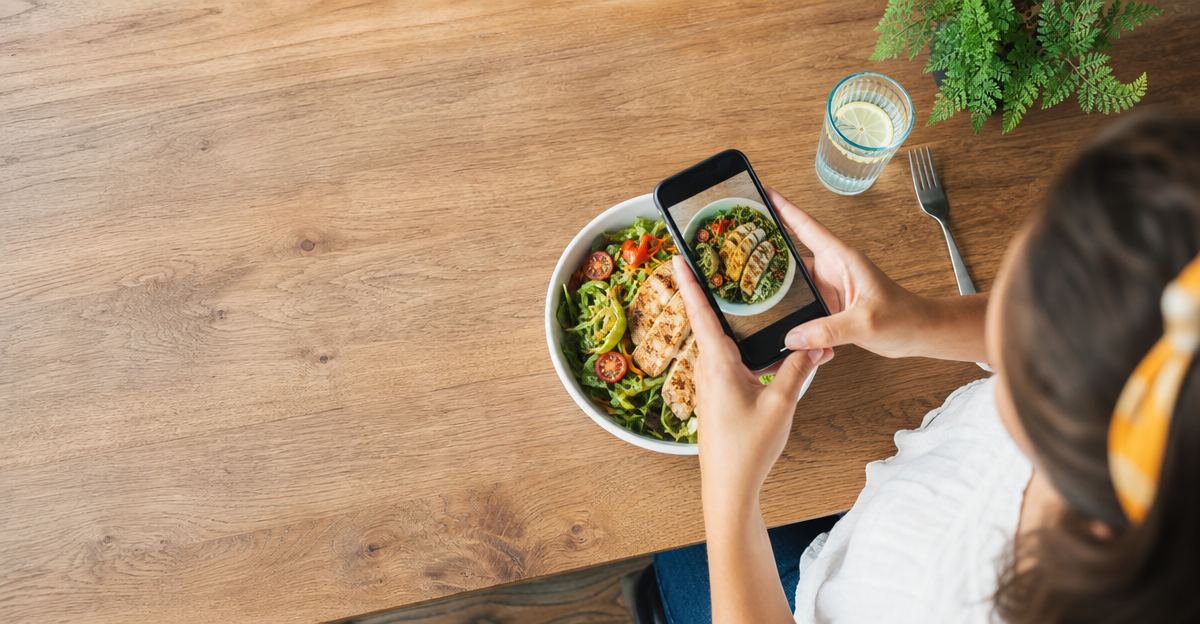
Tracking what you eat is one of the most effective ways to build awareness around your nutrition, energy levels, and daily habits. Yet for many people, the initial enthusiasm for food journaling fades within a couple of weeks. The reason usually comes down to friction: measuring cups, searching databases for the exact brand of olive oil, and typing in every single ingredient can feel like a second job.
Over the past few years, visual logging—snapping a quick photo of your plate—has become a popular alternative to traditional manual entry. Both approaches offer distinct advantages and drawbacks. Finding the right method comes down to your personal goals, your relationship with food, and how much time you want to spend logging each day.
Here is an honest breakdown of the pros and cons of photo meal logging versus manual data entry to help you decide which approach fits your routine in 2026.
The Case for Photo Meal Logging
Photo logging turns your camera into a visual food journal. Instead of weighing ingredients and searching a database before you take a bite, you simply take a photo of your plate and move on with your day.
The Pros
- Virtually zero friction: Taking a photo takes two seconds. Because the barrier to entry is so low, you are far more likely to stick with it over months rather than burning out after four days.
- Context and meal composition: A photo captures the entire context of your meal—portion size, color variety, vegetables, sauces, and plating. Nutrition researchers often emphasize dietary quality and variety, such as eating a wide spectrum of whole plant foods as outlined by the Harvard T.H. Chan School of Public Health. A visual roll of your meals shows patterns in balance that raw numbers easily hide.
- Mindful awareness without numbers: For many individuals, tracking exact calories or grams can trigger unnecessary anxiety or obsessive tendencies. Photos provide accountability and self-reflection without reducing food to arithmetic.
- Timestamps and routine tracking: Photos automatically record the time you eat. This helps you notice timing patterns, such as late-night snacking or irregular meal spacing, without extra typing.
The Cons
- Hidden ingredients remain invisible: A photograph cannot tell the difference between a salad dressed with one tablespoon of olive oil versus four, or whether a sauce contains added sugar.
- Less precision for strict targets: If you have an athletic goal requiring exact macronutrient ratios or specific protein targets, a photo alone requires estimation unless paired with intelligent recognition tools.
The Case for Manual Food Logging
Manual logging involves searching for food items in a digital database, choosing portion sizes, or weighing portions on a digital scale to log exact grams, calories, and macronutrients.
The Pros
- High numerical accuracy: When done carefully with a kitchen scale, manual entry gives you a clear picture of your energy intake and macronutrient split. This can be especially useful for short periods when preparing for a specific endurance event or dialing in a targeted protein intake.
- Granular micronutrient data: Manual entry tools often pull data from comprehensive databases, showing your intake of fiber, sodium, potassium, iron, and calcium.
- Portion distortion training: Most people underestimate portion sizes. Spending two weeks weighing food manually can be an eye-opening educational exercise that recalibrates your mental picture of a standard serving.
The Cons
- High logging fatigue: Searching through endless user-submitted database entries to find the right brand of bread takes mental energy. Over time, logging fatigue leads people to skip tracking untracked bites, snacks, or entire weekend meals.
- The illusion of precision: Even the most detailed database relies on average estimates from food composition tables. Restaurant meals and home cooking naturally vary from day to day, meaning manual tracking provides an educated estimate rather than exact laboratory data.
- Social friction: Measuring every component of a home-cooked dinner or logging at a restaurant table can pull you out of the moment and make shared meals feel clinical.
Which Approach Fits Your Health Goals?
Choosing between photos and manual entry is not an all-or-nothing decision. Your method should serve your life, not complicate it.
Choose Photo Logging If:
- You want to build sustainable, long-term awareness of your eating habits.
- You feel overwhelmed or stressed by counting calories and grams.
- You want to focus on food quality, meal timing, and adding more whole foods to your plate.
- You need a fast, reliable log that fits into a busy schedule without interrupting meals.
Choose Manual Entry If:
- You are managing a clinical condition under medical guidance that requires strict nutrient tracking (such as sodium management for kidney health or carbohydrate counting for insulin dosing). Please note that dietary changes for medical conditions should always be discussed with a qualified clinician or registered dietitian.
- You are training for a specific sport with rigid body composition or fueling targets.
- You want a temporary, two-week baseline check to understand where your calories and protein come from.
The Hybrid Approach: Combining Visual Ease with Smart Data
You do not have to choose strictly between effortless photos and useful nutritional data. Modern health tracking allows you to use photos as the primary input while technology analyzes the meal's components in the background.
Consistency is always what drives lasting results. Whether you are building a structured daily rhythm or learning why medication reminders meal prep matter when balancing wellness routines across a household, the simplest habit is usually the one that lasts. Snapping a photo captures your food in real time, keeping your focus on enjoying your meal while preserving a complete record of your day.
If you are ready to simplify your daily tracking without sacrificing insights, try Stride. Stride lets you log your meals directly from photos, track your workouts, and monitor your weight, steps, sleep, and medications—all in one quiet, easy-to-use space.
Put this into practice with Stride
Log meals, training, weight and sleep in seconds, then get guidance that fits your own numbers.
Try Stride free