
Nectarine Calories: Nutrition Facts and Tracking Guide
Learn the calories, macronutrients, and health benefits of nectarines, plus practical tips for tracking fresh fruit in your daily nutrition routine.
· 4 min read
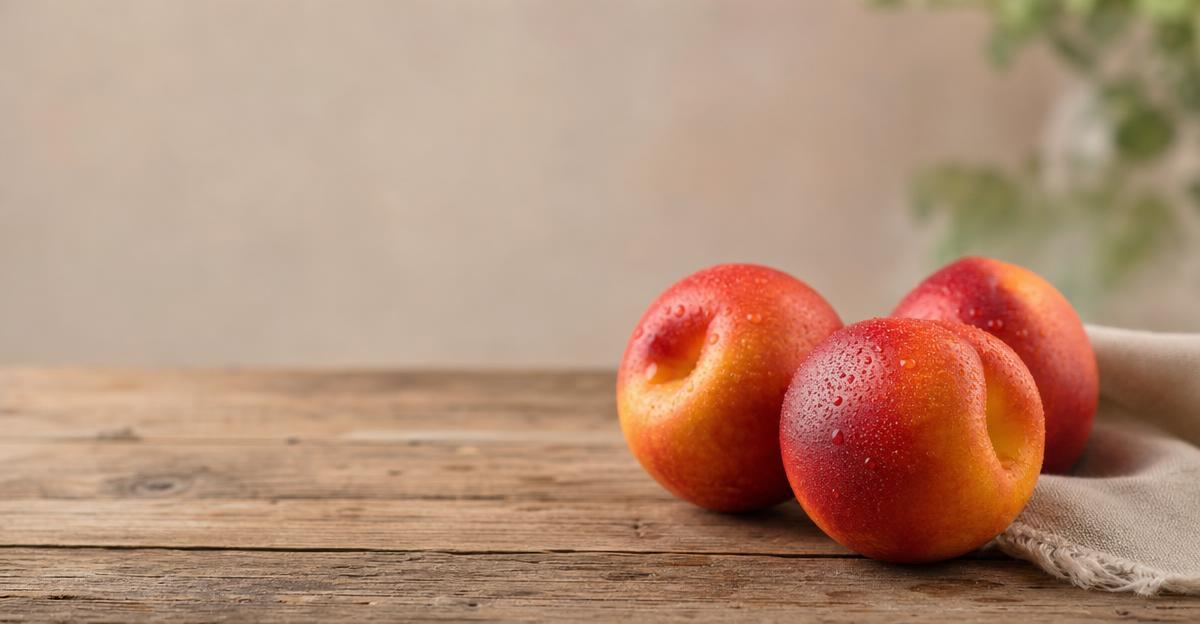
When you want something sweet that fits effortlessly into a daily nutrition plan, stone fruits are hard to beat. Among them, nectarines stand out for their smooth skin, bright flavor, and balanced nutrient profile. Whether you slice one over morning oatmeal or pack it as a grab-and-go afternoon snack, understanding how nectarine calories and macronutrients fit into your day makes steady nutritional tracking far simpler.
Nectarines deliver natural sweetness alongside fiber, water, and micronutrients. Here is what you need to know about the calories in a nectarine, its broader nutritional value, and practical ways to log whole fruit without overthinking your routine.
Nectarine Calories and Nutrition Breakdown
Fresh nectarines are nutrient-dense and relatively low in energy density because they consist largely of water. According to the USDA FoodData Central database, a medium raw nectarine weighing about 142 grams provides approximately:
- Calories: 62 kcal
- Protein: 1.5 g
- Fat: 0.5 g
- Carbohydrates: 15 g
- Dietary Fiber: 2.4 g
- Sugars: 11 g
If you enjoy a smaller fruit (around 120 grams), expect roughly 50 to 55 calories. A larger nectarine (around 150 grams) will sit closer to 65 to 70 calories. Sliced into a measuring cup, one cup of fresh nectarine pieces (about 143 grams) provides roughly 63 calories.
Beyond the baseline calorie count, nectarines offer valuable micronutrients. They provide modest amounts of vitamin C, vitamin A (primarily as beta-carotene), potassium, and lutein. Because you eat nectarines with the peel intact, you also retain the insoluble and soluble fiber concentrated in the skin.
Why Stone Fruit Fits Well in Calorie Tracking
Fresh fruit often gets caught in debates about natural sugar content. However, the matrix of whole fruit—where natural fructose is bound within dietary fiber and water—digests differently than refined sugars.
The fiber in a nectarine slows gastric emptying, providing a more gradual release of energy and helping you feel satisfied longer. At roughly 60 calories per piece, a medium nectarine satisfies a craving for sweetness with minimal impact on a daily calorie budget.
If you manage specific metabolic conditions or take medications that affect carbohydrate metabolism, this overview serves as general information, and you should always speak with a primary care clinician or registered dietitian about your specific dietary targets. If you coordinate care routines for an older family member who manages their daily meal balance alongside professional home support, resources like carenavigator.life can help clarify supportive care plans.
Practical Tips for Logging Nectarines
Tracking fresh produce does not need to become tedious. Here are three straightforward ways to log nectarines accurately without unnecessary friction:
1. Weigh Whole Fruit Once or Twice to Build an Eye
Produce varies in size. While grabbing a medium nectarine is usually close enough for daily maintenance, weighing a couple of fruits on a small kitchen scale helps you calibrate your portion awareness. Once you know what a 140-gram fruit looks like in your hand, you can confidently estimate size later.
2. Know When Exact Precision Matters
If you are in an aggressive fat-loss phase or tracking tightly for an athletic goal, logging exact gram weights helps ensure small margins do not slip through. If you are maintaining weight or building long-term dietary consistency, choosing a standard "medium nectarine" entry in your log is more than sufficient. For broader context on logging natural produce, you can read our guide on whether you should you track non-starchy vegetables and low-calorie plant foods.
3. Account for Added Ingredients
A fresh nectarine by itself is light, but culinary additions add up quickly. If you grill nectarine halves in butter, toss them into a summer salad with candied nuts and goat cheese, or blend them into a smoothie with yogurt and honey, make sure to log those complementary ingredients accurately.
Simple Ways to Enjoy Nectarines
If you want to incorporate more stone fruit into your routine, try these simple, balanced pairings:
- Paired with Protein: Slice a chilled nectarine over a cup of plain nonfat Greek yogurt or low-fat cottage cheese for a breakfast that balances protein, fiber, and carbohydrates.
- In Savory Salads: Add diced nectarines to mixed baby greens, grilled chicken breast, cucumbers, and a light balsamic vinaigrette.
- Warm Dessert: Halve a ripe nectarine, remove the pit, sprinkle lightly with cinnamon, and warm it in an air fryer or oven for 8 to 10 minutes until soft and caramelized.
Consistent nutrition tracking works best when it fits naturally around whole, enjoyable foods. Stride helps you capture meals with a quick photo, monitor workouts, log body weight, and track daily habits in one calm, integrated view. Try Stride to log meals, workouts, and weight in one place.
Put this into practice with Stride
Log meals, training, weight and sleep in seconds, then get guidance that fits your own numbers.
Try Stride free