
Mango Calories: Nutrition Facts and Tracking Tips
Understand mango calories, macro breakdown, and portion tips. Learn how fresh, frozen, and dried mango fit into your daily tracking routine.
· 4 min read
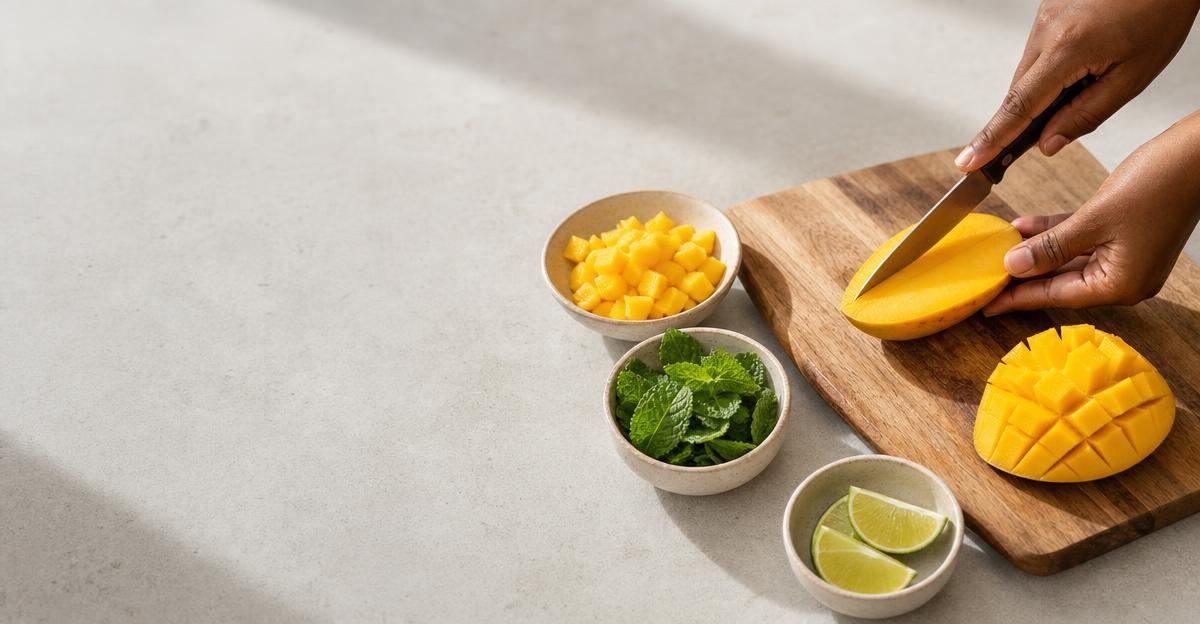
Sweet, vibrant, and incredibly versatile, mangoes often get labeled as a dessert fruit. If you are tracking your daily food intake, you might wonder whether including a sweet tropical fruit fits into your energy balance or blood sugar goals.
Understanding mango calories and their broader nutritional profile helps you enjoy this fruit without guessing its impact on your daily targets.
The Calorie and Macro Breakdown of Mangoes
Like most fresh fruit, mangoes are naturally high in water and carbohydrates, with negligible amounts of fat and protein. The exact calorie count depends on the serving size and how the fruit is prepared.
According to data from the USDA FoodData Central, a standard 1-cup serving of fresh diced mango (about 165 grams) provides:
- Calories: 99
- Carbohydrates: 25 grams
- Dietary Fiber: 2.6 grams
- Sugars: 22.5 grams
- Protein: 1.4 grams
- Fat: 0.6 grams
If you eat a whole medium-sized mango without the peel and seed (roughly 200 to 220 grams of edible fruit), you are looking at around 120 to 135 calories.
Fresh mango is also packed with micronutrients. A single cup delivers nearly 70% of your daily recommended intake of vitamin C, along with meaningful amounts of vitamin A, folate, and potassium.
Fresh, Frozen, and Dried: How Form Changes Density
When logging mangoes, the physical form matters significantly. Water content makes up about 83% of a fresh mango's weight, keeping its calorie density relatively low per gram. Once you alter that water content, the numbers shift.
- Frozen mango: Typically flash-frozen without added sugars, frozen chunks have an identical calorie profile to fresh fruit per gram. They are an easy addition to smoothies or post-workout bowls.
- Canned mango: Canned fruit often sits in light or heavy syrup. A cup packed in syrup can easily climb past 180 to 200 calories due to added refined sugars. If buying canned, look for fruit packed in 100% juice or water.
- Dried mango: Removing water concentrates the natural sugars and energy. A small 1/3-cup serving of dried mango (about 40 grams) contains roughly 130 to 140 calories. It is very easy to eat several servings of dried fruit quickly, so portion awareness is essential here.
If you are managing chronic health conditions alongside your nutrition habits, pairing dietary awareness with professional clinical oversight via carenavigator.life can help you coordinate long-term care plans.
Does the Sugar in Mango Matter for Weight Loss?
Mangoes contain natural fructose and glucose. Because they taste rich and sugary, some people worry they will spike blood sugar or stall fat loss.
For the vast majority of healthy adults, whole fruits do not hinder weight management. The natural sugars in fresh mango come bound within a cellular matrix of water and dietary fiber. This structure slows down digestion compared to liquid sugars or processed sweets, providing steady energy rather than a sharp spike and crash.
However, if you have specific metabolic goals or insulin sensitivity concerns, simple meal-pairing strategies can blunt any rapid glucose response:
- Pair with a protein or fat: Enjoy diced mango on top of plain Greek yogurt, cottage cheese, or mixed into a chia seed pudding.
- Use it in savory dishes: Combine diced mango with red onion, cilantro, lime juice, and jalapeño for a fresh salsa served over grilled chicken or white fish.
- Time it around activity: Having fruit 30 to 60 minutes before training offers quick-digesting fuel for your muscles, or enjoy it right after a workout to help restore glycogen stores.
If you ever find yourself eating on the go or dining out, learning how to estimate portions at restaurants without a scale can keep your tropical fruit and side dish tracking accurate without unnecessary stress.
Practical Tips for Logging Mangoes
To log mango accurately without turning kitchen prep into a chore, keep these quick tips in mind:
- Weigh the edible portion: If using a digital food scale, weigh the fruit after removing the thick skin and inner pit.
- Use visual volume cues: One cup of chopped mango is roughly the size of a standard baseball or your closed fist.
- Watch smoothie additions: Blending makes it easy to consume multiple servings of fruit without feeling full. If you blend two full mangoes into a morning drink, you are adding roughly 250 to 270 calories of fruit carbohydrates to your total.
Note that this information is general nutrition guidance. If you manage diabetes or another metabolic condition, speak to a clinician or registered dietitian to tailor your fruit intake to your personal medical needs.
Keep your daily nutrition, workouts, and wellness habits clear and organized. Try Stride to log meals, workouts, and weight in one simple place.
Put this into practice with Stride
Log meals, training, weight and sleep in seconds, then get guidance that fits your own numbers.
Try Stride free