

How to Estimate Portions at Restaurants Without a Scale
Learn how to accurately estimate restaurant portions without a food scale using hand benchmarks, visual guides, and smart ordering strategies.
· 4 min read
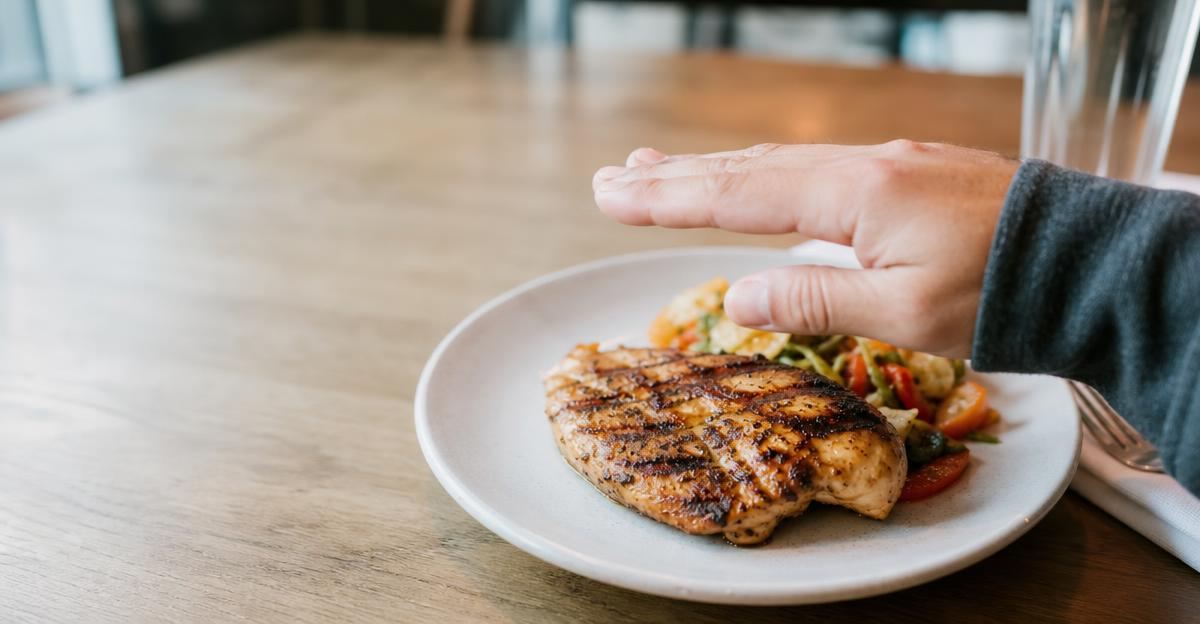
Eating out should be enjoyable, but if you track your meals to support specific health, weight, or fitness goals, restaurant menus can feel like a guessing game. Commercial kitchens prepare food very differently from home kitchens, often using generous amounts of butter, oil, and sauces to maximize flavor. Bringing a digital food scale to a restaurant table is rarely practical or comfortable.
Fortunately, you do not need laboratory precision to keep your health goals moving forward. With a few dependable visual benchmarks and practical ordering habits, you can estimate portion sizes with enough accuracy to stay consistent.
The Hand Benchmark for Quick Estimation
Your hand is a built-in measurement tool that goes everywhere with you. Because hand size generally scales with body size, it serves as a personalized visual guide for estimating volume and weight on your plate:
- Palm (excluding fingers): Equivalent to roughly 3 to 4 ounces of cooked dense protein, such as chicken breast, steak, pork loin, or salmon fillet.
- Cupped hand: Represents about one-half cup of cooked grains, beans, pasta, or starchy sides like mashed potatoes.
- Fist: Measures roughly one cup of raw vegetables, leafy greens, fresh fruit, or soups.
- Thumb (tip to base): Approximates one tablespoon of fats and dressings, including olive oil, butter, mayonnaise, and nut butters.
- Thumb tip (first joint to tip): Equals roughly one teaspoon of concentrated condiments, oil, or sugar.
When your entrée arrives, spend five seconds visually scanning the plate against these reference points before taking your first bite. If you are comparing methods for capturing this information on the go, photo meal logging vs. manual entry can help you decide whether snapping a quick picture or keying in items works best for your routine.
Everyday Objects as Size Guides
If hand estimates feel tricky, everyday household items provide another clear mental benchmark for restaurant portions:
- A deck of playing cards: Matches a standard 3-ounce serving of cooked meat or poultry.
- A baseball or tennis ball: Equals roughly one cup or one medium-sized baked potato or whole fruit.
- A standard light bulb: Represents about one-half cup of cooked pasta or rice.
- A golf ball: Measures approximately two tablespoons, useful for salad dressings, dips, and hummus.
- A pair of dice: Reflects about one ounce of hard cheese.
According to the Dietary Guidelines for Americans, understanding standard portion sizes helps bridge the gap between what we intend to eat and what commercial portions actually deliver. Standard restaurant servings of pasta, rice, and steak are often two to three times the standard reference amount, so identifying that difference visually is a powerful skill.
Accounting for Hidden Cooking Fats
The biggest discrepancy between home cooking and restaurant dining is hidden fat. Chefs routinely use multiple tablespoons of butter, cooking oil, and rich finishing sauces to enhance texture and sheen. Even a seemingly simple grilled chicken breast or steamed vegetable medley may carry an extra 100 to 200 calories in cooking fat.
To capture restaurant meals accurately in your log, apply a simple rule of thumb: add one tablespoon of oil or butter to your entry for grilled or sautéed dishes, and two tablespoons for dishes described as crispy, glazed, braised, or pan-fried.
You can also make estimating easier before the food arrives by asking for sauces and dressings on the side, or requesting that your protein and vegetables be prepared with minimal oil. Just as families navigating senior care learn how to get excellent value without sacrificing quality, you can protect your nutritional goals at restaurants without sacrificing the enjoyment of a great meal.
Manage the "Plate Illusion"
Modern restaurant dinner plates are often 11 to 13 inches in diameter. On a large plate, a standard portion of rice or protein can look deceptively small, tempting you to eat more. Conversely, small bowls piled high can make modest portions look substantial.
When your food arrives, try mentally separating your plate into zones before you start eating:
- Half the plate dedicated to non-starchy vegetables or salad.
- One quarter dedicated to lean protein.
- One quarter dedicated to complex carbohydrates or grains.
If the restaurant serves a massive portion—as many family-style or casual dining establishments do—ask for a to-go box immediately. Boxing half the meal before you take your first bite removes visual temptation and turns one meal into two balanced options.
Consistency Over Perfection
Estimating restaurant meals will never be 100% exact, and it does not need to be. Nutrition tracking is about spotting long-term trends and building awareness, not achieving mathematical perfection at every sitting. If you over- or underestimate by a small margin occasionally, your weekly averages will still guide you reliably toward your goals.
*Please note: This article provides general educational information and is not medical advice. If you have specific dietary needs related to a health condition, consult a registered dietitian or licensed healthcare provider.*
If you want a straightforward way to keep your routine on track, try Stride to log meals, workouts, and weight in one convenient place.
Put this into practice with Stride
Log meals, training, weight and sleep in seconds, then get guidance that fits your own numbers.
Try Stride free