
How to Track High-Volume Low-Calorie Foods for Satiety
Learn how to track high-volume, low-calorie foods for lasting satiety without logging fatigue. Practical tips for accurate, stress-free meal tracking.
· 4 min read
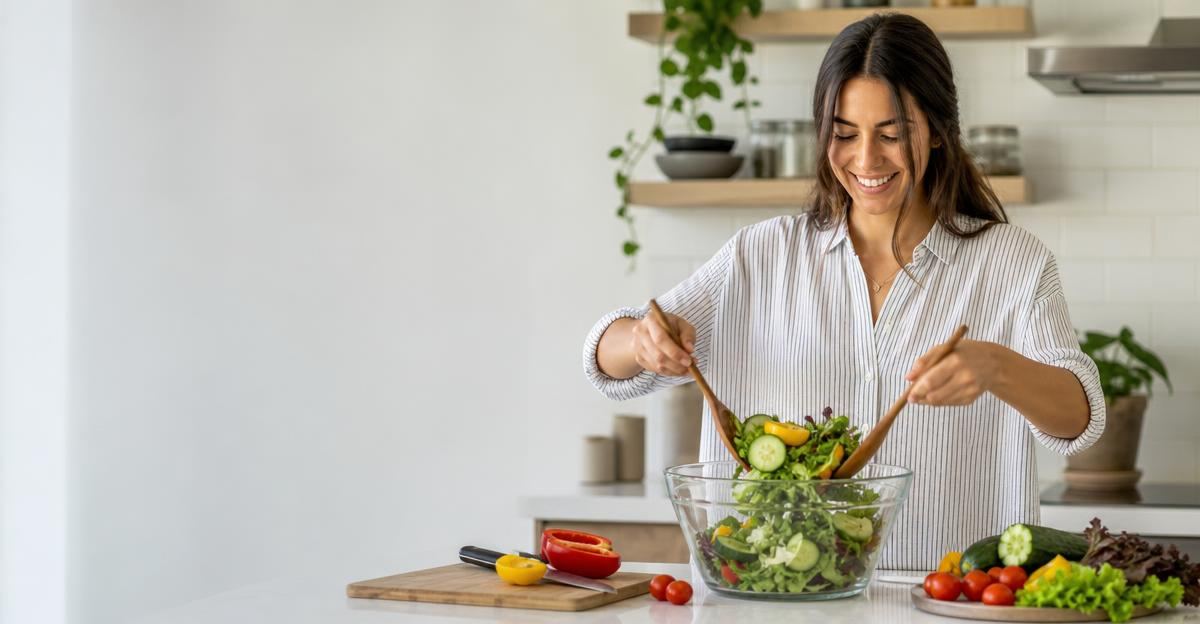
When you are managing your weight or trying to eat in a calorie deficit, physical hunger can become a major friction point. One of the most effective nutritional strategies for managing hunger is volume eating: prioritizing foods that have high water and fiber content but relatively few calories per gram.
Filling your plate with roasted zucchini, crisp romaine, cauliflower rice, and fresh berries allows you to eat substantial portions that trigger mechanical fullness signals without overshooting your energy budget. However, logging these meals often brings practical questions. Should you measure every cup of spinach? Do you need to log raw versus cooked weight? And how do you keep tracking simple enough that you stick with it?
Understanding how to track high-volume, low-energy-density foods efficiently makes the difference between sustainable progress and food-logging burnout.
Why Food Volume Matters for Satiety
Your stomach detects fullness largely through physical stretch receptors. When you consume a meal with high physical bulk, the stomach walls expand, signaling your brain that you have eaten enough. According to research on energy density and weight management, eating lower-energy-density foods allows people to consume satisfying portions while naturally reducing total caloric intake.
Water and dietary fiber provide weight and volume without adding dense caloric energy. Fat contains nine calories per gram, carbohydrates and protein contain four, while water contains zero. When you build meals centered on produce, lean broths, and high-moisture proteins, you get the psychological satisfaction of a full plate and the physiological benefit of prolonged fullness.
The Common Pitfalls of Tracking High-Volume Foods
While high-volume eating makes calorie management easier on your appetite, tracking it can sometimes introduce friction:
- Logging fatigue from tiny items: Weighing two cups of chopped cucumber, three radish slices, and a handful of mixed greens separately takes time and can feel tedious.
- Hidden additions: While vegetables and fruits are low in calories, the cooking oils, dressings, nut butters, and sauces added to make them palatable are dense with energy.
- Cooked versus raw discrepancies: High-volume vegetables lose substantial water when cooked. A pound of raw spinach easily cooks down to half a cup, which can cause confusion if you log the cooked volume against raw database entries.
If you find yourself spending fifteen minutes logging a single lunch salad, it helps to revisit should you track non-starchy vegetables to decide where precise measurements matter most and where rough estimates are fine.
A Practical Hierarchy for Tracking Volume Foods
To track consistently without unnecessary stress, divide your volume meals into categories based on calorie density and error tolerance.
1. High-Precision Tracking: The Dressings and Fats
Cooking oils, butter, salad dressings, seeds, and nuts carry significant calorie density. A single unmeasured tablespoon of olive oil adds around 120 calories. Always measure or weigh these additions carefully using a digital kitchen scale or standard measuring spoons.
2. Moderate-Precision Tracking: Fruits and Starchy Produce
Produce with moderate sugar or starch content—such as bananas, sweet potatoes, corn, green peas, and grapes—should be logged with reasonable accuracy. A medium banana or a measured cup of blueberries will keep your daily totals aligned without requiring surgical precision.
3. Low-Precision Tracking: Non-Starchy Vegetables
Leafy greens, celery, cucumbers, zucchini, mushrooms, and bell peppers carry very few calories per serving. For these foods, standard visual estimates or general cup measurements are usually more than sufficient. Unless you are preparing for a competitive physique event, weighing every leaf of arugula offers little practical benefit.
For individuals managing complex dietary routines or receiving household care, balancing nutrition details with ease of execution is a core focus; resources like What High Discretion Families Expect In 2026 highlight how modern wellness and caregiving prioritize seamless, low-friction daily systems.
Strategies to Streamline Daily Logging
Tracking high-volume meals should support your life, not complicate it. Use these simple habits to keep your logs accurate and fast:
- Weigh the Cooking Pan Before and After: When roasting a large tray of mixed vegetables in olive oil, weigh your oil once, log the total batch, and estimate your portion as a fraction of the pan.
- Create Saved Meal Templates: If you regularly build a large dinner salad using mixed greens, cherry tomatoes, and a standard vinaigrette, save it as a custom recipe in your tracker. You can then log the entire bowl with a single tap.
- Photograph Your Meals for Faster Capture: Instead of searching for multiple produce items individually, photo-based meal logging allows you to capture whole plates instantly, automatically identifying the volume vegetables and calling out visible dressings.
Listen to Your Digestion
Increasing your vegetable and fiber volume quickly can sometimes cause digestive discomfort, bloating, or temporary water retention. If you are shifting to high-volume eating, increase your fiber intake gradually and drink adequate water throughout the day.
*Note: This information is for general educational purposes. If you have specific gastrointestinal conditions, kidney disease, or specialized dietary requirements, speak with a registered dietitian or clinical physician before significantly altering your fiber or fluid intake.*
Building a sustainable way of eating is about feeling satisfied, staying energized, and keeping your daily routines manageable. Tracking high-volume foods should give you confidence in your nutrition without consuming your time.
Ready to simplify your daily routine? Try Stride to log meals, workouts, and weight in one place.
Put this into practice with Stride
Log meals, training, weight and sleep in seconds, then get guidance that fits your own numbers.
Try Stride free