
How to Log Shared Cooking When Others Don't Track
Learn practical, stress-free ways to log shared home-cooked meals when your partner, family, or roommates do not track nutrition.
· 4 min read
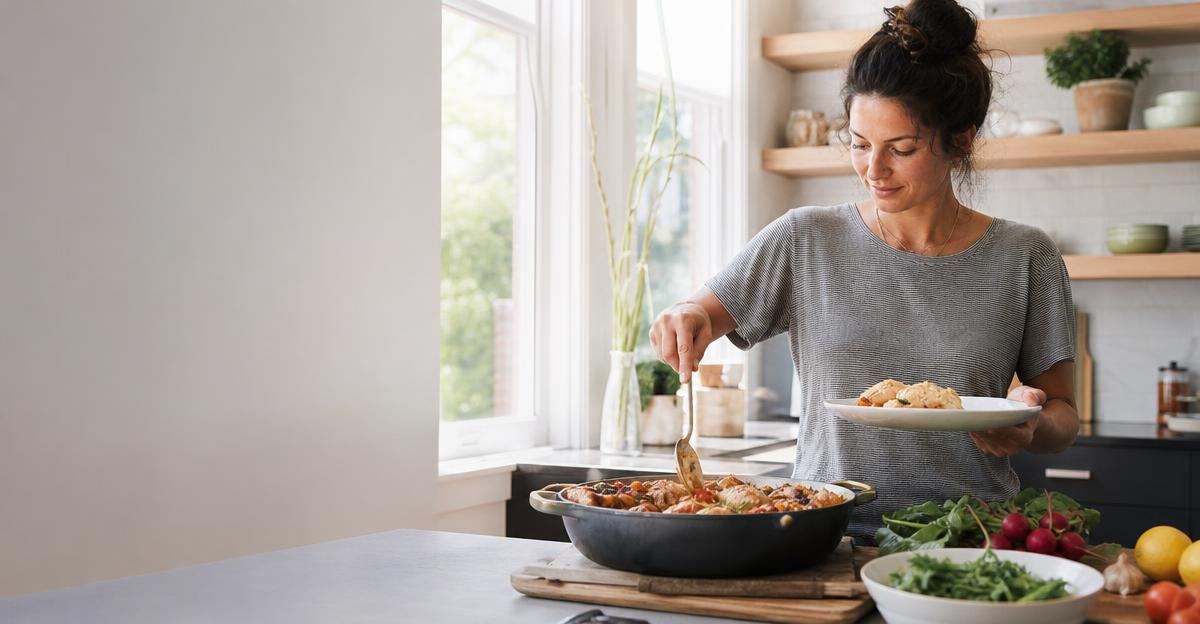
Sharing home-cooked meals with family, partners, or roommates is one of life’s simple pleasures, but it can quickly complicate nutrition tracking. When you are the only person at the table paying attention to macros or portion sizes, pulling out a digital scale to weigh every single clove of garlic, splash of olive oil, and cut of meat can feel disruptive.
The good news is that you do not need your entire household to participate in your tracking routine for you to stay consistent. With a few practical estimation techniques and a flexible mindset, you can accurately log shared meals without turning dinnertime into a math problem.
Focus on the Calorie Drivers
When someone else cooks—or when you cook together without measuring—most of the nutritional variance comes from a handful of ingredients. Vegetables, herbs, seasonings, and broth contribute minimal energy, whereas fats, starches, and protein cuts carry the bulk of the calories.
Instead of trying to account for every pinch of salt or chopped onion, focus your attention on the primary components:
- Cooking fats: Ask or observe what oil or butter went into the pan. A single tablespoon of cooking oil adds roughly 120 calories.
- Primary protein source: Note whether the cut of meat was lean or fatty (such as chicken breast versus skin-on chicken thighs, or 90/10 beef versus 80/20 beef).
- Carbohydrate bases: Keep an eye on how much pasta, rice, or potato base was used relative to the overall dish.
By understanding the major drivers, you can use methods like how to estimate portions at restaurants without a scale to approximate the final dish on your plate.
The Recipe Fraction Method
If you or your partner prepare batch dishes like soups, casseroles, or stir-fries, the recipe fraction method offers an easy compromise between accuracy and ease.
You do not need to weigh the final cooked batch to get a reasonable estimate. Instead, quickly note the raw amounts of the major ingredients before cooking begins:
- Count the big items: For example, 1.5 pounds of ground turkey, 2 cans of black beans, 1 jar of marinara sauce, and 2 tablespoons of olive oil.
- Estimate your share: When the meal is served, visually divide the pan into approximate portions. If you eat roughly a quarter of the skillet, log one-quarter of the total raw ingredients.
This approach keeps dinner relaxed while capturing the vast majority of the dish's nutritional content. If your loved ones enjoy spending time in the kitchen together, treating cooking as a collaborative activity helps keep mealtimes enjoyable. Activities like cooking together can be wonderful for building connection through shared hobbies while still supporting individual lifestyle goals.
Handling Meals Cooked Entirely by Someone Else
When someone else prepares a meal entirely, interrogating them about every teaspoon of butter can create unnecessary friction. In these situations, broad estimates are your best tool.
The most effective strategy is the "deconstructed plate" method:
- Estimate the protein: Look at the palm of your hand as a rough guide for a 3 to 4-ounce serving of cooked poultry, fish, or meat.
- Estimate the starches: A cupped hand represents roughly a half-cup to three-quarters cup of cooked rice, grains, or mashed potatoes.
- Add a buffer for cooking fat: Assume restaurant-style cooking by automatically adding one tablespoon of olive oil or butter to your log. Home cooks who do not track rarely measure cooking oil, and free-pouring from a bottle often adds 100 to 200 unmeasured calories.
If you are unsure of the baseline nutritional values for common cuts of meat or staple ingredients, you can cross-reference the USDA FoodData Central database to see typical energy densities for standard portion sizes.
Build Standard "House Meals" in Your Tracker
Most households rotate through a predictable lineup of 10 to 15 regular meals. Tacos, pasta night, grilled chicken with roasted vegetables, and simple stir-fries tend to show up week after week.
Once you have estimated a shared meal a couple of times, save it as a custom recipe or reusable meal in your tracker. You might create an entry named "Family Spaghetti Night" or "Partner’s Chicken Curry" with your typical estimated portion.
Even if the real-life dish varies slightly from week to week—sometimes with a bit more sauce, sometimes with slightly leaner meat—the law of averages will keep your weekly trends reliable. Tracking is about consistency over time, not laboratory perfection in a single meal.
Keep Tracking in Perspective
Nutritional tracking is a personal tool to help you reach your individual health and fitness goals. It is not an exact science, and standard nutrition labels already have an allowable margin of error under regulatory guidelines. A minor variation of 50 or 100 calories in a home-cooked dinner will not derail your long-term progress as long as your overall habits remain steady.
Please remember that this article provides general educational information and is not personal dietary or medical advice. Speak with a registered dietitian or healthcare provider before making significant changes to your nutrition plan.
To make logging shared meals seamless without disrupting dinner, try Stride to log meals, workouts, and weight in one place.
Put this into practice with Stride
Log meals, training, weight and sleep in seconds, then get guidance that fits your own numbers.
Try Stride free