
How to Increase Daily Fiber Without Digestive Discomfort
Learn how to increase your daily fiber intake steadily without bloating or digestive discomfort, with simple food swaps and hydration tips.
· 4 min read
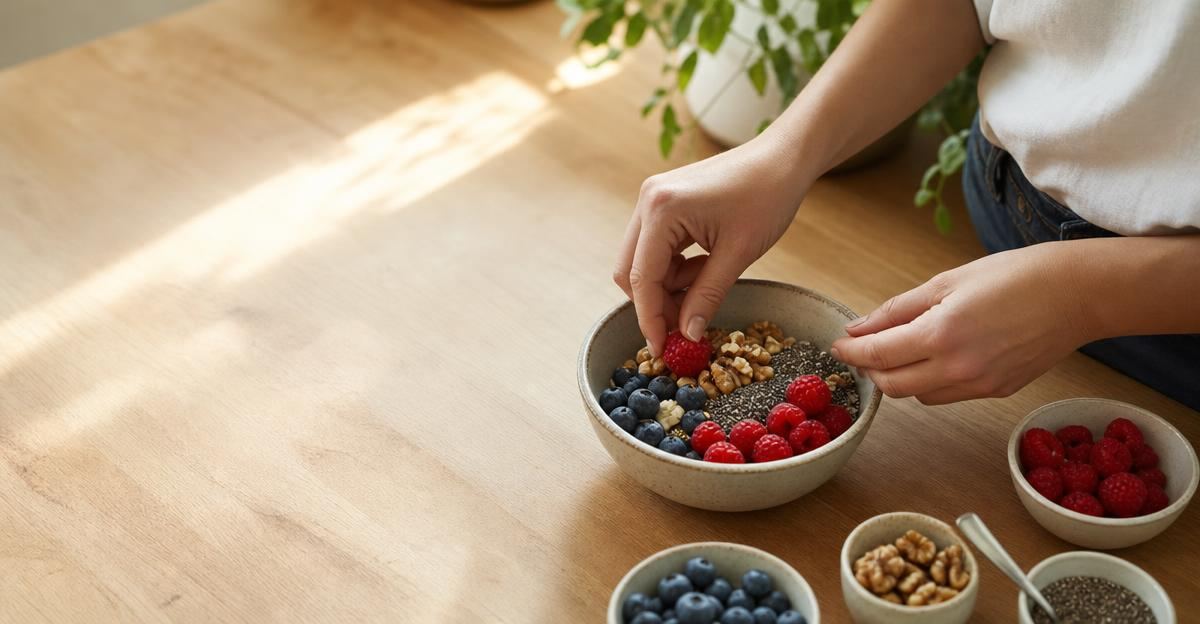
When people decide to improve their nutrition, dietary fiber is usually near the top of the list. Fiber supports steady energy, aids cardiovascular health, and plays a major role in keeping your digestive tract running smoothly. Yet, jumping straight into a high-fiber routine often brings an unwelcome surprise: bloating, abdominal cramping, and sluggish digestion.
If you have ever tried overhauling your plate overnight only to feel uncomfortable for days, your body was not failing. It was simply adjusting too fast. Raising your daily fiber intake works best as a steady, stepped process rather than an overnight transformation.
Please keep in mind that this article provides general nutrition information. If you have underlying gastrointestinal conditions or persistent digestive discomfort, speak with a registered dietitian or your healthcare clinician.
Soluble vs. Insoluble Fiber: Why the Balance Matters
Fiber is not a single compound. Plant foods contain different types of fiber, primarily categorized into soluble and insoluble varieties, and they behave quite differently inside your digestive system.
Soluble fiber dissolves in water to create a gel-like consistency in the gut. It slows down digestion, which helps temper post-meal blood sugar spikes and supports healthy cholesterol levels. Foods rich in soluble fiber include oats, barley, chia seeds, black beans, and peeled apples.
Insoluble fiber does not dissolve in water. Instead, it adds bulk to your stool and helps food pass more quickly through the stomach and intestines. You will find it in whole-wheat flour, wheat bran, nuts, cauliflower, and the skins of vegetables and fruits.
If you struggle to log these items consistently, you might wonder should you track non-starchy vegetables alongside your denser carbohydrate sources. Capturing a clear picture of what you eat helps you identify whether your plate leans heavily toward one fiber type over another. Balancing both types prevents stool from becoming either too loose or too dense.
The Stepped Approach: How to Increase Intake Gradually
The gut microbiome consists of trillions of microorganisms that ferment undigested carbohydrates. When you suddenly introduce a massive amount of fiber, these microbes produce gas faster than your system can comfortably release or absorb it.
To avoid this, aim for an incremental approach:
- Assess your baseline: Track your typical intake for three to four days without changing anything.
- Add in small steps: Increase your intake by 3 to 5 grams per day for an entire week before adding more.
- Distribute across meals: Avoid eating half of your daily target in one giant dinner salad. Spread fiber evenly across breakfast, lunch, dinner, and snacks.
- Give your microbiome time: It often takes several weeks for gut bacteria populations to shift and process higher volumes of fiber smoothly.
According to the official Dietary Guidelines for Americans, adults should aim for roughly 14 grams of fiber for every 1,000 calories consumed, yet the majority of people fall well short of this target. Reaching that goal comfortably is a marathon, not a sprint.
The Vital Role of Hydration
Fiber acts like a sponge in your digestive tract. Soluble fiber absorbs water to form a soft gel, while insoluble fiber requires adequate moisture to move smoothly through the colon.
If you dramatically increase your fiber intake without drinking enough water, that sponge dries out. The result is often firm, difficult-to-pass stool and worsening constipation. As you add more lentils, berries, or whole grains to your day, keep a water bottle nearby and sip consistently throughout the day.
If you are managing other routines alongside your nutritional goals, coordinating your habits through carenavigator.life or your personal tracking routine can help you stay consistent with hydration and meal planning.
Simple Daily Swaps That Go Down Easy
You do not need specialized powders or aggressive dietary shifts to reach healthy targets. Small, familiar swaps add up quickly without overwhelming your gut:
- Morning oatmeal: Stir a tablespoon of ground flaxseed or chia seeds into your oats for an extra 2 to 3 grams of gentle, soluble fiber.
- Lentil or bean additions: Add a quarter-cup of rinsed canned lentils or chickpeas to a familiar soup, grain bowl, or pasta sauce rather than eating an entire bowl of beans at once.
- Leave the skin on: When eating potatoes, carrots, or apples, wash them thoroughly and leave the edible skins intact.
- Upgrade your grains: Swap refined white rice for brown rice, quinoa, or farro once or twice a week to start.
- Snack on berries: Raspberries and blackberries pack significant fiber per cup compared to many other fruits, while remaining gentle on the stomach.
Tracking Your Intake Without Stress
Trying to mentally calculate grams of fiber at every meal creates unnecessary friction. Taking photos of your meals or quickly checking your daily totals gives you the feedback you need to spot trends, see which meals leave you feeling energized, and identify which ones cause bloating.
If you want a simple way to monitor your progress, try Stride to log meals, workouts and weight in one place. Capturing your food with a photo helps you build sustainable habits at a pace your digestion can handle.
Put this into practice with Stride
Log meals, training, weight and sleep in seconds, then get guidance that fits your own numbers.
Try Stride free