
How to Accurately Log Deep-Fried and Battered Foods
Learn how to accurately estimate and log deep-fried, breaded, and battered foods to keep your daily nutrition and calorie tracking on target.
· 4 min read
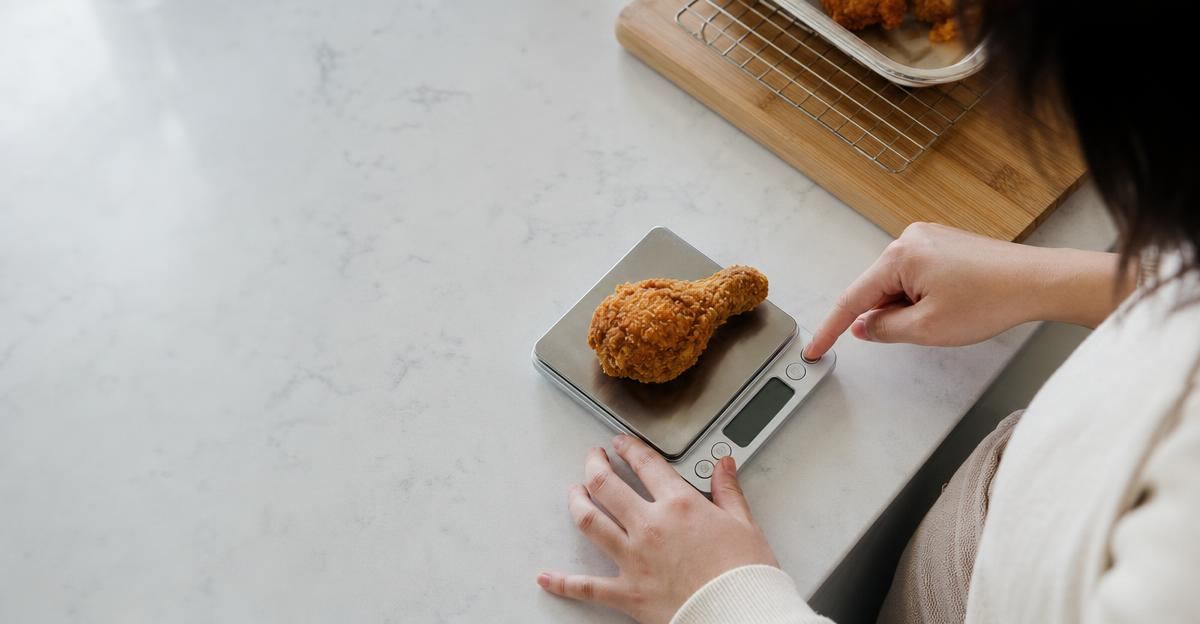
Fried chicken, tempura vegetables, and battered fish are staples across countless cuisines, but they represent one of the trickiest categories in nutrition tracking. When an ingredient is submerged in hot oil, its structure changes. Water evaporates, starch absorbs fat, and the finished weight reflects both the base food and the cooking medium.
Logging these meals does not require guesswork or giving up on fried dishes entirely. By understanding how oil absorption works and using practical estimation techniques, you can capture your intake accurately and keep moving toward your goals.
The Chemistry of Deep-Frying: Oil and Batter
To log fried foods accurately, it helps to understand what happens in the fryer. When battered food hits hot cooking oil, the surface moisture instantly turns to steam. This steam pushes outward, which creates a barrier that prevents excess oil from soaking directly into the interior. As the steam escapes, the batter crisps up.
Most of the fat absorption happens on the outer coating. A thick, flour-heavy batter retains significantly more oil than a light cornstarch dusting or an unbattered piece of meat. According to standard FoodData Central nutrition profiles, an unbreaded skinless chicken breast contains negligible fat, while a breaded and fried cutlet can contain three to four times the calories and up to 15 to 20 grams of added fat per serving.
If you are managing specific metabolic goals or heart health considerations, remember that general nutrition information should support, not replace, personalized guidance from your clinician or a registered dietitian through carenavigator.life or your local health network.
Three Ways to Accurately Log Fried Foods
Depending on whether you are eating at home, ordering takeout, or dining at a restaurant, you can use one of three straightforward methods to record your meal.
1. The Pre- and Post-Oil Method (Best for Home Cooking)
When preparing fried foods at home, you have complete control over measurements. You can calculate the exact oil absorbed with a simple measuring technique:
- Measure the total oil you pour into your pan or deep fryer (for example, 2 cups or 400 grams).
- Cook your meal.
- Allow the remaining oil in the pan to cool completely, then measure what is left.
- Subtract the remaining volume from the starting volume to determine exactly how much oil was absorbed across the entire batch, then divide by your portion size.
This method removes all guesswork. If you started with 400 grams of oil and have 360 grams left after frying four fish fillets, you know each fillet absorbed roughly 10 grams (about 90 calories) of cooking oil.
2. The Deconstruction Method (Best for Takeout and Diners)
When you order fried food from a local spot that does not publish nutritional data, break the item down into its core components.
Log the base ingredient first (such as 6 ounces of cod, 8 ounces of chicken thigh, or 1 cup of sliced zucchini). Then, add a line item for the coating. As a reliable rule of thumb:
- Light flour dusting or naked fry: Add 1 teaspoon (about 4.5 grams) of vegetable oil per serving.
- Standard breadcrumb or flour coating: Add 1 to 1.5 tablespoons of refined flour and 1 tablespoon (about 14 grams) of cooking oil.
- Thick, wet batter (beer batter or tempura): Add 2 to 3 tablespoons of starch and 1.5 to 2 tablespoons of oil.
If you are eating out and cannot weigh individual components, you can use simple hand measurements to check your serving sizes. Learning how to estimate portions at restaurants without a scale ensures your base protein or carbohydrate entry is grounded before you layer on the oil estimate.
3. The Matched Commercial Entry (Fastest for Chain Restaurants)
Many regional and national restaurants publish lab-tested nutrition data for items like french fries, onion rings, and fried tenders. If you are eating at an independent restaurant, search for the identical item from a major chain with a similar preparation style.
A medium order of hand-cut french fries from an independent pub will have a nutritional profile very close to an equal-weight portion from an established chain. Choosing a well-verified commercial entry is far more accurate than selecting a generic "homemade french fry" entry that might underestimate oil retention.
Common Traps When Logging Fried Meals
A few subtle details can throw off your daily numbers if you are not watching for them:
- Sauces and Dips: Creamy dipping sauces (tartar sauce, ranch, spicy mayo) often carry as many calories as the fried coating itself. A 2-ounce ramekin of tartar sauce can easily add 150 to 200 calories. Log dips separately.
- Oil Left on the Plate: If you drain your fried food thoroughly on wire racks or paper towels, you reduce the surface oil. You do not need to discount this from your log, but avoid adding extra butter or oil garnishes unless they were actually consumed.
- Surface Area Ratios: Small, finely cut items (like skinny shoestring fries, popcorn shrimp, or calamari rings) have far more surface area per ounce than large items like a whole chicken breast. High surface area means higher oil absorption relative to total weight.
Keep It Practical
Tracking nutrition should provide clarity, not stress. You do not need to avoid battered or crispy foods to maintain progress, nor do you need to calculate every drop of oil down to the milligram. Consistent, thoughtful estimates will keep your weekly trends accurate and actionable.
To take the friction out of daily tracking, try Stride to log meals, workouts, and weight in one place. Stride lets you snap a photo of your meal for instant estimates or fine-tune ingredients whenever you want complete control.
Put this into practice with Stride
Log meals, training, weight and sleep in seconds, then get guidance that fits your own numbers.
Try Stride free