
How Accurate Are AI Calorie Counter Apps?
Discover how accurate AI calorie counter apps are, where computer vision excels, hidden factors to watch for, and how to get better estimates.
· 3 min read
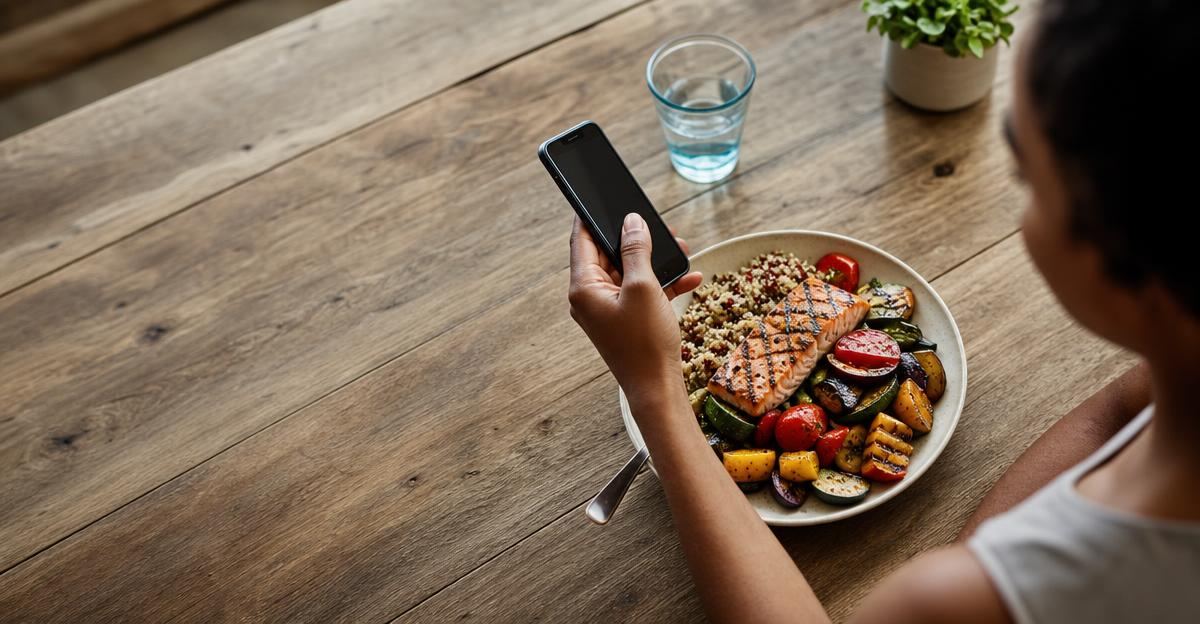
Logging what you eat used to mean carrying a digital kitchen scale, scanning barcodes, or searching databases for individual recipe ingredients. Today, computer vision and machine learning allow you to snap a picture of a plate and receive an instant estimate of calories and macronutrients.
This speed makes tracking far more sustainable. Still, many people wonder whether computer vision can match the precision of manual measuring. Understanding how these tools work, where their limits lie, and how to use them effectively can help you reach your goals without unnecessary stress.
How Vision Models Estimate Meals
When you take a picture of food, an artificial intelligence model analyzes the image through several distinct steps:
- Object segmentation: The system separates the image into individual items, identifying a grilled chicken breast, a scoop of brown rice, and a side of broccoli.
- Classification: It compares visual features against extensive food libraries to classify specific preparations, such as whether a potato is baked, roasted, or mashed.
- Volume and depth estimation: Using reference objects, plate boundaries, and lighting shadows, the software estimates the physical volume of each item on your plate.
- Nutritional calculation: It links those estimated volumes to validated reference databases, such as the USDA FoodData Central, to calculate energy, protein, carbohydrate, and fat values.
This process happens in seconds, turning a visual snapshot into structured nutrition data.
Where AI Logging Excels
For whole, distinct foods, modern vision models perform exceptionally well. A piece of fruit, a plain filet of salmon, or a side of steamed vegetables presents clear visual edges and standard densities that computer vision identifies easily.
The primary strength of automated logging is consistency. Studies on dietary tracking consistently show that adherence matters more than mathematical perfection. When logging requires only a quick photo, people track far more consistently across weeks and months. The trade-offs between photo meal logging vs manual entry usually favor photo tracking simply because fewer meals get skipped or forgotten.
The Blind Spots: Hidden Fats and Densities
Even advanced computer vision cannot see through solid surfaces or detect invisible ingredients. The main sources of variance in automated estimates include:
- Cooking oils and dressings: A tablespoon of olive oil adds roughly 120 calories without significantly changing the physical volume of a salad or stir-fry. An image cannot measure how much oil coated the pan.
- Hidden fillings: A burrito, stuffed pasta, or sandwich conceals its interior composition. The visual model estimates typical proportions, but it cannot see extra cheese or a double portion of meat inside a tortilla.
- Recipe variations: Two bowls of vegetable soup can look identical on camera, yet one might use heavy cream while the other uses a light vegetable broth.
These blind spots do not ruin your progress, but they explain why visual logging should be viewed as a dependable estimate rather than a laboratory measurement.
Practical Tips for Better Photo Accuracy
You can significantly improve the accuracy of any visual food logger with a few practical habits:
- Capture good lighting and clear angles: Take your photo from a 45-degree angle under adequate lighting so the software can capture depth and plate edges.
- Separate items when possible: Keeping distinct foods slightly separated on your plate makes segmentation clearer.
- Add quick text adjustments: If you know a chef used extra butter, or you ordered a sugar-free dressing, adding a brief text note allows the model to adjust its nutritional breakdown.
- Keep complex meals in context: For mixed stews, casseroles, or restaurant dishes, use the tool to capture the general portion size, and let the law of averages balance out minor daily variances over the week.
If you are managing a metabolic condition or working on medical dietary interventions, discussing your specific targets with a registered dietitian or clinical provider via dr.life ensures your tracking strategy matches your health needs.
Focus on Trends Over Single-Meal Precision
Your body does not operate on a strict 24-hour balance sheet. What matters most for body composition, athletic performance, and long-term energy is your rolling weekly average.
If visual tracking overestimates lunch by 40 calories on Tuesday and underestimates dinner by 50 calories on Thursday, those minor margins balance out over time. What matters is maintaining a clear view of your daily habits, staying aware of portion sizes, and identifying patterns in your eating routines.
If you want a simple way to stay consistent with your nutrition and daily habits, try Stride to log meals, workouts, and weight in one place.
Put this into practice with Stride
Log meals, training, weight and sleep in seconds, then get guidance that fits your own numbers.
Try Stride free