
Honeydew Calories: Nutrition, Satiety, and Logging Tips
Learn how many calories are in honeydew melon, its nutritional profile, hydration benefits, and practical tips for logging fruit accurately.
· 3 min read
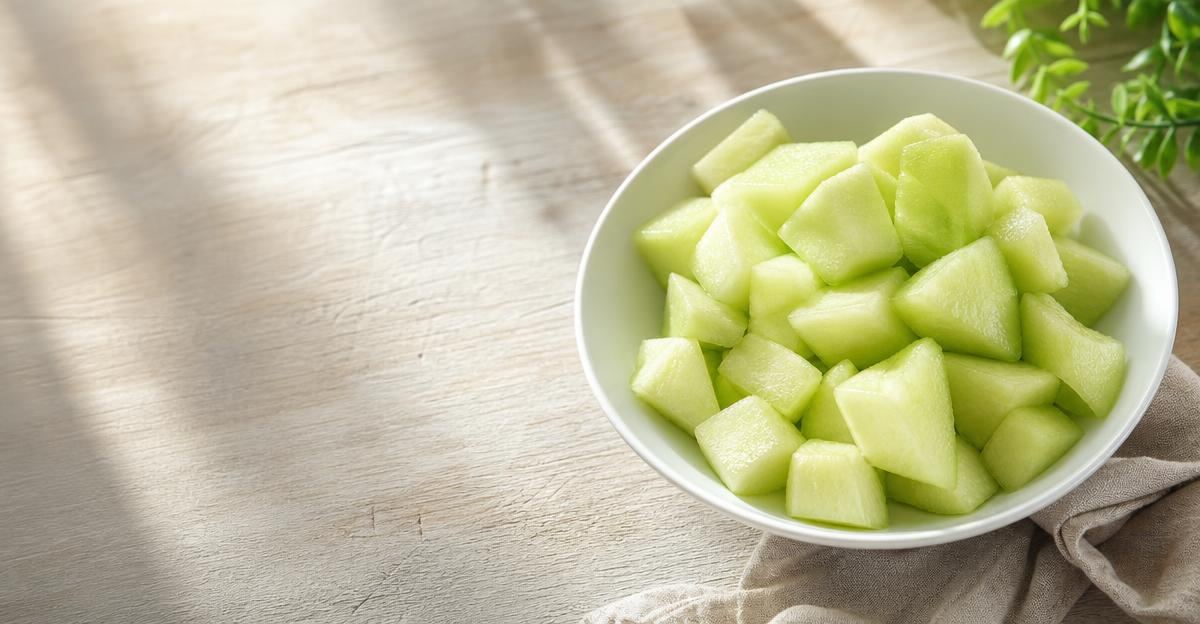
When you want something sweet that fits comfortably within a calorie budget, melon is often near the top of the list. Honeydew melon, with its pale green flesh and mild honey flavor, provides a crisp and refreshing option whether chopped into a breakfast bowl, packed as an afternoon snack, or blended into a post-workout smoothie.
Understanding the caloric density and macronutrient profile of honeydew can help you decide how best to fit it into your daily nutrition plan. Here is a practical look at honeydew calories, its nutritional value, and how to track it accurately.
Honeydew Calorie and Macronutrient Breakdown
Honeydew is naturally low in calories primarily because of its high water content, which makes up about 90% of the fruit by weight.
According to food composition data from the USDA, a standard 1-cup serving of diced honeydew melon (about 170 grams) contains:
- Calories: ~61 kcal
- Protein: ~1 gram
- Fat: ~0.2 grams
- Carbohydrates: ~15.5 grams
- Dietary Fiber: ~1.4 grams
- Natural Sugars: ~14 grams
If you prefer to eat melon by the wedge, an average eighth of a medium melon (around 160 grams) provides roughly 58 calories. Because honeydew has virtually zero fat and minimal protein, nearly all of its energy comes from naturally occurring carbohydrates, mainly fructose and glucose.
Micronutrients and Hydration Benefits
Beyond its low calorie count, honeydew delivers several micronutrients that support daily health and physical recovery:
- Vitamin C: A single cup provides over half of your recommended daily intake, supporting immune function and collagen synthesis.
- Potassium: Honeydew contains roughly 380 milligrams of potassium per cup. Potassium is an essential electrolyte that aids in fluid balance, muscle contraction, and healthy blood pressure regulation.
- B Vitamins: It offers modest amounts of folate, vitamin B6, and niacin, which assist in cellular energy metabolism.
Because it is packed with water and electrolytes, honeydew serves as an excellent natural rehydration snack after brisk walking, strength sessions, or endurance training in warm weather.
Satiety and Blood Sugar Considerations
Because honeydew is high in water and contains modest fiber, it has low energy density. This means you can eat a substantial volume of food for relatively few calories, which can help promote fullness on a calorie-restricted diet.
However, because honeydew digests relatively quickly on its own, eating simple fruit carbohydrates solo might leave you hungry again within an hour or two. Pairing honeydew with a source of protein or healthy fat slows gastric emptying and keeps blood sugar steadier.
Great pairing ideas include:
- Diced honeydew stirred into nonfat Greek yogurt or cottage cheese.
- Sliced melon alongside a handful of raw almonds or walnuts.
- Cubed honeydew wrapped with a lean slice of prosciutto as a savory-sweet appetizer.
If you manage conditions like type 1 or type 2 diabetes or insulin resistance, remember that fruit affects individuals differently. This article provides general nutrition information, so be sure to consult a registered dietitian or physician for personalized guidance. If you are coordinating care or dietary plans for an older family member, resources from carenavigator.life can help you organize daily wellness support.
How to Log Honeydew in Your Daily Tracker
Fruit is one of the easiest foods to underestimate or overestimate depending on how you log it. A "cup" can vary dramatically based on whether the melon is cut into large chunks or fine dice.
Here are a few quick tips to log honeydew cleanly:
- Use Weight When at Home: If you have a digital kitchen scale, weighing melon in grams gives you exact precision. 100 grams of honeydew is roughly 36 calories.
- Use Visual Estimates on the Go: A 1-cup serving of diced melon is approximately the size of a standard baseball or your closed fist. If you are eating out, learning how to estimate portions at restaurants without a scale ensures you stay consistent without stressing over perfect precision.
- Account for Additions: If you drizzle honey, toss the fruit in syrup, or blend it with fruit juice, be sure to log those liquid additions separately, as they quickly change the calorie profile.
Consistent logging is not about perfection; it is about building awareness of portion sizes and energy density over time.
Ready to make tracking simple and intuitive? Try Stride to log meals from photos, track your workouts, and monitor weight trends all in one clean app.
Put this into practice with Stride
Log meals, training, weight and sleep in seconds, then get guidance that fits your own numbers.
Try Stride free