
Grapefruit Nutrition: Calories and Vitamin C per Half
Learn the exact calories, vitamin C content, and key nutrients in half a grapefruit, plus practical tips for effortless meal logging.
· 5 min read
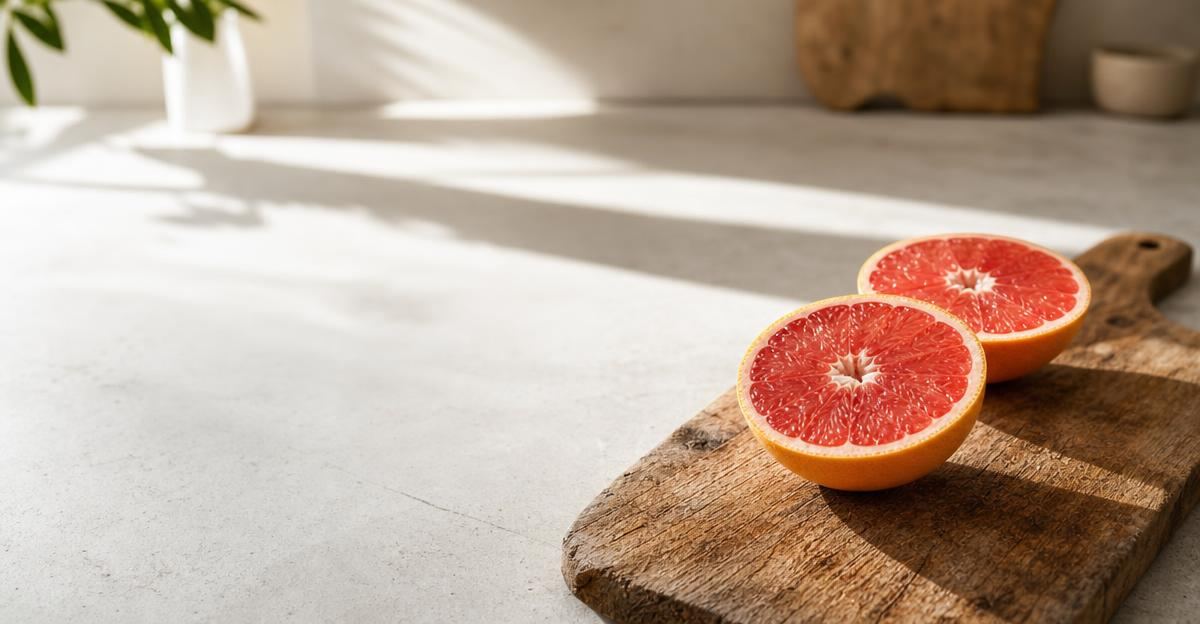
Grapefruit is a staple in breakfast routines and healthy eating plans, prized for its tart flavor and refreshing juiciness. Whether you slice a ruby red grapefruit in half for a quick morning snack or broil a pink half with a dash of cinnamon, knowing what is inside each serving helps you log your daily nutrition accurately.
When you look at whole foods, produce does not come with a neat nutrition facts label. Here is a clear breakdown of the calories, vitamin C content, and key nutrients found in half a grapefruit, along with tips on fitting it seamlessly into your daily tracking routine.
Calories and Macros in Half a Grapefruit
Grapefruits come in various sizes, but a standard medium grapefruit measures roughly 3.5 to 4 inches in diameter. When you cut one in half, a typical edible portion weighs around 120 to 125 grams (excluding the rind and peel).
According to data compiled in the USDA FoodData Central database, half of a medium fresh pink or red grapefruit provides approximately:
- Calories: 40 to 52 kcal
- Total Carbohydrates: 10 to 13 grams
- Dietary Fiber: 1.5 to 2 grams
- Sugars: 8 to 9 grams
- Protein: 0.8 to 1 gram
- Fat: 0.1 to 0.2 grams
- Water Content: Over 88% by weight
Because of its high water volume and modest fiber content, half a grapefruit offers considerable bulk with very few calories. This makes it an effective food for promoting fullness without taking a large bite out of your daily energy budget.
Vitamin C per Half: Meeting Your Daily Needs
Grapefruit is best known as an exceptional source of vitamin C (ascorbic acid), a water-soluble antioxidant essential for immune function, collagen synthesis, and iron absorption.
A single half of a medium red or pink grapefruit delivers roughly 38 to 44 milligrams of vitamin C. For white varieties, the amount is very similar, averaging around 38 milligrams per half.
For most adults, the recommended daily intake of vitamin C ranges from 75 milligrams for women to 90 milligrams for men. Eating just half a grapefruit in the morning supplies about half of your total daily requirement before you even head out the door. Because your body does not store water-soluble vitamins in large quantities, spreading your intake across fresh fruits and vegetables throughout the day is an ideal strategy.
Beyond vitamin C, half a red or pink grapefruit provides:
- Vitamin A (as beta-carotene and lycopene): About 1,000 to 1,400 IU, giving pink and red varieties their rich color and additional antioxidant support.
- Potassium: Approximately 160 to 175 milligrams, supporting healthy fluid balance and muscle function.
- Folate: Around 10 to 15 micrograms, contributing to cellular repair and metabolism.
How Color and Variety Affect the Numbers
When browsing the produce aisle, you will generally find three primary varieties: red, pink, and white.
- Ruby Red and Pink: These varieties are naturally slightly sweeter to the palate and contain higher levels of carotenoids, specifically beta-carotene and lycopene. The calorie count and vitamin C content remain nearly identical to white varieties, but the antioxidant profile is richer.
- White (or Yellow): White grapefruits tend to have a sharper, more bitter profile due to slightly higher concentrations of bitter flavonoids like naringin. They have virtually the same caloric density and vitamin C as red varieties, but lack significant vitamin A precursors.
If you enjoy sweetening tart grapefruit halves, keep in mind how additions change your logs. A single teaspoon of granulated sugar or honey adds about 16 to 21 calories and 4 to 5 grams of simple carbohydrates. If you want to soften the bitterness without adding extra sugar, try a sprinkle of ground ginger or cinnamon, or broil the half under an oven rack for two minutes to caramelize the natural fruit sugars.
Medication Interactions to Keep in Mind
While grapefruit is nutrient-dense, it has a unique biochemical interaction that requires attention. Grapefruit contains compounds known as furanocoumarins, which can block the action of CYP3A4, an enzyme in your small intestine responsible for breaking down certain medications.
When this enzyme is inhibited, your body can absorb significantly more of the medication than intended, increasing the risk of adverse side effects. This interaction commonly affects specific statins (cholesterol-lowering drugs), blood pressure medications, and anti-anxiety treatments.
If you are managing chronic conditions or taking prescription therapies, you can consult with resources like dr.life or speak directly with your primary care provider or pharmacist. They can confirm whether fresh grapefruit or grapefruit juice is safe to include in your meal plan.
Practical Tips for Logging Grapefruit
Tracking fresh citrus can sometimes feel ambiguous because individual fruit sizes vary. Here are a few practical ways to keep your tracking simple and precise:
- Use weight when accuracy matters: If you track macros closely for athletic goals or specific dietary plans, weigh the edible fruit segments on a kitchen scale in grams once or twice. Once you know what your typical grocery store grapefruit weighs, you can switch back to standard half-fruit portion estimates.
- Pair with protein or healthy fats: A grapefruit half on its own digests relatively quickly. To turn it into a balanced breakfast that sustains your energy all morning, pair it with two boiled eggs, a cup of plain Greek yogurt, or a handful of raw almonds.
- Account for fresh produce simply: Many people wonder how closely they should monitor fresh produce. Just as learning when and how should you track non-starchy vegetables helps simplify your daily routine, logging whole fruit as standard halves keeps your data reliable without adding unnecessary kitchen stress.
Building sustainable nutrition habits is about getting clear, actionable insight from the food you eat every day. If you want an effortless way to keep tabs on your citrus intake, daily macros, and broader health goals, try Stride to log meals, workouts, and weight in one place.
Put this into practice with Stride
Log meals, training, weight and sleep in seconds, then get guidance that fits your own numbers.
Try Stride free