
Grape Calories and Nutrients: How Much Is a Cup?
Learn how many calories, carbs, and nutrients are in a cup of grapes, how red and green varieties compare, and practical tips for portioning.
· 4 min read
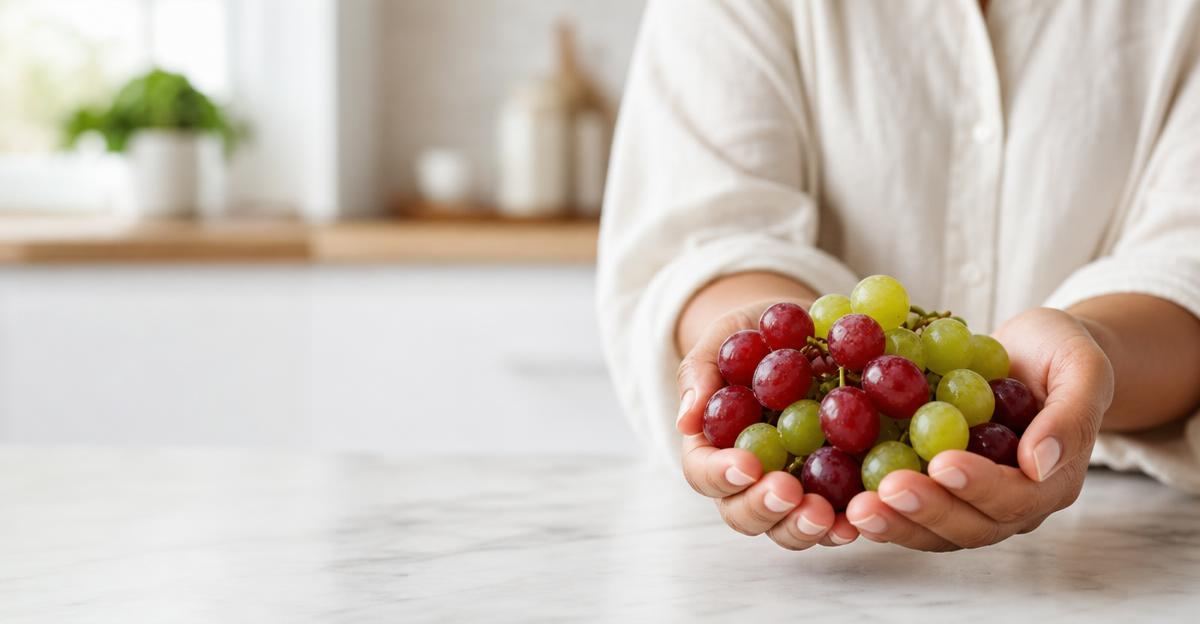
Grapes are one of the most convenient, refreshing fruits you can keep in your kitchen. They require no peeling, pack easily for work or travel, and offer a crisp burst of sweetness that can satisfy a sugar craving without reaching for processed snacks.
However, because grapes are so easy to graze on by the handful, many people wonder how they fit into a daily nutrition plan. Understanding the calorie density, carbohydrate content, and micronutrient profile of a standard serving helps you log your food accurately and build balanced meals.
How Many Calories and Carbs Are in a Cup of Grapes?
When estimating portions, volume can sometimes be misleading. A standard cup of whole grapes weighs approximately 151 grams (about 5.3 ounces).
According to food composition data from the USDA, one cup of seedless red or green grapes provides roughly:
- Calories: 104 kcal
- Carbohydrates: 27 grams
- Dietary Fiber: 1.4 grams
- Sugar: 23 grams
- Protein: 1.1 grams
- Fat: 0.2 grams
- Water: 122 grams (over 80% of total weight)
The carbohydrates in grapes come primarily from natural sugars—glucose and fructose in roughly equal amounts. Because they have a high water content and a modest amount of fiber, whole grapes have a low to moderate glycemic impact compared to refined fruit snacks or grape juice.
If you are tracking your daily intake, understanding how minor additions influence your numbers is key. For those wondering how closely they need to measure produce, exploring whether you should you track non-starchy vegetables and whole fruits can help you find a sustainable balance between precision and ease.
Key Nutrients and Micronutrients in Grapes
Beyond their macronutrient breakdown, grapes deliver several essential vitamins, minerals, and bioactive plant compounds:
Vitamin K
One cup provides about 22 micrograms of vitamin K, roughly 18% of the daily recommended intake for adults. Vitamin K plays a vital role in blood clotting and bone metabolism. If you take blood-thinning medications, keep in mind that consistent vitamin K intake is important; always consult your clinician about dietary changes that might interact with your prescriptions.
Vitamin C and B Vitamins
Grapes offer around 3 to 4 milligrams of vitamin C per cup, alongside small amounts of thiamine (B1), riboflavin (B2), and vitamin B6. These vitamins support immune function, collagen synthesis, and cellular energy production.
Potassium
With about 288 milligrams of potassium per cup, grapes contribute to healthy fluid balance and muscle function. Potassium works in balance with dietary sodium to support normal blood pressure levels.
Polyphenols and Antioxidants
The skins and flesh of grapes contain natural polyphenols, including anthocyanins (which give red and black grapes their dark color), catechin, quercetin, and resveratrol. These compounds act as antioxidants, helping protect cells from oxidative stress. Red and concord varieties tend to have higher concentrations of anthocyanins and resveratrol than green (white) varieties.
Red vs. Green Grapes: Is There a Nutritional Difference?
From a calorie and macronutrient standpoint, red and green grapes are nearly identical. Both supply around 100 to 110 calories per cup, with very similar sugar and water profiles.
The primary difference lies in their phytonutrient makeup. Red, purple, and black grapes contain anthocyanins—the same protective plant pigments found in blueberries and blackberries. Green grapes contain other beneficial flavonoids, such as catechin, but lower overall levels of anthocyanins. Choosing a mix of colors is a simple way to vary your antioxidant intake.
Practical Tips for Portioning and Enjoying Grapes
Because grapes are small and bite-sized, it is remarkably easy to consume two or three cups while working, cooking, or watching television. Here are a few practical strategies to keep your portion sizes intentional:
- Pre-portion into containers: Wash and divide a bunch into single-cup portions (about 25 to 30 medium grapes) right after buying them. Having pre-measured servings in your fridge removes the guesswork.
- Freeze them for a slower snack: Frozen grapes take longer to chew and have a texture similar to fruit sorbet. Freezing naturally slows down your eating pace, giving your fullness cues time to register.
- Pair with protein or healthy fats: Eating grapes alongside a source of protein—like a hard-boiled egg, Greek yogurt, or a handful of raw almonds—helps blunt any blood sugar rise and keeps you satisfied longer than eating fruit alone.
- Toss them into savory dishes: Halved grapes add a bright contrast to chicken salads, roasted Brussels sprouts, or grain bowls, allowing you to enjoy the flavor with a smaller total serving.
Balancing daily nutrition is just one part of maintaining long-term wellness. If you are supporting an aging family member alongside your own routine, practical logistical resources like learning who helps when care at home becomes too much for one family to manage can provide clear guidance during challenging caregiving transitions.
The Bottom Line
A cup of grapes is a hydrating, nutrient-dense whole food that delivers quick energy, hydration, vitamin K, and valuable antioxidants for around 104 calories. While their natural sugar content is higher than berries, their high water content makes them a satisfying snack when enjoyed in moderate, mindful portions.
Stride makes it simple to stay consistent with your nutrition goals. Use Stride to snap a photo of your snacks, log your workouts, monitor your weight trends, and keep all your daily health data organized in one seamless app.
Put this into practice with Stride
Log meals, training, weight and sleep in seconds, then get guidance that fits your own numbers.
Try Stride free