
Fresh vs. Frozen Vegetables and Vitamins: What to Know
Compare fresh and frozen vegetables for vitamin retention, cooking methods, and practical daily meal prep to support your nutrition goals.
· 4 min read
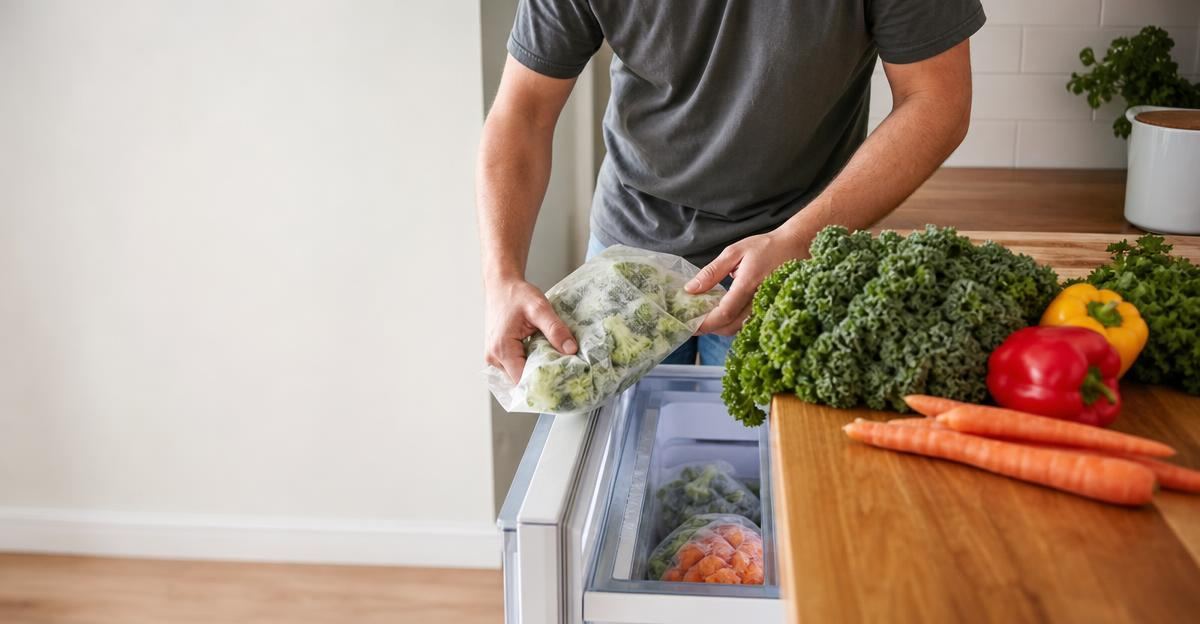
When you walk through the grocery store trying to build healthy meals, the produce aisle often feels like the only "right" choice. We are conditioned to believe that crisp, raw vegetables straight from the farm stand are naturally superior to the bags sitting in the freezer section.
However, when you look at nutrient retention, food waste, and the reality of a busy schedule, the debate between fresh and frozen vegetables becomes much more nuanced. Understanding how freezing affects vitamins helps you build balanced meals without unnecessary stress or spoiled food.
How Harvesting and Storage Affect Vitamins
To understand the vitamin content of your vegetables, you have to look at the timeline from harvest to your plate.
Fresh produce intended for grocery store shelves is often picked before it reaches peak ripeness. This allows the produce to survive shipping, handling, and days on the shelf without rotting. During transit and storage, exposure to light, oxygen, and fluctuating temperatures causes sensitive nutrients—particularly water-soluble vitamins like vitamin C and certain B vitamins—to gradually degrade. By the time a head of broccoli sits in your refrigerator crisper drawer for five days, its nutrient profile may be noticeably lower than the day it was harvested.
Frozen vegetables follow a very different path. They are typically harvested at peak ripeness, when nutrient density is at its highest. Within hours of being picked, they are transported to a processing facility, washed, briefly blanched in hot water or steam to stop enzymatic activity, and flash-frozen.
While blanching does cause a minor loss of some heat-sensitive vitamins, flash-freezing essentially locks the remaining nutrient profile in place until you cook it. According to nutrient data from the USDA FoodData Central, frozen vegetables often match—and in some cases exceed—the micronutrient levels of fresh vegetables that have spent days in transit and home storage.
Comparing Key Nutrients: Fresh vs. Frozen
Different vitamins react differently to heat, cold, and storage time. Here is how key nutrients hold up across both formats:
- Vitamin C: Highly sensitive to heat, light, and air. Fresh vegetables lose vitamin C rapidly over several days at room temperature or in the fridge. Frozen vegetables lose a small percentage during the initial blanching process, but retain the rest stably for months.
- B Vitamins (Folate, Thiamine, Niacin): Like vitamin C, B vitamins are water-soluble. They can leach slightly during hot-water blanching, but remain well-preserved once frozen.
- Fat-Soluble Vitamins (A, E, K) and Carotenoids: Compounds like beta-carotene, lutein, and vitamin K are remarkably sturdy. They hold up exceptionally well through both the blanching and freezing processes, meaning frozen carrots, spinach, and peas offer virtually identical amounts compared to fresh.
- Fiber and Minerals: Calcium, iron, magnesium, potassium, and dietary fiber do not break down during freezing or standard cooking. A cup of frozen green beans provides the same digestive and mineral benefits as a cup of fresh ones.
If you are tracking your overall intake and wondering how to log these items accurately, our guide on whether you should track non-starchy vegetables breaks down practical ways to account for veggies without micromanaging every single bite.
Cooking Methods Make the Real Difference
The format you buy matters far less than how you prepare it at home. Because vitamins like C and B-complex dissolve in water, boiling any vegetable—fresh or frozen—in a large pot of water and draining it away leads to significant nutrient loss.
To preserve the highest vitamin content:
- Steam or microwave: These methods use minimal water and short cooking times, keeping water-soluble vitamins inside the vegetable.
- Roast or sauté: Tossing frozen or fresh vegetables in a little olive oil and roasting them at high heat creates great texture while maintaining fat-soluble vitamins and minerals.
- Add directly to hot dishes: Stir frozen spinach, peas, or bell peppers directly into soups, stews, curries, or grain bowls during the last few minutes of cooking.
If you have specific clinical nutrient deficiencies or specialized dietary requirements, consider consulting a registered dietitian or using a resource like medical.life to explore qualified clinical guidance.
Practical Strategies for Everyday Eating
The best vegetable is the one you actually eat. Relying solely on fresh produce often leads to guilt when unused greens turn to liquid at the bottom of the fridge. Blending both options into your routine creates an easy, sustainable system:
- Use fresh for texture and raw eating: Salads, raw snacking veggies, cucumbers, and fresh herbs are best bought fresh and eaten within a few days.
- Keep frozen for convenience and cooked dishes: Stock your freezer with steamable bags of broccoli florets, chopped spinach, edamame, and mixed stir-fry vegetables. They require no washing or chopping, saving prep time on busy weeknights.
- Reduce food waste: If you notice fresh vegetables starting to lose their crispness, chop and freeze them for future soups or smoothies before they spoil.
Eating enough vegetables consistently throughout the week provides far greater health benefits than worrying about marginal differences in vitamin percentages between fresh and frozen options.
Tracking your meals, daily activity, and sleep helps you see the complete picture of your nutrition habits. If you want a simple way to stay consistent, try Stride to log meals, workouts, and weight in one place.
Put this into practice with Stride
Log meals, training, weight and sleep in seconds, then get guidance that fits your own numbers.
Try Stride free