
Fiber and Nutrients With and Without the Peel
Learn how keeping or removing the peel on fruits and vegetables affects dietary fiber, vitamins, and antioxidants to optimize your daily nutrition.
· 4 min read
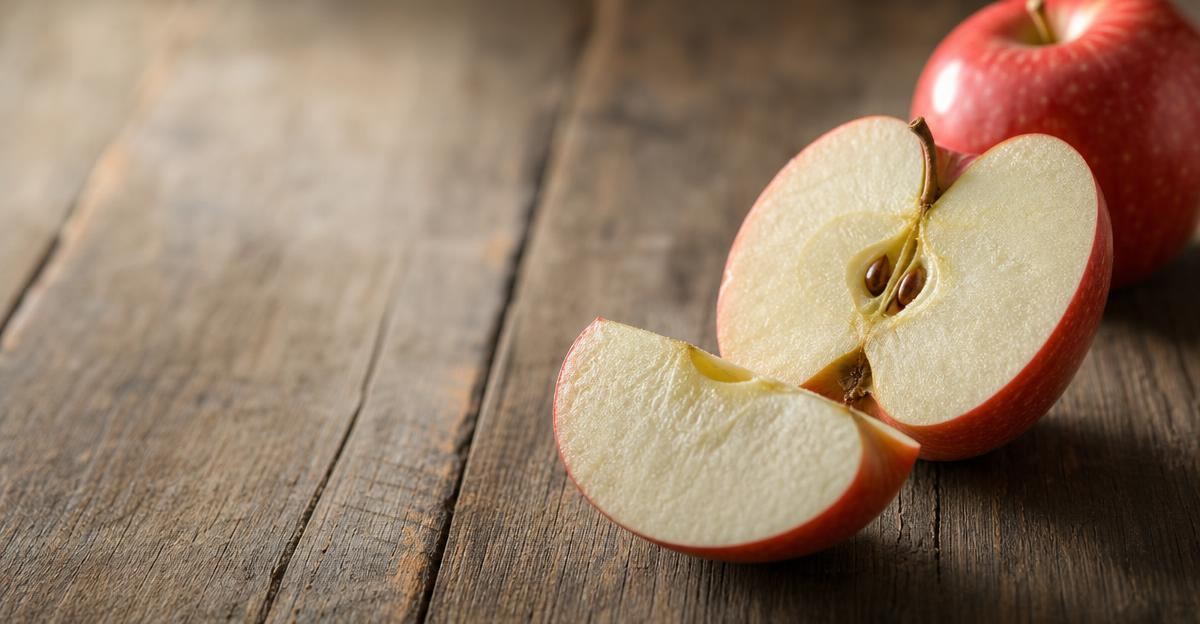
When you wash a crisp apple, scrub a sweet potato, or slice a cucumber, you face a quick kitchen decision: reach for the peeler or leave the skin intact?
Peeling produce is often a matter of habit or texture preference. However, the outer skin of fruits and vegetables plays a unique biological role, protecting the plant from environmental stressors. That protective exterior concentrates distinct micronutrients, pigments, and structural carbohydrates. Understanding what changes when you peel your produce can help you optimize your daily nutrition without adding unnecessary friction to your cooking routine.
The Structural Difference: Dietary Fiber
The most significant change that occurs when you remove the skin of a fruit or vegetable is a drop in dietary fiber, particularly insoluble fiber.
Plant skins consist heavily of cellulose, hemicellulose, and lignin. These fibrous components give produce its rigid structure and crunch. When consumed, insoluble fiber adds bulk to the digestive tract, supporting regular bowel movements and promoting gut health.
The flesh of fruits and vegetables contains fiber too, but it often leans more toward soluble fiber, such as pectin in apples. Soluble fiber dissolves in water to form a gel-like substance in the gut, which slows digestion and helps moderate blood sugar spikes.
According to nutritional analyses in the USDA FoodData Central database, an unpeeled medium apple contains roughly 4.4 grams of dietary fiber, while a peeled apple of the same size drops to under 2.5 grams. That is nearly a 45% reduction in total fiber simply from discarding the peel. A similar pattern occurs with baked potatoes, carrots, and pears. Keeping the peel is an effortless way to boost your daily total toward optimal digestive health.
Micronutrients and Antioxidants in the Skin
Beyond fiber, the skin and the layer immediately beneath it are dense with vitamins, minerals, and polyphenols.
Plants produce antioxidant compounds—including flavonoids, anthocyanins, and carotenoids—to shield their tissues from ultraviolet light and pests. These compounds are heavily concentrated in the colorful outer layer:
- Potatoes: A substantial portion of a potato's potassium, iron, and vitamin C sits in and just below the skin. Peeling deeply can remove a notable share of these essential micronutrients.
- Cucumbers: The dark green skin holds the bulk of the cucumber's vitamin K, beta-carotene, and magnesium, whereas the pale inner flesh is mostly water.
- Eggplants: The vibrant purple peel contains nasunin, a potent anthocyanin that protects cell membranes.
- Apples: Apple skin contains significantly higher concentrations of quercetin, a flavonoid associated with cardiovascular and metabolic health, than the white interior flesh.
If you are already mindful of your micronutrient balance and tracking fiber intake without overcomplicating meals, leaving edible peels intact is one of the simplest ways to increase nutrient density without eating larger volumes of food.
When Does It Make Sense to Peel?
While keeping the skin on offers nutritional advantages, there are sensible reasons to peel certain items:
- Digestive Comfort: For individuals experiencing acute gastrointestinal flare-ups or those managing conditions that require a low-residue diet, the coarse insoluble fiber in tough skins can cause bloating, gas, or discomfort. In these cases, peeled, well-cooked vegetables are much gentler on the digestive tract.
- Texture and Culinary Use: Certain skins are simply unpalatable. Thick rinds (like winter squash, melons, or citrus) and fibrous coverings (like mature root vegetables) often detract from a recipe.
- Pesticide Residue Concerns: While thoroughly washing produce under running water removes dirt and reduces surface residues significantly, peeling removes surface residues almost entirely. If you cannot find or afford organic varieties of thin-skinned produce, peeling remains a valid personal choice.
Nutrition is always about context and trade-offs. Just as managing family wellness resources requires learning how to get excellent value without sacrificing quality, everyday cooking is about finding the right balance between peak nutritional density, ease of preparation, and physical comfort.
Practical Kitchen Guidelines
You do not need an all-or-nothing approach to produce skins. A few sensible habits will help you capture the benefits without fuss:
- Scrub instead of peeling: Use a simple vegetable brush under cold running water for carrots, parsnips, radishes, and potatoes. A thorough scrub cleans the surface while preserving the nutrient-rich outer layer.
- Slice thinly: If you dislike the chewiness of raw skins on cucumbers or zucchini, slice them paper-thin or use a mandoline. The texture becomes unnoticeable in salads and side dishes.
- Roast with the skin on: Roasting sweet potatoes, baby carrots, and beets with their skins intact softens the outer layer, making it tender, flavorful, and easy to eat.
*Note: This article provides general nutritional information. If you have specific medical conditions affecting your gastrointestinal tract or have been advised to follow a specialized diet, speak to a qualified clinician or registered dietitian.*
Ready to see how small daily choices impact your overall wellness? Download Stride to log your meals, track your workouts, and monitor your weight trends all in one simple place.
Put this into practice with Stride
Log meals, training, weight and sleep in seconds, then get guidance that fits your own numbers.
Try Stride free