
Dates and Sugar: Medjool vs. Deglet Noor
Compare Medjool vs. Deglet Noor dates: discover differences in sugar composition, calories, fiber, glycemic impact, and practical kitchen uses.
· 5 min read
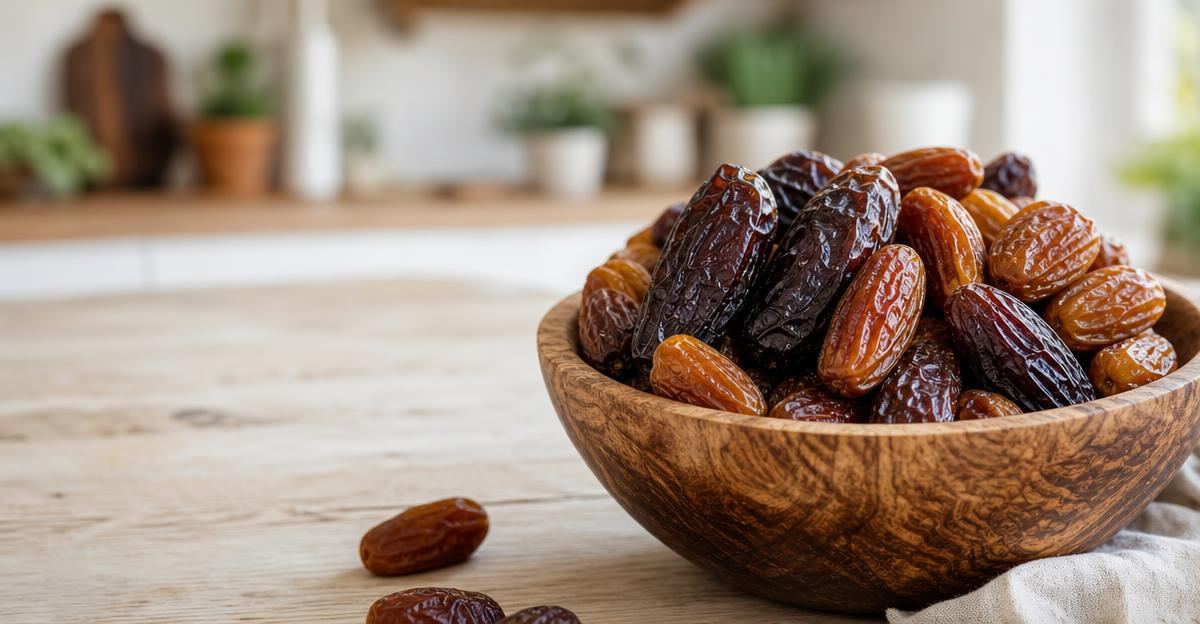
Dates are one of nature's most concentrated whole-food sweeteners. Whether you are blending them into a pre-workout smoothie, stuffing them with nut butter for an afternoon snack, or using them to replace refined table sugar in baking, they offer a rich, caramel-like sweetness alongside dietary fiber and minerals.
When you stand in the produce aisle, you will almost always encounter two primary varieties: Medjool and Deglet Noor. While they look and taste quite different, their nutritional profiles share a lot of common ground—with a few key differences in sugar composition, moisture, and culinary use that can impact how you log them.
Here is a breakdown of how Medjool and Deglet Noor dates compare in sweetness, sugar types, fiber, and practical daily nutrition.
Physical Characteristics and Flavor Profiles
The most obvious contrast between these two varieties is their texture and size.
Medjool dates are often called the "king of dates." They are large, soft, and distinctly moist with a deep amber-brown skin. When you bite into a fresh Medjool, the texture is chewy and almost melt-in-your-mouth tender, reminiscent of rich toffee or brown sugar. Because of their delicate nature, they are harvested fresh and handled carefully to avoid crushing.
Deglet Noor dates, on the other hand, are smaller, firmer, and semi-dry. Their name translates roughly to "date of light" due to their translucent, honey-golden color when held to the sun. Deglet Noor dates have a milder, more delicate sweetness with a nutty undertone. Their firmer flesh makes them far easier to dice and store without sticking together into a solid mass.
The Sugar Breakdown: Fructose, Glucose, and Sucrose
Both varieties get nearly all of their calories from carbohydrates, primarily natural sugars. However, the chemical structure of those sugars differs between the two types according to USDA FoodData Central profiles:
- Medjool Dates: The sugar content in Medjool dates is composed almost entirely of invert sugars—monosaccharides like fructose and glucose—with virtually no sucrose. Because fructose tastes sweeter to human taste buds than glucose or sucrose, Medjool dates deliver an immediate, intense burst of sweetness.
- Deglet Noor Dates: Deglet Noor dates contain a notable proportion of sucrose (a disaccharide made of glucose and fructose bonded together), along with free fructose and glucose. This gives them a more balanced, less overwhelming sweetness profile.
Gram for gram, their total sugar content is nearly identical. A standard 100-gram serving of either variety contains roughly 63 to 66 grams of sugar and around 275 to 280 calories.
The primary difference lies in portion sizes. A single Medjool date typically weighs around 24 grams (yielding about 16 grams of sugar), whereas an average Deglet Noor date weighs only about 7 to 8 grams (yielding roughly 5 grams of sugar). Eating two Medjool dates delivers roughly the same amount of carbohydrates and energy as eating five or six Deglet Noor dates.
Glycemic Impact and Fiber Content
Because dates are naturally sweet, people often wonder how they affect blood sugar levels.
Despite their high sugar concentration, both Medjool and Deglet Noor dates generally fall into the low-to-medium glycemic index (GI) range. This is largely due to their dietary fiber content. A 100-gram serving of dates provides between 7 and 8 grams of insoluble and soluble fiber.
Fiber slows down the digestion and absorption of carbohydrates in the gut, which helps blunt the sharp glucose spike you might otherwise experience from refined candy or syrup. Dates also contain beneficial polyphenols and minerals like potassium, magnesium, and copper.
Managing carbohydrate density remains an important part of overall metabolic health. Long-term glycemic regulation plays a major role across the body, and systemic conditions often require holistic daily management—for instance, diabetic foot problems need more attention than blood sugar alone as you age. If you have diabetes or insulin resistance, treat this as general nutritional information and consult your physician or registered dietitian before adding concentrated dried fruits to your daily meals.
How to Choose the Right Date for Your Goals
Neither date is inherently superior; the best choice depends on how you plan to use it in your routine.
When Medjool Works Best
- Quick pre-workout fuel: Because Medjool sugars are already broken down into glucose and fructose, your digestive system absorbs them rapidly, making a single Medjool date an effective energy booster 20 to 30 minutes before a lifting session or run.
- Raw desserts and energy bites: The soft, sticky texture of Medjool dates acts as an ideal binder for raw nuts, seeds, and oats in a food processor without needing extra liquid or oils.
- Stand-alone snacking: Stuffing one Medjool date with an almond or a teaspoon of natural peanut butter creates a satisfying, nutrient-dense treat that curbs dessert cravings.
When Deglet Noor Works Best
- Baking and cooking: Because Deglet Noor dates are firmer and less sticky, they dice cleanly with a chef's knife. They hold their shape well when folded into morning oatmeal, sourdough loaves, salads, or grain bowls.
- Granular portion control: If you want a small touch of sweetness without consuming 60 to 70 calories in a single bite, Deglet Noor lets you easily dial in 20-calorie increments.
- Budget-conscious meal prep: Deglet Noor palms are more widely cultivated and mechanically harvested, making them noticeably more affordable per pound than Medjool dates.
Practical Tips for Tracking Dates
Because dates are calorie-dense, a few small habits make logging them straightforward and accurate:
- Log by weight when possible: Date sizes can vary substantially even within the same carton. Using a kitchen scale for a few days helps you understand what an average 24-gram Medjool or 8-gram Deglet Noor actually looks like.
- Account for the pit: If you weigh whole dates before eating, remember that the pit accounts for roughly 10% to 12% of the fruit's total weight. Most tracking databases list entries for pitted dates.
- Keep an eye on total daily carbs: If you are tracking macros closely, remember that two large Medjool dates provide around 36 grams of total carbohydrates. Knowing how to balance your fruit intake alongside other whole foods—such as deciding whether you should you track non-starchy vegetables or save your carbohydrate budget for dense energy sources—keeps your daily logging simple and sustainable.
Both Medjool and Deglet Noor dates can fit comfortably into a balanced diet. Whether you prefer the caramel softness of Medjool or the nutty versatility of Deglet Noor, paying attention to portion sizes helps you enjoy their natural sweetness while staying on track with your goals.
Take the guesswork out of your daily nutrition. Try Stride to log meals, workouts, and weight in one place.
Put this into practice with Stride
Log meals, training, weight and sleep in seconds, then get guidance that fits your own numbers.
Try Stride free