
Cherry Calories and Nutrients: Serving Size Guide
Learn the calories, carbs, and nutrients in sweet and tart cherries, along with practical portion sizes and tips for logging them accurately.
· 4 min read
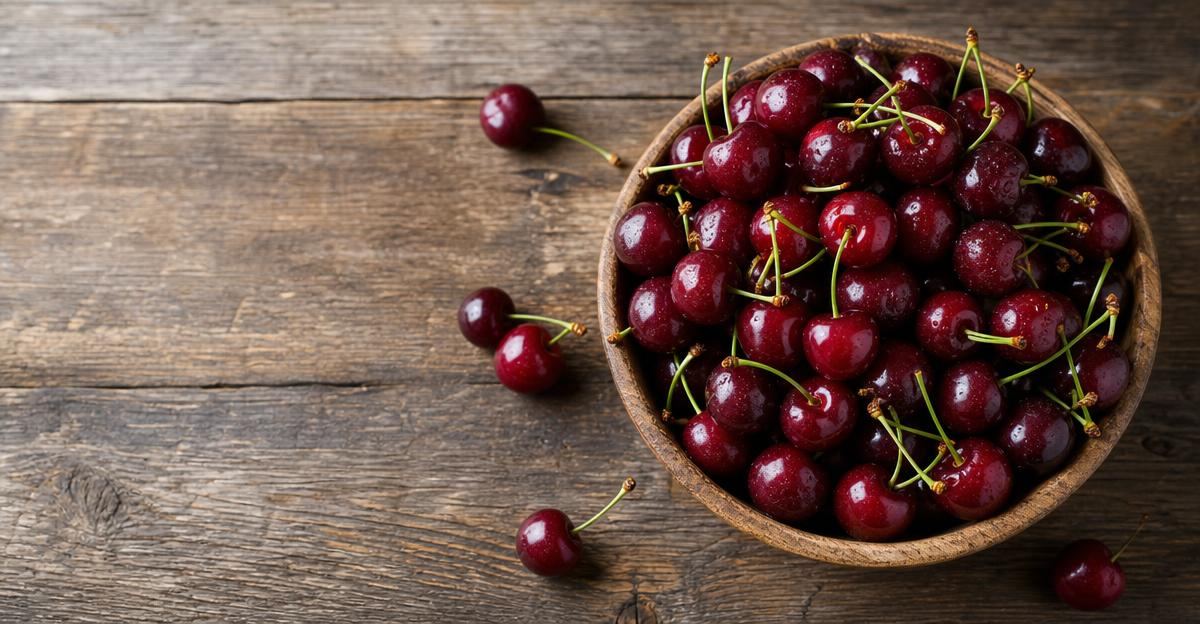
Cherries are one of the most rewarding summer fruits to eat fresh, but their natural sweetness often leaves people wondering where they fit into daily nutrition goals. Whether you are tracking daily calories, managing carbohydrate intake, or simply trying to add more whole foods to your routine, understanding portion sizes makes logging fruit effortless.
Here is a straightforward look at what you get from a standard serving of sweet and tart cherries, their key micronutrients, and how to fit them into your routine without stress.
What Counts as a Standard Serving of Cherries?
When logging fruit, portion confusion is common. A standard serving of fresh sweet cherries—such as Bing or Rainier varieties—is generally considered one cup of whole cherries with stems and pits, or about 140 to 154 grams. In everyday terms, that works out to about 18 to 21 individual sweet cherries.
According to the USDA FoodData Central database, one cup (154 grams) of sweet raw cherries provides:
- Calories: 97
- Protein: 1.6 grams
- Fat: 0.3 grams
- Carbohydrates: 24.6 grams
- Fiber: 3.2 grams
- Sugars: 19.7 grams
- Potassium: 342 milligrams (approx. 7% of daily value)
- Vitamin C: 10.8 milligrams (approx. 12% of daily value)
Tart cherries (often called sour cherries or Montmorency cherries) are slightly lower in natural sugars and calories. One cup of unpitted sour cherries (about 155 grams) delivers roughly 78 calories and 18.9 grams of carbohydrates, alongside higher concentrations of specific organic acids.
Keep in mind that this is general nutrition information rather than individualized dietary guidance. If you manage specific metabolic conditions like diabetes or kidney disease where potassium or simple carbohydrate intake requires careful monitoring, speak to a registered dietitian or clinical provider.
Key Nutrients and Health Benefits
Cherries offer far more than just natural sweetness. Their deep red and purple hues come from anthocyanins, a class of polyphenol compounds with strong antioxidant properties.
Dietary Fiber for Satiety and Gut Health
A single cup provides over 3 grams of dietary fiber. Combining soluble and insoluble fiber slows down gastric emptying, preventing sharp blood sugar spikes despite the fruit's natural fructose content. If you are learning how tracking fiber intake without overcomplicating meals can stabilize daily energy levels, fresh stone fruits like cherries are an easy addition to breakfast or afternoon snacks.
Micronutrients and Electrolytes
Cherries provide a meaningful dose of potassium, an essential mineral that helps regulate fluid balance, nerve signals, and blood pressure. They also deliver vitamin C, which supports collagen synthesis and immune function.
Natural Melatonin and Sleep Quality
Tart cherries, in particular, are one of the few natural dietary sources of melatonin, along with phytonutrients that may support tryptophan availability. While eating a handful of cherries will not replace good sleep hygiene, many people find that enjoying a small evening bowl of tart cherries or unsweetened tart cherry concentrate fits nicely into a relaxing wind-down routine.
Practical Ways to Log and Portion Cherries
Because cherries are small and easy to eat by the handful, it is easy to lose count while snacking straight from a colander or bag. Here are a few simple ways to estimate and log them accurately:
- The Visual Cupped-Hand Method: One cupped adult hand holds roughly half a cup of cherries (about 9 to 10 cherries, or 50 calories). Two cupped hands equal a full standard serving.
- The Bowl Strategy: Instead of eating from the produce container, transfer your intended portion into a small dessert bowl or ramekin. This visual boundary prevents unintentional grazing.
- Watch Out for Dried and Candied Versions: Dried cherries lose their water volume, condensing the sugars. A quarter-cup of dried cherries can contain over 130 calories and 30 grams of sugar, often with added cane syrup. If you use dried cherries in salads or oatmeal, weigh or measure them closely.
- Frozen Cherries: Unsweetened frozen pitted cherries are nutritionally equivalent to fresh ones and make convenient additions to post-workout protein smoothies.
Fitting Cherries into Your Daily Health Stack
Building sustainable nutrition habits is about balance, not restriction. Eating well and maintaining independence through wholesome routines is a priority for people at every stage of life, whether they are managing busy workweeks or exploring supportive community options like Cherry Hill care resources for aging family members.
Pairing cherries with a protein or healthy fat source—such as Greek yogurt, cottage cheese, or a small handful of walnuts—slows digestion further and creates a satisfying snack that keeps hunger steady between main meals.
When it comes to tracking your daily nutrition, consistency matters more than perfection. Try Stride to log meals from a quick photo, track workouts, and monitor weight trends all in one simple, supportive place.
Put this into practice with Stride
Log meals, training, weight and sleep in seconds, then get guidance that fits your own numbers.
Try Stride free