

Tracking Fiber Intake Without Overcomplicating Meals
Learn how to track fiber intake simply and sustainably. Practical strategies to boost fiber, avoid tracking fatigue, and build better daily habits.
· 3 min read
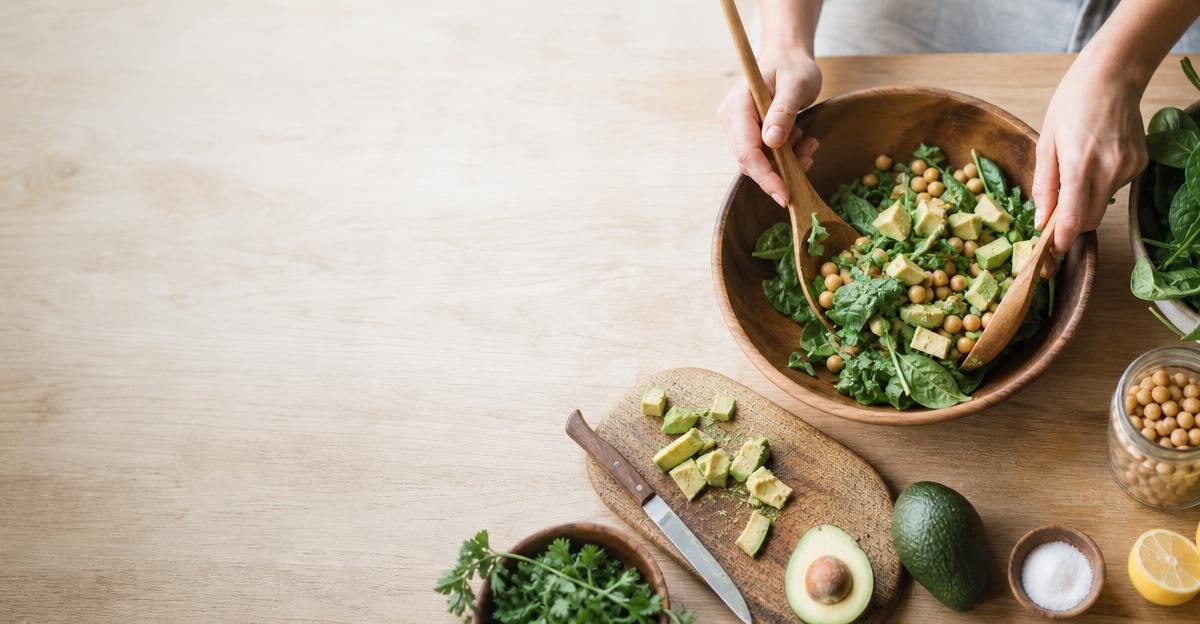
Most people know that dietary fiber matters for healthy digestion, steady energy levels, and long-term metabolic health. Yet when you decide to pay closer attention to your daily intake, it is easy to feel overwhelmed. Weighing every leaf of spinach, looking up grams of soluble versus insoluble fiber, and manually calculating totals across complex recipes quickly turns eating into a chore.
The good news is that monitoring your fiber intake does not require obsessive math. With a few simple benchmarks and a reliable logging routine, you can steadily increase your daily fiber without spending your entire evening entering data.
Why Most Fiber Tracking Goes Wrong
When people begin tracking nutrition, they often treat fiber like calories or protein—aiming for pinpoint precision on every single ingredient. But fiber behaves differently across whole foods. A medium apple, a cup of raspberries, or a serving of black beans will naturally vary slightly in its exact fiber content depending on size, ripeness, and preparation.
Trying to measure these differences down to the decimal point creates tracking fatigue. People spend five minutes logging a chopped salad, get frustrated, and stop tracking entirely after a few days.
A far more sustainable approach is to focus on general fiber density and consistent daily anchors. Understanding basic food composition data for common pantry staples helps you recognize high-yield foods quickly so you do not have to double-check every item you put on your plate.
Build Around High-Yield Daily Anchors
Rather than hunting for single grams of fiber at every snack, anchor your day around a few naturally fiber-dense food groups. When you build meals around these staples, hitting your target becomes almost automatic.
- Legumes and beans: Lentils, chickpeas, and black beans provide some of the highest fiber-to-calorie ratios available. Adding half a cup to a soup or bowl delivers substantial progress toward your daily goal.
- Berries and whole fruits: Raspberries, blackberries, pears, and apples (with the skin on) offer quick, low-effort fiber boosts for breakfast or snacks.
- Seeds and whole grains: Chia seeds, ground flaxseed, oats, and quinoa require minimal preparation and can be stirred into yogurt, oatmeal, or smoothies.
- Cruciferous vegetables: Broccoli, Brussels sprouts, and cabbage provide bulk and essential roughage without adding heavy calorie loads.
If you are cooking layered dishes with multiple whole foods, learning how to track multi-ingredient home-cooked meals fast ensures you capture your nutritional data without dissecting every spoonful at the dinner table.
Practical Strategies for Effortless Daily Tracking
Tracking should support your life, not dominate it. To keep your routine simple and manageable in 2026, use these three practical guidelines:
1. Count Portions, Not Decimals
Instead of stressing over whether a serving of oats has 3.8 or 4.1 grams of fiber, think in standard portions. Half a cup of cooked beans is roughly 7 to 8 grams. Two tablespoons of chia seeds provide around 10 grams. A medium pear gives you about 5 grams. Grouping foods into reliable portion estimates keeps your momentum going.
2. Prepare Staples in Batches
Cooking grains and legumes ahead of time simplifies both eating and logging. When you have a container of pre-cooked lentils or roasted vegetables ready in the fridge, your portions are consistent and predictable throughout the week. This type of routine planning is valuable across all stages of life, as highlighted in practical guides on why medication reminders meal prep matter for maintaining steady daily nourishment.
3. Increase Your Intake Gradually
If you currently eat a low-fiber diet, jumping straight to a high daily target can lead to temporary bloating and digestive discomfort. Increase your intake over two to three weeks, and make sure to drink plenty of water alongside your meals. If you have specific gastrointestinal conditions or medical dietary restrictions, speak to a clinician or registered dietitian before making dramatic changes to your daily nutrition plan.
Keep Your Nutrition Tracking Simple
Tracking fiber does not need to be complicated to be effective. By focusing on whole-food anchors, estimating standard portions, and staying consistent, you can support your digestive and metabolic health with minimal friction.
If you want a seamless way to monitor your daily habits, consider using Stride. With Stride, you can log meals, workouts, and weight in one place, giving you a clear picture of your health journey without the extra complexity.
Put this into practice with Stride
Log meals, training, weight and sleep in seconds, then get guidance that fits your own numbers.
Try Stride free