
Cantaloupe Calories: Nutrition Facts and Easy Portion Logging
Learn the exact calorie and nutrition breakdown of cantaloupe, portion estimation tips, and practical ways to log it in your daily meal tracking.
· 4 min read
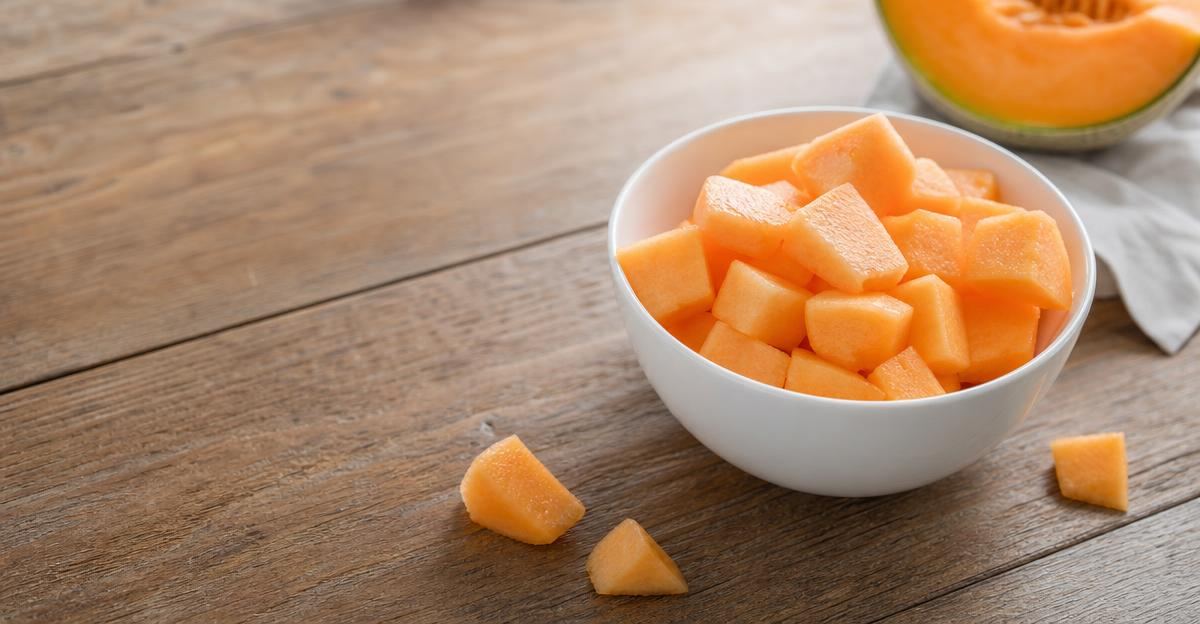
When you are tracking your food, fruit can sometimes feel tricky. Some fruits pack significant carbohydrate density into small servings, while others give you a generous portion for very few calories. Cantaloupe falls firmly into the second category.
Known for its bright orange flesh, sweet scent, and high water content, cantaloupe is one of the most volume-friendly fruits you can add to your daily routine. Understanding its nutritional profile helps you log it accurately without overthinking your portion sizes.
How Many Calories Are in Cantaloupe?
Cantaloupe has a remarkably low energy density because it is roughly 90% water by weight. When you eat a bowl of melon, most of the volume comes from fluid and fiber rather than concentrated sugars.
According to standard USDA FoodData Central nutrient profiles, raw cantaloupe contains roughly:
- 1 cup of diced cubes (approx. 160g): 54 calories, 13g carbohydrates, 1.4g fiber, 12g sugar, 1.3g protein, and under 0.3g fat.
- 1 medium wedge (1/8 of a medium melon, approx. 69g): 23 calories, 5.5g carbohydrates, 0.6g fiber, 5g sugar, and 0.6g protein.
- 1/2 medium melon (approx. 267g): 91 calories, 22g carbohydrates, 2.4g fiber, 20g sugar, and 2.2g protein.
- 100 grams: 34 calories, 8.2g carbohydrates, and 0.9g fiber.
Because a full cup of diced cantaloupe sits around 50 to 55 calories, it provides significant physical volume on a plate for a minimal caloric footprint.
Key Micronutrients Beyond the Calories
While the calorie count is modest, cantaloupe delivers substantial micronutrient value.
The vibrant orange color comes from beta-carotene, which your body converts into vitamin A. A single cup of diced cantaloupe provides more than a full day's recommended intake of vitamin A, supporting vision and immune function. That same serving also supplies nearly your entire daily requirement of vitamin C.
Cantaloupe is also a solid source of potassium, containing nearly 430 milligrams per cup. Potassium is an essential electrolyte that helps manage fluid balance and blood pressure, making juicy melon an excellent choice for post-workout hydration alongside a protein source. If you manage complex medical conditions or kidney concerns where potassium regulation is critical, speak with your physician or a care navigator service to tailor dietary mineral targets to your specific clinical needs.
How to Estimate Cantaloupe Portions Without a Scale
If you are at home, weighing food on a digital scale in grams offers the most precise logging. However, nobody wants to pull out a scale when grabbing melon slices from a breakfast spread or at a summer gathering.
Here are simple visual references for estimating cantaloupe portions:
- The Tennis Ball (1 cup): A standard cup of cubed melon is roughly the size of a tennis ball or a loosely closed fist. Log this as 50 to 55 calories.
- The Standard Wedge: If a whole cantaloupe is sliced in half, deseeded, and then cut into four wedges per half (eight wedges total), each wedge contains about 20 to 25 calories.
- The Melon Bowl: Eating half of a deseeded medium cantaloupe straight with a spoon comes out to about 90 to 100 calories.
Because cantaloupe is so low in energy density, an estimation error of 20 or 30 grams amounts to less than 10 calories. In the broader context of your daily intake, this margin of error is negligible. Much like deciding should you track non-starchy vegetables, precision matters far less for watery, high-volume produce than it does for calorie-dense oils, nuts, and sauces.
Practical Ways to Fit Cantaloupe Into Your Routine
Because of its high water and natural sugar content, cantaloupe digests quickly. Eaten alone, it makes a refreshing light snack, but pairing it with protein or healthy fats slows digestion and keeps you full longer.
- Greek Yogurt and Melon Parfait: Top 3/4 cup of plain nonfat Greek yogurt with one cup of diced cantaloupe and a sprinkle of chia seeds for a satisfying 200-calorie breakfast with over 15 grams of protein.
- Classic Prosciutto and Melon: Wrap thin slices of lean prosciutto around cantaloupe wedges for a balanced sweet-and-savory appetizer that pairs protein with fresh hydration.
- Pre-Run Fuel: Eating a cup of diced melon 30 to 45 minutes before a workout delivers fast-digesting carbohydrates and fluids without weighing down your stomach.
- Hydrating Summer Salads: Toss cubed cantaloupe with fresh mint, a small amount of crumbled feta cheese, and baby arugula for a high-volume side dish.
Logging Your Meals With Ease
Tracking what you eat does not have to mean weighing every fruit wedge or agonizing over single-digit calorie differences. Building consistent awareness around portion sizes, energy density, and balanced meals is what creates sustainable progress.
Take the friction out of daily tracking with Stride. With Stride, you can snap a photo of your meal, track workouts, monitor daily weight trends, and keep all your core health habits organized in one simple place.
Put this into practice with Stride
Log meals, training, weight and sleep in seconds, then get guidance that fits your own numbers.
Try Stride free