
Canned vs. Cooked Beans: Fiber and Nutrition Compared
Discover whether canned or home-cooked beans offer better fiber and nutrition, plus practical tips for sodium control, meal prep, and daily tracking.
· 5 min read
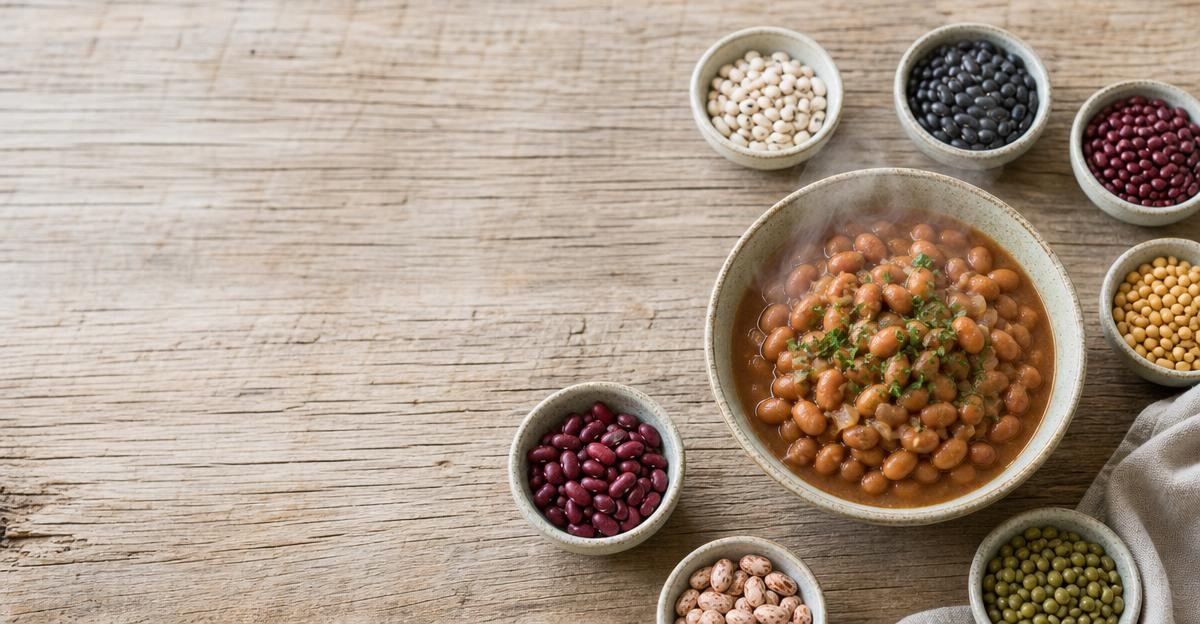
Beans are among the most nutrient-dense staples you can keep in your kitchen. They provide steady energy, complex carbohydrates, plant-based protein, and substantial dietary fiber. Whether you are aiming to support gut health, manage blood sugar, or feel fuller between meals, adding legumes to your weekly routine is one of the most effective habits you can build.
When preparing meals at home, a common question arises: do canned beans deliver the same fiber and nutritional value as dried beans you soak and simmer from scratch?
Understanding the differences between canned and home-cooked beans helps you plan balanced meals, track your intake accurately, and save time without compromising nutrition.
Does Cooking Method Affect Fiber Content?
The short answer is that both canned and home-cooked beans offer nearly identical amounts of dietary fiber. Dietary fiber consists of non-digestible carbohydrates that resist breakdown by human digestive enzymes. Because fiber structures are relatively heat-stable, the standard canning process—which involves sealing beans in water and cooking them under high steam pressure—does not significantly degrade total dietary fiber.
When you look at national nutrient databases such as fdc.nal.usda.gov, one cup of canned black beans generally provides around 15 grams of dietary fiber, while one cup of black beans prepared from dried beans provides roughly 15 to 16 grams. Variations in fiber values between the two are usually down to moisture retention and serving weight rather than any meaningful loss of nutrients during commercial canning.
Both preparations contain a blend of soluble and insoluble fiber:
- Soluble fiber forms a gel-like substance in the digestive tract, slowing digestion, supporting steady blood glucose levels, and binding to dietary cholesterol.
- Insoluble fiber adds bulk to your stool and promotes regular digestive transit.
Whether you cook a large batch of dried chickpeas on Sunday or open a can of kidney beans on a busy weeknight, your digestive system receives the same fundamental benefits.
Nutritional Differences Beyond Fiber
While fiber levels remain stable across both preparation styles, other nutritional factors vary between canned and home-cooked legumes.
Sodium Content
The most noticeable difference is sodium. Commercial canning often uses salt for flavor and preservation. A single half-cup serving of standard canned beans can contain anywhere from 300 to 500 milligrams of sodium. In contrast, beans simmered at home allow you to control the exact amount of salt added.
If you rely on canned options, you can reduce sodium substantially by draining the liquid and rinsing the beans under cold running water for ten to fifteen seconds. Rinsing canned beans removes roughly 35 to 40 percent of the surface sodium without washing away meaningful amounts of fiber. You can also purchase low-sodium or no-salt-added varieties.
Resistant Starch and Digestibility
Resistant starch is a type of carbohydrate that behaves similarly to soluble fiber, passing through the small intestine intact to feed beneficial bacteria in the colon.
Home-cooked beans that are allowed to cool after simmering often develop slightly higher levels of retrograded resistant starch. If you cook dried beans, chill them in the refrigerator, and use them throughout the week in salads or grain bowls, you maximize this prebiotic benefit.
Canning softens bean skins and breaks down certain complex oligosaccharides (the sugars that often cause gas and bloating). For individuals with sensitive digestion, rinsed canned beans can sometimes be easier to tolerate than quickly cooked dried beans.
Micronutrient Retention
Canning subjects legumes to high heat for extended periods. While minerals like iron, magnesium, potassium, and zinc remain intact, some heat-sensitive water-soluble vitamins, such as folate and thiamine, can leach into the canning liquid. If you cook dried beans at home in broths, stews, or soups where the cooking liquid is consumed, you retain all of those leached micronutrients.
Practical Comparisons for Everyday Cooking
Choosing between canned and dried beans usually comes down to time, cost, and texture preferences rather than major nutritional trade-offs.
| Factor | Canned Beans | Cooked from Dried |
|---|---|---|
| Preparation Time | Ready in 1 to 2 minutes | 1 to 8 hours (including soaking) |
| Texture Control | Uniformly tender, sometimes soft | Fully customizable (firm to soft) |
| Cost per Serving | Inexpensive ($0.80–$1.25 per can) | Extremely low ($0.20–$0.40 per serving) |
| Shelf Life | 2 to 5 years in the pantry | 1 to 2 years dried; 4 to 5 days cooked |
| Storage Footprint | Heavier, requires pantry space | Compact storage until cooked |
If you enjoy meal prepping large batches of food, cooking two pounds of dried beans in a pressure cooker or slow cooker gives you firm, flavorful beans for the week at minimal cost. If your schedule is unpredictable, keeping four or five cans of different varieties—such as black beans, cannellini beans, and lentils—ensures you can always assemble a high-fiber meal in under ten minutes.
How to Track Beans in Your Daily Routine
Because beans are both carbohydrate- and protein-rich, tracking them accurately ensures you stay aligned with your daily nutrition targets. Here are a few simple practices to keep your logs consistent:
- Log Cooked Weights, Not Dry: Beans expand by two to three times their volume when cooked. If you log 100 grams of dry black beans instead of 100 grams of cooked beans, your recorded calorie and carbohydrate values will be roughly triple what you actually ate.
- Account for Rinsing: If you rinse canned beans, select the "drained and rinsed" entry in your tracker to ensure the sodium count reflects what is actually on your plate.
- Combine Beans with High-Volume Vegetables: Pairing beans with non-starchy vegetables creates satisfying, nutrient-dense meals. If you are refining your overall tracking routine, exploring whether you should you track non-starchy vegetables can help you decide how granular you need to be with side salads and leafy greens.
- Gradually Increase Portions: If your current diet is relatively low in fiber, adding two full cups of beans per day immediately may lead to temporary bloating or digestive discomfort. Increase your intake by half a cup every few days and drink plenty of water to give your microbiome time to adapt.
When building long-term dietary habits or managing conditions that require dietary adjustments, you can also consult with resources like carenavigator.life or speak directly with a registered dietitian for personalized guidance.
The Bottom Line
When it comes to dietary fiber, canned and home-cooked beans are functional equivalents. Both deliver rich amounts of soluble and insoluble fiber that support satiety, digestive health, and metabolic wellness. Choose canned beans when convenience and speed are your top priorities, and cook from dried when you want complete control over sodium, texture, and cost.
Keeping an accurate record of your nutrition does not require hours in the kitchen or complicated math. You can try Stride to log meals, workouts, and weight in one place, using photo logging and automated nutrient breakdowns to stay consistent with your daily health habits.
Put this into practice with Stride
Log meals, training, weight and sleep in seconds, then get guidance that fits your own numbers.
Try Stride free