
Calories and Nutrients per Cup: Practical Guide
Learn the calories and nutrients per cup for common grains, proteins, fruits, and vegetables to make everyday portion tracking fast and simple.
· 4 min read
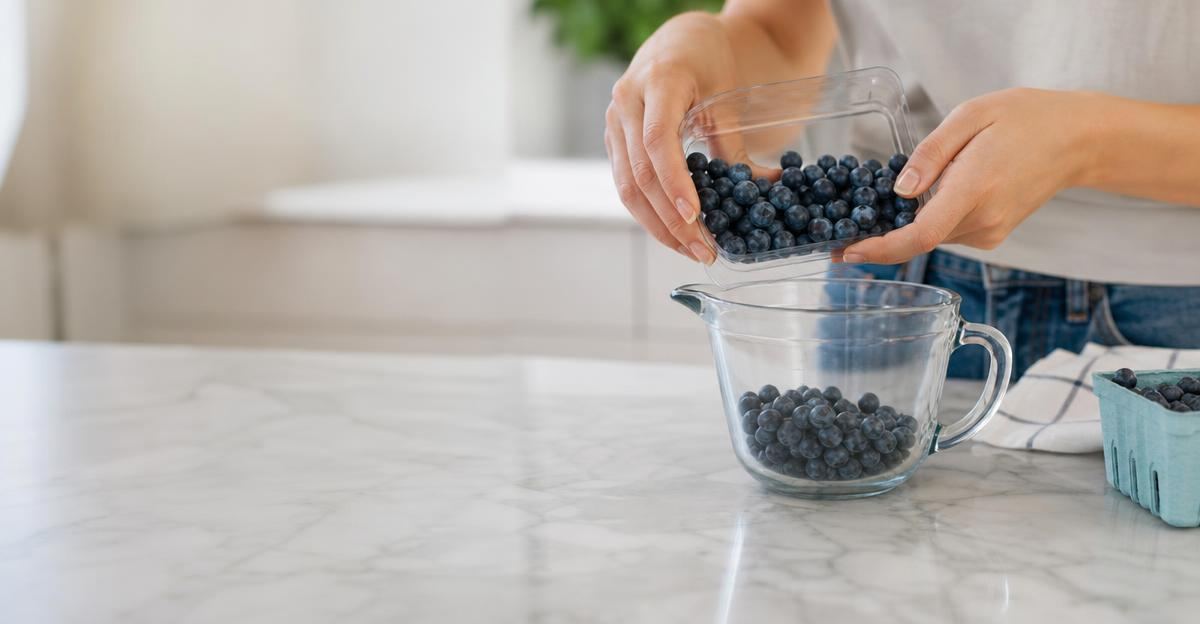
Measuring food with a kitchen scale provides exact numbers, but carrying a digital scale everywhere is neither practical nor necessary. When you cook at home, assemble a quick lunch, or log meals on a busy day, volume measurements like cups are often the standard baseline.
Understanding what calories and nutrients per cup look like across different food categories makes daily tracking significantly easier. Instead of guessing blindly, you can use common volume references to estimate energy density, protein, and carbohydrates with confidence.
Why Volume Density Matters
A cup is a standard unit of volume (8 fluid ounces), but the actual weight and nutritional value inside that cup vary drastically depending on water content, air pockets, and fat composition.
For instance, one cup of raw leafy greens weighs roughly 30 grams and contains fewer than 10 calories, while one cup of cooked white rice weighs around 180 grams and yields over 200 calories. If you are already deciding should you track non-starchy vegetables or focus your attention on calorie-dense staples, understanding these volume distinctions keeps logging fast and realistic.
The USDA FoodData Central database provides comprehensive breakdowns of how staple ingredients measure up by standard volume units, helping you translate everyday serving sizes into reliable macronutrient counts.
Grains and Starches per Cooked Cup
Grains absorb substantial water during cooking, expanding their volume and diluting their caloric density compared to their dry state. When logging cooked grains, a standard measuring cup or a visual equivalent about the size of a baseball provides a dependable benchmark.
- Cooked White or Brown Rice: About 200 to 220 calories, 45 grams of carbohydrates, 4 to 5 grams of protein, and 0.5 to 1.5 grams of fat per cup.
- Cooked Oats: Around 160 calories, 28 grams of carbohydrates, 6 grams of protein, 4 grams of dietary fiber, and 2.5 grams of fat per cup prepared with water.
- Cooked Pasta: Roughly 200 to 220 calories, 40 to 43 grams of carbohydrates, 7 to 8 grams of protein, and 1 gram of fat per cup.
- Cooked Quinoa: Approximately 220 calories, 39 grams of carbohydrates, 8 grams of protein, 5 grams of fiber, and 3.5 grams of fat per cup.
Because starches make up the foundation of many meals, recognizing what a single cup looks like on your standard dinner plate prevents quiet portion creep over time.
Proteins, Dairy, and Legumes per Cup
Protein-dense foods vary widely in density. Solids like chopped chicken breast have air gaps between pieces in a cup, while liquid or semi-solid dairy fills the space completely.
- Diced Cooked Chicken Breast: Around 230 to 250 calories and 40 to 45 grams of protein per cup (roughly 140 grams by weight).
- Cooked Lentils or Black Beans: Approximately 225 to 240 calories, 15 to 18 grams of protein, 40 grams of carbohydrates, and 15 grams of fiber per cup.
- Plain Nonfat Greek Yogurt: About 130 to 140 calories, 22 to 25 grams of protein, and 6 to 8 grams of carbohydrates per cup.
- Whole Milk: Around 150 calories, 8 grams of protein, 12 grams of carbohydrates, and 8 grams of fat per cup.
- Liquid Egg Whites: Roughly 125 calories, 26 grams of protein, and 0 grams of fat per cup.
If you are coordinating family meals or managing specialized dietary schedules alongside a loved one, resources from carenavigator.life offer helpful support for organizing everyday wellness and care routines.
Fruits and Vegetables: Raw vs. Cooked
Vegetables and fruits show the largest variance in nutrient density per cup because cooking collapses cellular structure and removes air.
- Raw Spinach: Less than 10 calories and 1 gram of carbohydrate per cup.
- Cooked Spinach: Around 40 calories, 5 grams of protein, and 7 grams of carbohydrates per cup, because it takes several cups of raw leaves to create one cup cooked.
- Raw Broccoli Florets: Roughly 30 calories, 2.5 grams of protein, and 6 grams of carbohydrates per cup.
- Fresh Berries (Blueberries, Strawberries): Approximately 60 to 85 calories, 15 to 21 grams of carbohydrates, and 3 to 4 grams of fiber per cup.
- Chopped Avocado: About 240 calories, 22 grams of healthy fats, 12 grams of carbohydrates, and 10 grams of fiber per cup.
Understanding whether an entry in your log represents raw or cooked volume is one of the quickest ways to eliminate tracking discrepancies.
Practical Tips for Estimating Cups Without Tools
You do not need to pull out measuring cups for every meal. You can use simple everyday objects to gauge one cup reliably:
- A standard fist: For most adults, a closed fist is roughly equal to one cup (8 fluid ounces) of volume.
- A tennis ball or baseball: Both objects represent just under one cup of volume, making them great references for dry cereal, rice, or fruit.
- Your everyday tableware: Measure one cup of water into your favorite soup bowl or cereal bowl once. Take note of where the liquid level hits the rim. That mental snapshot will serve as a built-in guide whenever you eat at home.
Nutrition needs and portion targets differ based on your activity level, medical history, and personal goals. This guide is for general informational purposes; speak to a clinician or registered dietitian before making significant changes to your diet.
Keep your daily logging simple and accurate without spending extra time in the kitchen. Try Stride to log meals, workouts, and weight in one place.
Put this into practice with Stride
Log meals, training, weight and sleep in seconds, then get guidance that fits your own numbers.
Try Stride free