
Best Food Sources of Vitamin C per Cup
Discover the best food sources of vitamin C per cup. Learn which fruits and vegetables pack the most nutrients and how to preserve them when cooking.
· 4 min read
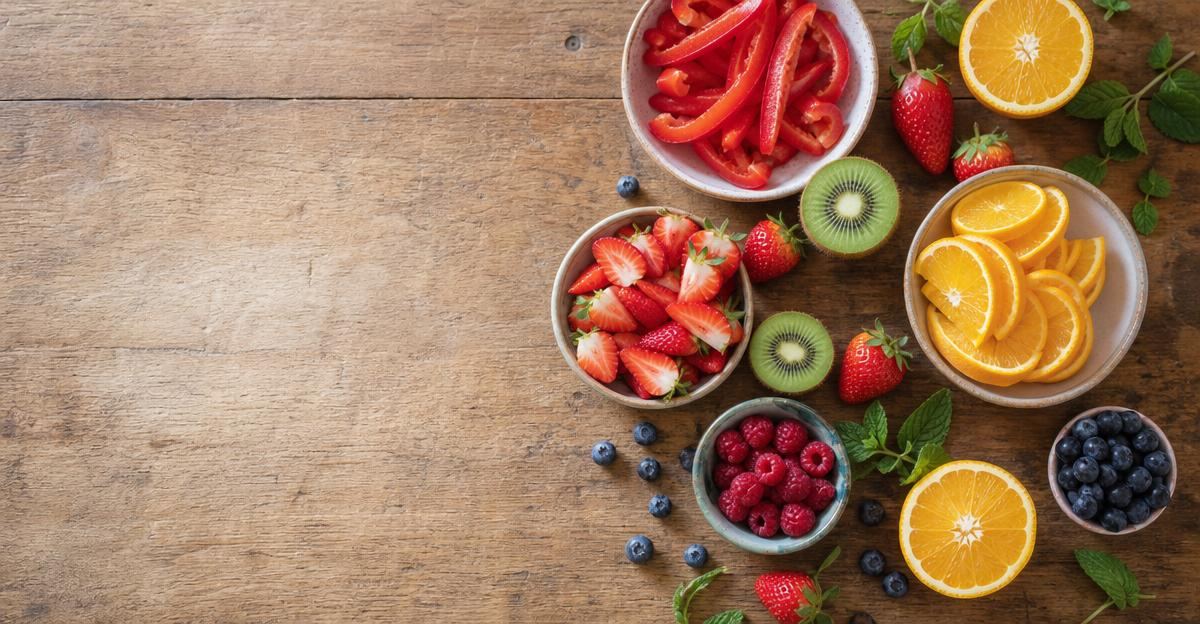
When most people think about vitamin C, oranges usually come to mind first. While citrus is a reliable option, several everyday fruits and vegetables deliver equal or significantly higher amounts per cup.
Understanding the density of this essential micronutrient helps you build balanced meals without needing handfuls of synthetic supplements. Whether you want to support your immune system, improve iron absorption from plant foods, or assist collagen synthesis, looking at whole-food options measured by standard culinary volume makes daily planning simple.
This guide is general nutrition information. If you have specific medical conditions or dietary restrictions, speak with a registered dietitian or your doctor.
Why Whole-Food Vitamin C Matters
Vitamin C, or ascorbic acid, is a water-soluble antioxidant. Because your body cannot produce or store it in meaningful amounts, you need a steady supply from what you eat every day.
Beyond its well-known role in immune health, vitamin C plays a vital structural role. It helps synthesize collagen, which supports blood vessels, cartilage, skin, and tendons. It also enhances non-heme iron absorption from plant foods like beans and spinach.
When you get micronutrients from whole foods rather than high-dose supplements, you also consume dietary fiber, potassium, and a wide array of phytonutrients. If you are already tracking non-starchy vegetables to improve food quality, prioritizing nutrient-dense produce gives you substantial micronutrient coverage with minimal calories.
Top Vitamin C Foods per Cup
Evaluating foods by standard cup measurements makes it straightforward to eyeball portions and log your meals. According to food composition data from the USDA FoodData Central, several common produce items provide well over 100% of the recommended daily intake in a single cup.
1. Sweet Yellow and Red Bell Peppers
Bell peppers are among the richest dietary sources of ascorbic acid available. A single cup of chopped raw red bell pepper provides approximately 190 milligrams of vitamin C, while sweet yellow bell peppers provide even more. Adding chopped bell peppers to morning eggs, lunchtime salads, or evening stir-fries covers your entire daily requirement with ease.
2. Guava
Guava is an absolute standout among fruits. One cup of sliced guava yields around 375 milligrams of vitamin C—more than four times the daily recommended intake for adults. It also provides significant dietary fiber, making it an excellent addition to fruit salads or morning smoothies.
3. Kiwi
Chopped kiwi delivers roughly 135 to 165 milligrams per cup. Eating two whole kiwis or adding a cup of sliced fruit to yogurt offers a sweet, tart flavor profile alongside digestive enzymes and potassium.
4. Strawberries
Berries are often prized for their low sugar and high fiber content, but strawberries are also a potent vitamin C source. One cup of whole or sliced strawberries provides about 85 to 90 milligrams, easily fulfilling your base target for the day.
5. Broccoli and Brussels Sprouts
Cruciferous vegetables hold their own against tropical fruits. A cup of chopped raw broccoli contains roughly 80 milligrams of vitamin C, while a cup of cooked Brussels sprouts offers around 95 milligrams. Lightly steaming or roasting these vegetables preserves much of their nutrient value while improving digestibility.
6. Papaya and Pineapple
A cup of fresh cubed papaya offers about 88 milligrams of vitamin C, along with folate and carotenoids. Pineapple provides roughly 80 milligrams per cup, paired with bromelain, an enzyme that aids protein digestion.
7. Oranges and Grapefruit
Citrus fruits remain dependable staples. A cup of orange segments contains about 95 milligrams of vitamin C. While fresh citrus juice is concentrated, eating the whole fruit gives you the natural fiber needed to slow sugar absorption and keep you full.
How Cooking and Storage Affect Vitamin C
Vitamin C is sensitive to heat, light, and air. Because it dissolves in water and degrades under prolonged cooking, the way you prepare your meals changes how much vitamin C reaches your plate.
To preserve the highest vitamin content in your food:
- Choose gentle cooking methods: Steaming, microwaving, or quick stir-frying preserves far more vitamin C than boiling vegetables in large pots of water, where the nutrient leaches out.
- Eat some produce raw: Including raw bell pepper slices, whole berries, and citrus in your daily routine guarantees you receive the food's full baseline nutrient profile.
- Store properly and eat fresh: Cut fruits and vegetables begin losing ascorbic acid once exposed to oxygen. Store prepped produce in airtight containers in the refrigerator and consume it within a few days. If you coordinate your household shopping or help an older relative manage groceries through carenavigator.life, prioritizing fresh or flash-frozen produce ensures everyone gets top nutritional quality.
Fitting High-Vitamin-C Foods into Your Daily Routine
Meeting your daily micronutrient targets does not require complex meal plans. A simple strategy is to include one high-potency fruit or vegetable with at least two meals each day.
- Breakfast: Add a half-cup of sliced strawberries to oatmeal or blend kiwi into a protein shake.
- Lunch: Toss raw bell pepper strips into a wrap or build a base of dark leafy greens topped with citrus segments.
- Dinner: Roast a side of broccoli or Brussels sprouts with olive oil, salt, and garlic to accompany your protein source.
Building these habits into your lifestyle keeps your nutrition balanced without feeling restrictive.
To make daily consistency effortless, try Stride to log meals, workouts, and weight in one place. By capturing photo logs and tracking your daily habits, you can see how nutrient-dense whole foods support your overall health and energy.
Put this into practice with Stride
Log meals, training, weight and sleep in seconds, then get guidance that fits your own numbers.
Try Stride free