
Setting Up Medication Reminders That Actually Work
Learn how to set up practical medication reminders that work. Combine habit stacking, visual cues, and smart tracking to stay consistent.
· 4 min read
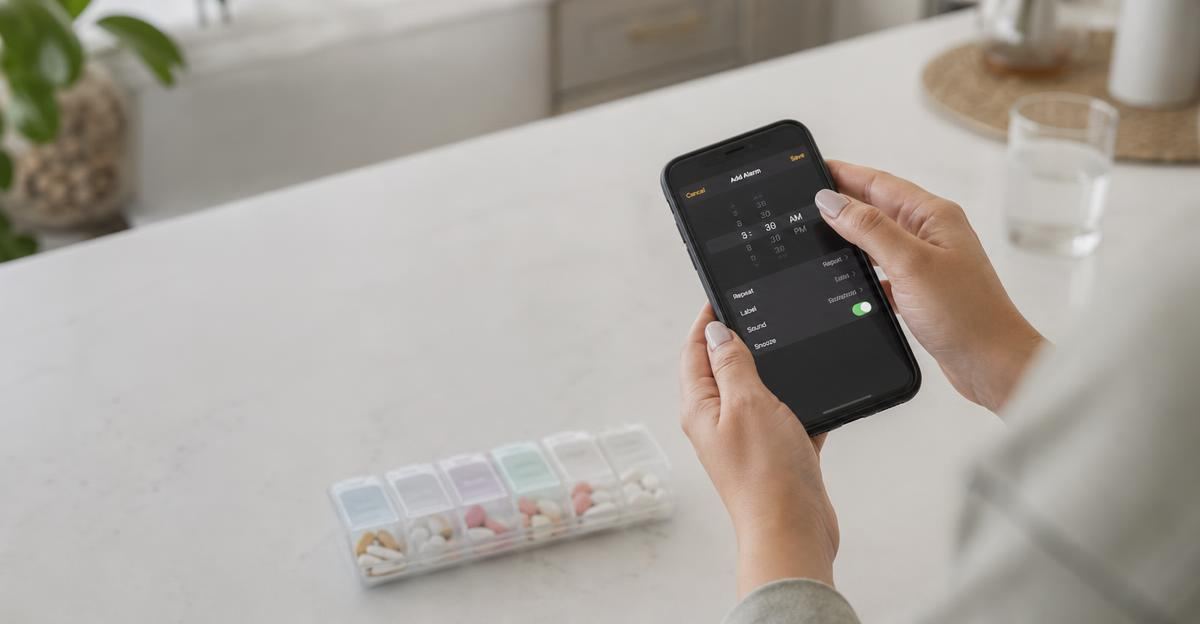
Remembering to take daily medications sounds simple until a busy morning, an irregular work schedule, or travel interrupts your normal flow. When a dose relies purely on memory or a generic phone alarm that goes off while you are in a meeting, it is easy to dismiss the notification and forget to take the pill later.
Building a system that holds up over time requires more than just loud alarms. By pairing practical cues with digital logging, you can create a reliable routine that protects your health. Note that this guide provides general information, so always consult your doctor or pharmacist about specific dosage timing and safe administration practices.
Why Standard Phone Alarms Often Fail
Most people start by setting a repeating alarm on their phone clock. While well-intentioned, this method often fails for three common reasons:
- Alarm Fatigue: When an alarm sounds while your hands are full, you hit snooze or dismiss it with the intention of taking your medication in five minutes. Thirty minutes later, you cannot recall if you took it.
- Lack of Confirmation: A basic alarm only reminds you of the time; it does not record whether the action actually happened.
- Disconnection from Context: Taking pills often requires specific conditions, such as consuming a full meal or drinking a large glass of water. A random afternoon alarm does not account for whether you are prepared to swallow a tablet.
According to the CDC guidance on medication adherence, taking prescribed medications correctly is essential for managing chronic conditions and preventing complications, yet nearly half of all medicines are not taken as directed. Overcoming this gap starts with aligning your cues to your actual environment.
Anchor Medications to Existing Daily Habits
The most effective reminders do not rely on digital chimes alone. They link your dose to an automatic daily action you already perform without thinking. This strategy, known as habit chaining or habit stacking, provides an unavoidable sensory cue.
Look at your existing daily anchors:
- Morning Coffee: If a medication should be taken in the morning with food, keep your weekly organizer near the coffee beans or oatmeal canister.
- Brushing Teeth: For evening doses that do not require food, placing the organizer beside your toothbrush makes the task part of winding down.
- Dinner Cleanup: If you take an evening dose that requires a meal, take it right before sitting down to eat or while clearing plates.
If you are building a structured daily schedule, learning how to set up a morning habit stacking routine can help integrate supplements, hydration, and prescriptions into a seamless start to your day.
Use Visual and Physical Triggers
Digital tools work best when paired with physical organization. If your bottles stay tucked away in a dark medicine cabinet, they remain out of sight and out of mind.
- Use a Multi-Compartment Pill Organizer: Sorting a full week of pills every Sunday afternoon saves time during rushed mornings. More importantly, it provides an instant visual audit: if the Tuesday morning slot is still full at lunch, you know you missed it.
- Keep Backup Doses Accessible: Keep a single labeled daily dose in your work bag, car, or gym locker. If a morning rush forces you out the door before taking your pills, you will not have to skip the day.
- Support for Loved Ones: For older adults managing complex regimens with multiple daily timings, specialized physical organizers or an external medication reminder service can provide critical structure and peace of mind.
Set Up Digital Logging Instead of Passive Alerts
A passive reminder simply beeps, whereas an active tracking system requires you to mark the dose as taken. This simple physical interaction creates a record you can check at any point in the day.
When configuring your digital setup, follow these best practices:
- Do Not Clear the Notification Early: Never swipe away or mark a reminder as complete until the pill is actually swallowed. If the alarm goes off while you are driving, leave the alert active on your lock screen until you reach your destination.
- Schedule Around Realistic Windows: If your schedule varies on weekends, adjust your notifications so you are not receiving 6:30 a.m. alerts when you plan to sleep until 8:00 a.m. Set reminders for a time window when you know you will be near your supplies.
- Log Everything in One Place: Tracking prescriptions alongside your meals, hydration, and daily movement gives you a clearer picture of how your health habits interact. For instance, logging food and medicine together ensures you never accidentally take a pill on an empty stomach when it requires food.
Build a Plan for Disrupted Days
Even the best routines face disruptions from travel, shift changes, or illness. To keep your schedule intact during unusual days, establish a few simple backup rules:
- Set Time Zone Alerts: When traveling across time zones, check with your pharmacist about whether to shift your dose timing immediately or gradually. Keep your phone's reminder app synced to standard intervals rather than local clock times if exact hourly spacing is required.
- Review Refill Dates Proactively: Running out of a prescription abruptly breaks your routine. Set a recurring digital reminder to request refills when you have five to seven days of medication remaining.
- Check In Weekly: Take two minutes every weekend to check your adherence log. If you notice you consistently miss your Thursday evening dose, adjust the timing or move the physical cue to better match your Thursday routine.
A reliable medication routine removes guesswork and mental strain. Pairing clear physical habits with a straightforward digital log ensures you stay consistent every day.
To keep your daily health habits organized, try Stride to log meals, workouts, weight, and daily routines all in one place.
Put this into practice with Stride
Log meals, training, weight and sleep in seconds, then get guidance that fits your own numbers.
Try Stride free