
Salmon Calories: Nutrition Facts and Tracking Guide
Learn the real calorie and fat breakdown of salmon. Compare wild vs. farmed cuts, cooked vs. raw weights, and log your meals accurately.
· 4 min read
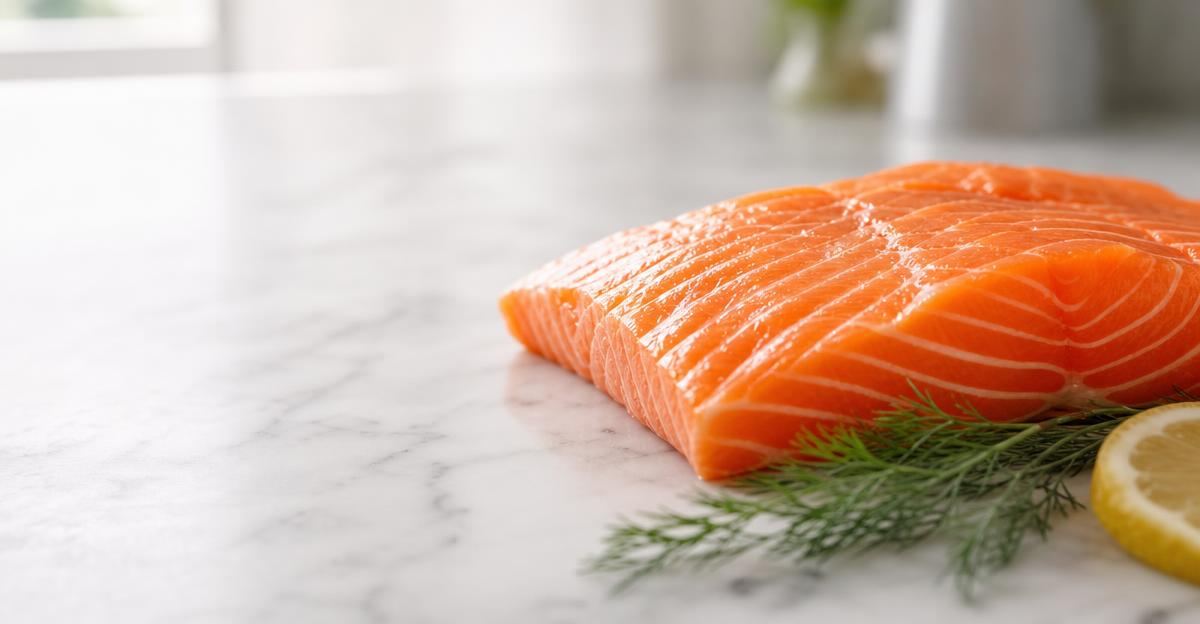
Salmon is a staple in healthy eating routines for good reason. It provides high-quality protein, essential minerals, and omega-3 fatty acids that support heart and metabolic health. Yet when you open your tracking app to log dinner, you might see entries ranging from 150 calories to nearly 300 calories for what looks like the exact same piece of fish.
That variation is not a mistake in the database. Salmon calories fluctuate significantly depending on the species, whether the fish is wild or farmed, the specific cut, and how you prepare it. Understanding these differences takes the guesswork out of your daily nutrition log and keeps your numbers realistic.
Why Salmon Calories Vary Across Species and Sourcing
The primary driver of calorie differences in salmon is fat content. Protein remains relatively steady across varieties—generally between 20 and 25 grams per raw 3-ounce portion—but dietary fat levels change based on the fish's diet, activity level, and species.
According to verified nutritional profiles in the FoodData Central database, wild varieties of salmon are typically leaner than their farm-raised counterparts:
- Wild Atlantic or Pink Salmon: Approximately 120 to 130 calories and 4 to 5 grams of fat per 3-ounce raw fillet.
- Wild Sockeye (Red) Salmon: Approximately 130 to 140 calories and 5 to 6 grams of fat per 3-ounce raw portion. Sockeye has a deeper color and firmer texture due to its natural marine diet.
- Wild King (Chinook) Salmon: Approximately 150 to 170 calories and 9 to 11 grams of fat per 3-ounce raw portion. King salmon is naturally rich in healthy oils.
- Farmed Atlantic Salmon: Approximately 175 to 200 calories and 11 to 13 grams of fat per 3-ounce raw fillet. Farmed varieties have consistent access to feed, resulting in higher marbling and total fat.
None of these options are inherently superior for body composition or wellness. Farmed salmon provides a rich source of calories and heart-healthy polyunsaturated fats, while wild sockeye or pink salmon offers a denser protein-to-calorie ratio if you are managing a tighter energy budget.
Raw vs. Cooked Weight: The Shrinkage Factor
One of the most common tracking pitfalls is logging cooked salmon using raw database entries. When you bake, grill, or pan-sear a fillet, water evaporates while the protein and fat remain concentrated.
A 6-ounce raw fillet of farmed salmon typically shrinks to about 4.5 to 5 ounces once cooked.
- If you weigh 5 ounces of cooked fish and log it as "5 oz raw salmon," you will underestimate your meal by roughly 40 to 60 calories.
- If you log cooked salmon, make sure your search entry explicitly states "cooked," "baked," or "pan-broiled."
When you prepare a large batch of meals in advance, understanding how raw ingredients transform makes logging faster. If you want a smoother workflow for your meal prep, learning how to track multi-ingredient home-cooked meals fast can help you log entire dishes without weighing every cooked piece individually.
Accounting for Cooking Oils and Skin
Beyond the meat itself, two components often distort salmon calorie counts: the skin and the cooking medium.
1. The Skin
Salmon skin contains a high concentration of fats. Eating a 6-ounce cooked fillet with the crispy skin intact can add 40 to 70 calories compared to eating only the flesh. If you prefer eating the skin, choose a database entry that specifies "with skin," or add a small entry for healthy fats.
2. Added Oils and Butter
Salmon naturally releases oil as it cooks, meaning it requires minimal added fat in a non-stick pan or on the grill. However, if you coat the fillet in a tablespoon of olive oil or melt butter over it while basting, you are adding 100 to 120 calories of cooking fat. Be sure to log cooking oils separately unless you use an oil-free method like poaching, air-frying, or parchment baking.
Fitting Salmon into Your Daily Routine
Salmon works well across almost every dietary preference, whether you follow a balanced macro split, a Mediterranean pattern, or a lower-carbohydrate protocol. Its combination of protein and healthy fats promotes fullness, helping stabilize hunger between meals.
If you are coordinating specific dietary adjustments alongside medical therapies, checking with a clinician or consulting resources on medical.life can ensure your nutrition plan aligns with your broader wellness objectives.
For general tracking, you do not need to stress over minor daily fluctuations. Aim for consistency: select the correct species (farmed vs. wild), note whether you weighed it raw or cooked, and remember to account for cooking oils.
Tracking your meals, movement, and daily habits should be straightforward and stress-free. Download Stride to effortlessly log your meals, track your workouts, and monitor your weight trends all in one place.
Put this into practice with Stride
Log meals, training, weight and sleep in seconds, then get guidance that fits your own numbers.
Try Stride free