
Pomegranate Seed Calories: Nutrition and Tracking Guide
Learn the exact calorie and nutrition breakdown of pomegranate seeds, how they compare to juice, and simple ways to log them in your daily routine.
· 4 min read
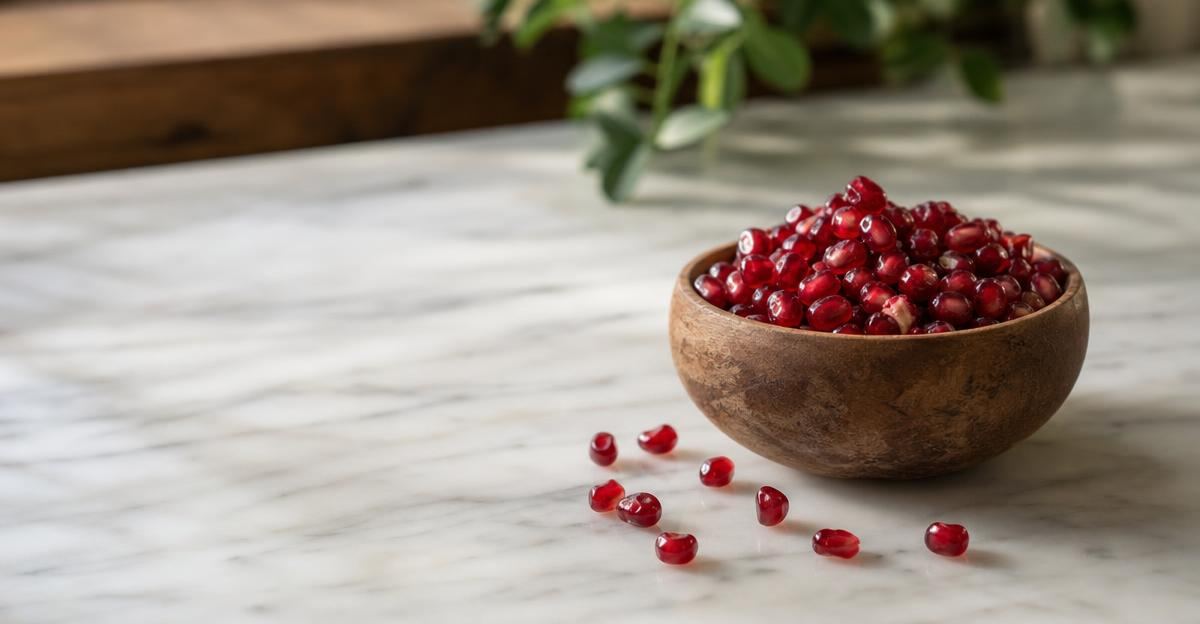
Pomegranate seeds—technically known as arils—bring bright color, crunch, and tart sweetness to salads, yogurt bowls, and roasted dishes. When you are paying close attention to your daily energy balance, knowing how these vibrant jewel-like seeds fit into your targets makes meal planning much simpler.
Tracking fruit can occasionally feel confusing because natural sugar and fiber vary significantly depending on the serving style. Here is a clear breakdown of pomegranate seed calories, their macronutrient profile, and practical ways to log them accurately.
Pomegranate Seed Calories and Nutrition Facts
A standard half-cup serving of fresh pomegranate arils (about 87 grams) contains roughly 72 calories. If you eat a full cup (around 174 grams), you are looking at approximately 144 calories.
According to data compiled in the USDA FoodData Central database, a half-cup serving of pomegranate seeds provides:
- Calories: ~72 kcal
- Carbohydrates: ~16 g
- Dietary Fiber: ~3.5 g
- Sugars: ~12 g
- Protein: ~1.5 g
- Fat: ~1 g
The seeds inside the translucent ruby juice sacs provide the majority of the fiber. Unlike strained pomegranate juice, eating whole arils gives you both the juice and the edible seed core. This combination slows digestion and helps support steady energy levels throughout the afternoon.
Arils vs. Juice: Why the Difference Matters
It is easy to assume that drinking pomegranate juice offers the same nutritional profile as eating whole seeds, but their macronutrient makeup differs considerably.
When pomegranates are pressed into juice, the fibrous seed structure is filtered out. A half cup of pure pomegranate juice contains around 67 to 75 calories—similar to the arils—but provides almost zero dietary fiber. Without fiber to slow absorption, liquid calories digest quickly, leading to faster rises in blood sugar.
When you eat whole arils, the 3.5 to 7 grams of fiber per serving promote fullness and gut health. For everyday nutrition and weight management, opting for whole seeds over bottled juice usually leaves you feeling far more satisfied for the same caloric investment.
How to Portion and Track Pomegranate Seeds
Pomegranate seeds are often used as a garnish or topping rather than eaten by the bowlful. Because an entire fruit can yield between three-quarters of a cup and a full cup of arils, a casual sprinkle can add up faster than you might think.
Here are three simple ways to portion and track them:
1. By the Tablespoon (Garnish Sizing)
If you toss a small handful over oatmeal, chia pudding, or a dinner salad, estimating by the tablespoon is quick. One level tablespoon of arils is about 11 calories. Two tablespoons add roughly 22 calories and 1 gram of fiber.
2. By Volume (Snack Bowls)
If you enjoy arils as a standalone snack, measuring with a standard dry measuring cup keeps entries precise. A quarter-cup serving is about 36 calories, while a half-cup sits right at 72 calories.
3. By Weight (Most Accurate)
Placing your bowl on a digital kitchen scale and hitting tare before scooping is the most consistent method. Look for roughly 87 grams for a half-cup portion. Weighing avoids discrepancies caused by air pockets between the seeds in a measuring cup.
If you are already balancing your daily carbohydrates or tracking your greens, learning how to track multi-ingredient home-cooked meals fast ensures garnishes like seeds and nuts do not slip through the cracks.
Easy Ways to Add Pomegranate Seeds to Your Routine
You do not need complicated recipes to incorporate pomegranate seeds into balanced meals. Their natural acidity cuts through rich flavors, while their sweetness balances bitter greens.
- High-protein breakfasts: Stir two tablespoons of arils into plain Greek yogurt or cottage cheese for crunch without needing sugary syrups.
- Grain and vegetable bowls: Mix seeds into warm quinoa, farro, or roasted Brussels sprouts.
- Winter salads: Pair arils with dark leafy greens like baby kale or arugula, goat cheese, and toasted walnuts.
- Hydration upgrade: Drop a spoonful of seeds into sparkling water with a sprig of fresh mint for a refreshing low-calorie drink.
For older adults or individuals receiving ongoing dietary support at home through visiting doctor services, incorporating soft, nutrient-dense fruits like pomegranate arils can be an easy way to boost daily micronutrient variety.
Keeping Nutrition Tracking Simple
Tracking individual fruits like pomegranate seeds does not need to feel tedious. The goal is simply to build awareness of your daily energy intake, dietary fiber, and nutrient balance so you can support your fitness and health goals sustainably.
Stride makes logging whole foods and complex recipes effortless. With Stride, you can quickly snap a photo of your meal, log workouts, monitor daily steps, and track your weight trends all in one clean, unified space.
Put this into practice with Stride
Log meals, training, weight and sleep in seconds, then get guidance that fits your own numbers.
Try Stride free