
Peach Calories and Nutrients: Fresh vs. Canned
Compare fresh vs. canned peach calories, sugar, and nutrients. Learn how packing liquids affect nutrition and how to log both accurately.
· 3 min read
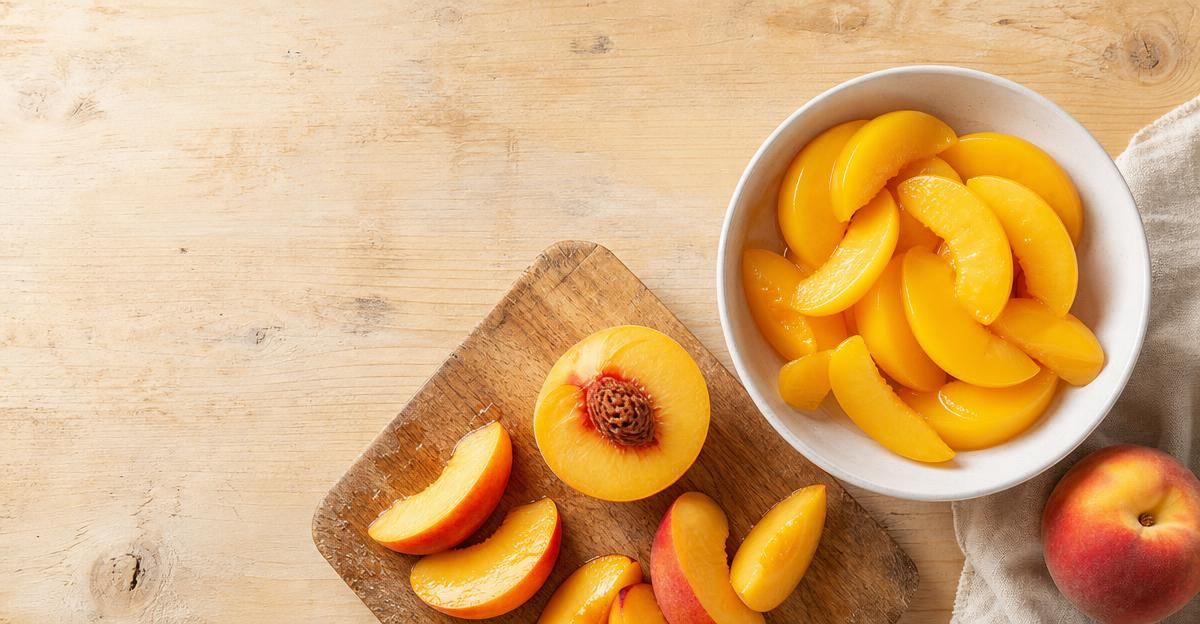
Peaches are a summer staple, but when fresh fruit goes out of season or your schedule gets busy, canned peaches offer an easy way to keep fruit in your routine. Many people wonder whether reaching for a can compromises their nutrition goals or quietly adds unnecessary calories to their daily log.
The short answer is that both options provide meaningful nutritional value, but their caloric density, sugar content, and micronutrient profiles shift depending on how the fruit is packaged and prepared.
Fresh Peaches: Whole Nutrition and Hydration
A medium fresh peach (about 150 grams) delivers roughly 60 calories, 14 grams of carbohydrates, 2 grams of dietary fiber, and about 1 gram of protein. Because fresh peaches are more than 85 percent water, they provide natural volume that helps you feel satisfied without taking up a large portion of your daily calorie target.
Fresh peaches also provide a solid dose of vitamin C, potassium, and carotenoids such as beta-carotene and lutein. These antioxidants support cellular health, skin integrity, and immune function. Eating the edible skin contributes extra insoluble fiber, which promotes steady digestion and helps moderate blood sugar response after meals.
If you are mindful of your daily carbohydrate intake or managing blood glucose, fresh peaches fit neatly into most meal plans. Keep in mind that this is general nutrition information; if you manage a specific metabolic condition, speak with a registered dietitian or clinical care team about your target ranges.
Canned Peaches: Liquid Medium Makes the Difference
Canned peaches are picked at peak ripeness and heat-processed quickly, which locks in much of the fruit's baseline nutrition. Minerals like potassium and fat-soluble compounds such as vitamin A and carotenoids remain remarkably stable during the canning process.
However, the total calorie and sugar content of canned peaches depends almost entirely on the liquid inside the can:
- Packed in water or 100% fruit juice: A one-cup serving contains approximately 60 to 110 calories. Varieties packed in water closely mirror fresh peaches in sugar and caloric load.
- Packed in light syrup: A one-cup serving averages around 130 to 150 calories, with roughly 30 to 35 grams of total carbohydrates due to added sugars.
- Packed in heavy syrup: A one-cup serving can easily reach 190 to 200 calories and exceed 45 grams of sugar, nearly tripling the calorie density of fresh fruit.
For detailed nutrient breakdowns across different preparations, the USDA FoodData Central database provides comprehensive laboratory analyses for raw and processed fruits.
Heat processing during canning does reduce heat-sensitive nutrients, particularly vitamin C and certain B vitamins. On the other hand, the thermal processing softens the fruit's cell walls, which can make certain carotenoids slightly easier for your body to absorb.
How to Fit Canned Peaches Into Your Routine
If fresh peaches are unavailable, canned fruit can still support your health habits when chosen thoughtfully. Here is how to make the most of canned varieties:
- Check the label for the packing liquid. Look for cans marked "in 100% juice" or "in water" to avoid unwanted syrups.
- Rinse syrup-packed fruit if necessary. If only syrup-packed options are in your pantry, placing the peach slices in a colander and rinsing them under cold water for 30 seconds removes a meaningful amount of the surface sugar.
- Pair with protein or healthy fats. Combining canned or fresh peaches with Greek yogurt, cottage cheese, or a handful of walnuts slows gastric emptying, improving satiety and steadying energy levels.
- Log your portion accurately. A common pitfall when tracking canned fruit is logging it as raw fruit. Be sure to note whether you consumed the surrounding juice or syrup, as liquid calories add up quickly.
Learning how to track multi-ingredient home-cooked meals fast helps ensure that whether you add fresh slices to morning oatmeal or stir canned fruit into a post-workout smoothie, your log reflects what you actually ate.
The Bottom Line
Fresh peaches offer unmatched hydration, crisp texture, and slightly higher vitamin C levels with fewer calories per serving. Canned peaches deliver consistent convenience, longer shelf life, and solid mineral content, provided you watch out for heavy syrups.
Both options can support a balanced lifestyle. The best choice is the one that fits your budget, seasonal availability, and personal preferences while keeping you consistent with your daily nutrition.
To take the guesswork out of logging fruit, snacks, and home-cooked dishes, try Stride to log meals, workouts, and weight in one place.
Put this into practice with Stride
Log meals, training, weight and sleep in seconds, then get guidance that fits your own numbers.
Try Stride free