
Papaya Calories, Nutrition, and Portions Explained
Learn the exact calories, macros, and nutrition breakdown of fresh papaya, plus practical tips for accurate portion logging.
· 4 min read
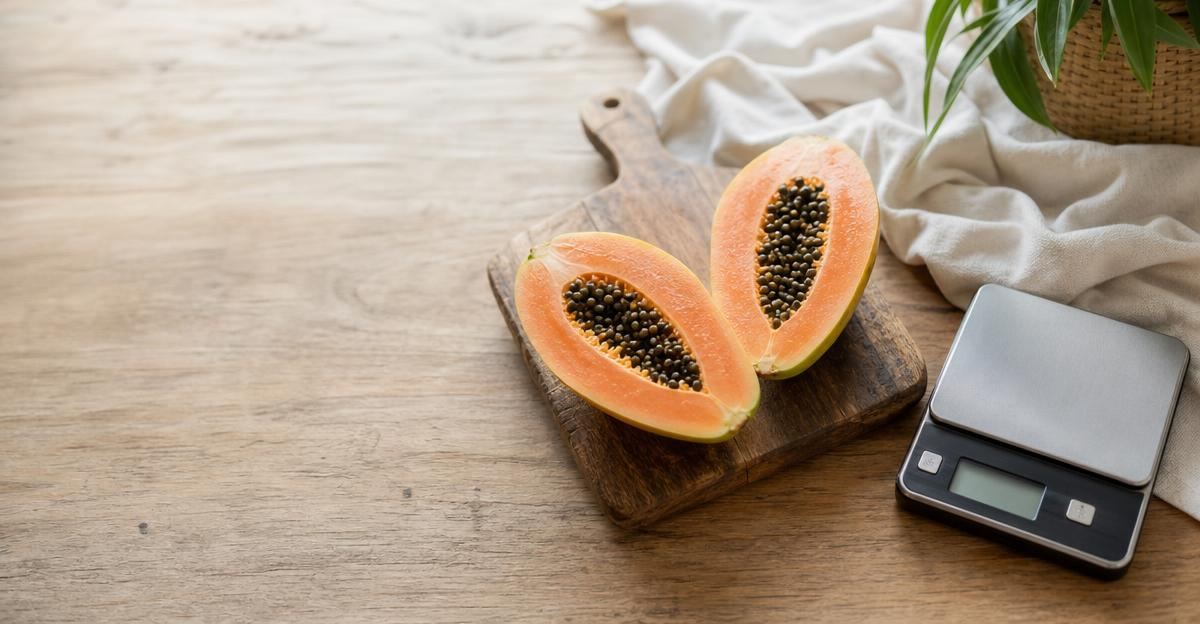
When you are tracking your food, tropical fruits can sometimes feel like a wild card. Some, like bananas or mangoes, pack a noticeable amount of carbohydrates and calories into modest portions. Others provide significant volume and hydration with a much lighter energy footprint.
Papaya falls firmly into the second category. With its vibrant orange flesh, sweet taste, and rich texture, it often feels more indulgent than its actual numbers suggest. Whether you enjoy it sliced at breakfast, blended into a post-workout smoothie, or tossed into a salad, understanding its nutritional profile helps you log it quickly and keep your daily totals on track.
The Calorie and Macronutrient Breakdown of Papaya
Papaya is composed mostly of water—nearly 88% by weight. Because of that high water content, it has a low calorie density, making it an excellent option when you want a satisfying, filling portion without eating into a large share of your daily energy budget.
According to standard nutritional profiles in the USDA FoodData Central database, a standard 1-cup serving of fresh raw papaya cubes (about 145 grams) provides:
- Calories: ~62 kcal
- Protein: ~0.7 g
- Fat: ~0.4 g
- Total Carbohydrates: ~15.7 g
- Dietary Fiber: ~2.5 g
- Natural Sugars: ~11.3 g
If you are eating a small whole papaya (roughly 150 to 160 grams of edible flesh after peeling and seeding), the numbers remain quite modest, landing right around 65 to 70 calories. A larger Hawaiian or Mexican papaya can yield several hundred grams of fruit, so portion estimation matters if you are eating straight from a large prep bowl.
Micronutrients and Digestive Enzymes
Beyond calories and macronutrients, papaya offers several notable micronutrient benefits:
High Vitamin C and Provitamin A
A single cup of fresh papaya provides more than your entire daily recommended intake of vitamin C, alongside significant amounts of beta-carotene, which your body converts to vitamin A. These antioxidants support immune function, collagen synthesis, and skin health.
Papain and Digestion
Papaya contains a naturally occurring proteolytic enzyme called papain, which helps break down proteins into smaller peptide fragments. While it is not a medical treatment for digestive disorders, many people find that including fresh papaya with higher-protein meals makes digestion feel smoother and reduces post-meal heaviness.
Folate and Potassium
Papaya also delivers modest amounts of potassium and folate, contributing to electrolyte balance and general cellular function without adding unwanted sodium or saturated fat.
Common Ways to Prepare Papaya (and How Calories Shift)
The raw fruit itself is naturally low in calories, but the way you prepare or purchase it can change the math quickly.
| Form | Typical Serving | Approximate Calories | Tracking Notes |
|---|---|---|---|
| Fresh Cubed Papaya | 1 cup (145 g) | ~62 kcal | Baseline raw fruit. Mostly water and natural sugars. |
| Half a Small Papaya | ~150 g edible flesh | ~65 kcal | Easy visual benchmark for breakfast plates. |
| Dried or Candied Papaya | 1.5 oz (42 g) | ~140–160 kcal | Water is removed and sugar is often added; calorie density increases significantly. |
| Papaya Smoothie | 12 fl oz | ~180–300+ kcal | Depends heavily on mix-ins like yogurt, milk, protein powder, or honey. |
| Green Papaya (Salad) | 1 cup shredded | ~40 kcal | Unripe papaya has less sugar, but watch out for dressings with added oils or peanuts. |
If you regularly prepare complex meals at home that combine raw fruit, grains, and proteins, learning how to track multi-ingredient home-cooked meals fast can save you time and keep your logs accurate.
Practical Tips for Logging Papaya
When logging papaya in your daily nutrition routine, keep these simple guidelines in mind:
- Measure edible flesh only: If you weigh your fruit with a digital scale, weigh it after scooping out the black seeds and trimming away the outer skin. Alternatively, weigh the whole fruit first, discard the peel and seeds onto the scale plate, and subtract the waste.
- Beware of dried versions: Dried papaya slices sold in snack aisles are frequently coated in cane sugar to preserve color and enhance sweetness. Always check the package label or scan the barcode rather than using raw fruit entries.
- Use visual cues when dining out: A 1-cup serving of cubed papaya is roughly the size of a standard baseball or a loosely clenched fist.
Supporting Your Broader Daily Nutrition
Papaya is a nutrient-dense, refreshing addition to almost any eating pattern. Whether you are managing body weight, trying to increase your daily fiber intake, or simply adding more colorful whole foods to your plates, its balance of volume, water, and micronutrients makes it easy to fit into your goals.
For comprehensive support managing nutrition alongside chronic conditions or medication schedules, consulting resources at dr.life or speaking with a registered dietitian can provide personalized guidance.
To make daily consistency effortless, try Stride to log meals, workouts and weight in one place. With photo meal logging and clear daily summaries, you can capture whole foods like fresh papaya in seconds.
Put this into practice with Stride
Log meals, training, weight and sleep in seconds, then get guidance that fits your own numbers.
Try Stride free