
Kiwi Calories: Nutrition Facts and Tracking Guide
Learn the exact calorie and nutrition breakdown of green and gold kiwi, health benefits, skin-eating tips, and how to track it accurately.
· 4 min read
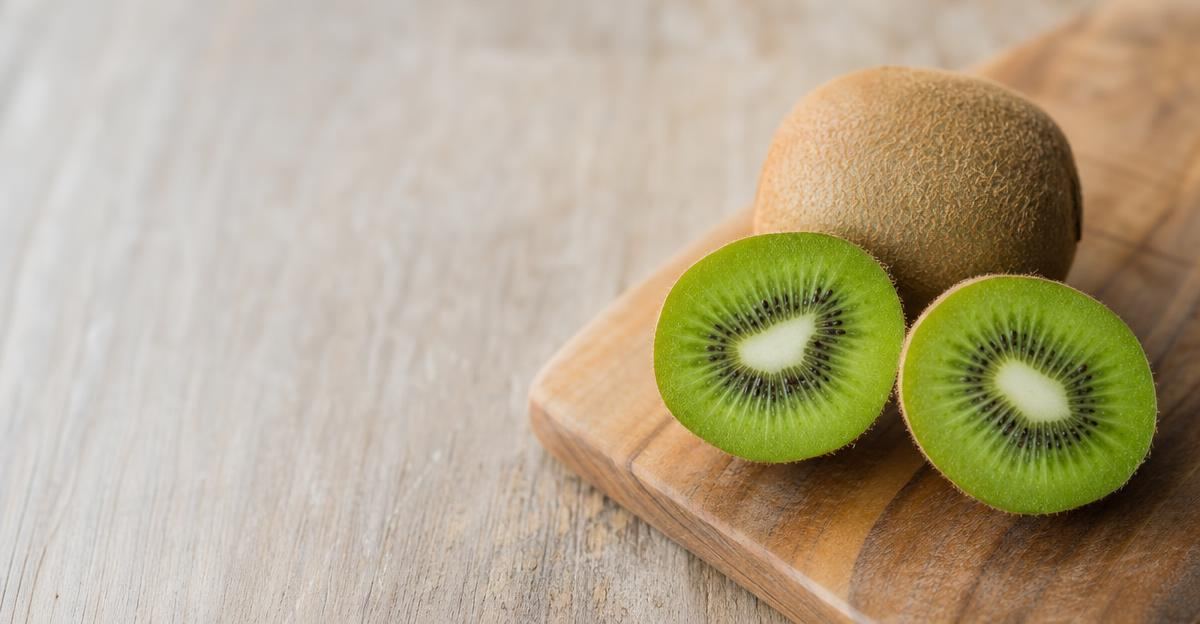
When you are tracking daily nutrition, fruit can sometimes feel tricky to estimate. Some fruits pack significant carbohydrates into small volumes, while others offer generous volume for very few calories. Kiwi sits comfortably in the second category. It delivers high nutrient density, refreshing tart sweetness, and a remarkably modest energy cost.
Understanding kiwi calories and its overall nutritional profile helps you log your snacks accurately and make intentional choices that support your energy, digestion, and daily targets.
How Many Calories Are in a Kiwi?
The calorie count of a kiwi depends primarily on its size and variety, though the differences across common commercial types are small.
According to the USDA FoodData Central database, a standard medium green kiwi (about 75 grams peeled) contains approximately 42 calories. If you eat a larger fruit weighing closer to 90 grams, the energy content rises to about 50 to 55 calories.
Here is what the macronutrient breakdown looks like for an average medium green kiwi:
- Calories: 42 kcal
- Carbohydrates: 10 g
- Dietary Fiber: 2.1 g
- Sugars: 6.7 g
- Protein: 0.8 g
- Fat: 0.4 g
If you prefer golden kiwis (often sold as SunGold), they tend to be slightly sweeter and marginally higher in natural sugars. A medium gold kiwi typically provides about 45 to 50 calories, with slightly more vitamin C and slightly less dietary fiber than its green counterpart.
Micronutrient Density: What You Get for the Calories
Kiwi punches well above its weight class when it comes to vitamins and minerals. Because it is roughly 83% water by weight, it provides satisfying volume while remaining low in energy density.
A single medium kiwi delivers over 60 milligrams of vitamin C, meeting most of your daily baseline requirement in just a few bites. It is also an excellent source of vitamin K, which plays a central role in bone health and blood clotting, and provides modest amounts of potassium, folate, and vitamin E.
For anyone who experiences digestive sluggishness, green kiwi contains an enzyme called actinidin. Actinidin helps break down dietary proteins in the stomach and small intestine, aiding digestive comfort. When paired with its prebiotic fiber content, incorporating kiwi into your morning or afternoon routine can gently support regular bowel motility. If you ever have persistent digestive discomfort or questions about specific dietary sensitivities, speak to a clinician or registered dietitian to review your individual needs.
Should You Eat the Skin?
Most people slice a kiwi in half and scoop out the flesh with a spoon, or peel it with a paring knife. However, the fuzzy skin of a green kiwi—and the smooth skin of a golden kiwi—is completely edible.
Eating the skin nearly doubles the fiber content of the fruit and adds extra antioxidant compounds like vitamin E. It adds virtually no extra calories, making it an efficient way to boost your daily fiber intake without altering your macro budget. If the texture of green kiwi fuzz is unappealing, simply scrub the skin under cool water with a produce brush or kitchen towel before eating, or opt for smooth-skinned gold kiwis.
Fitting Kiwi Into Your Daily Macros
Because kiwi is naturally portion-controlled by the fruit itself, it makes an ideal addition to several daily eating patterns:
- Pre-Workout Fuel: The simple carbohydrates in kiwi digest quickly without weighing you down. Eating one or two kiwis 30 minutes before training offers accessible energy.
- Evening Craving Control: If you want something sweet after dinner, a sliced kiwi provides natural sweetness alongside water and fiber, keeping your overall evening intake steady.
- High-Volume Breakfast Bowls: Pair sliced kiwi with plain nonfat Greek yogurt or cottage cheese. The tartness balances the dairy, adding volume and flavor without excessive calories.
Just as learning how to track multi-ingredient home-cooked meals fast keeps your logging routine manageable, knowing standard single-item estimates for fruits like kiwi eliminates guesswork during busy afternoons.
Practical Ways to Log Kiwi Accurately
When logging kiwi in your tracker, precision comes down to whether you weigh your food or count individual units.
For everyday maintenance and general wellness, logging "1 medium kiwi" is usually accurate enough. A variance of 5 to 10 calories between small and large fruits will not disrupt your weekly progress.
However, if you are working within tight calorie margins or managing blood glucose levels, weighing the edible portion in grams gives you exact numbers. Simply place your bowl on a digital kitchen scale, zero it out, and slice the fruit directly into the dish.
If you manage a broader wellness routine or coordinate nutrition tracking alongside loved ones, tools from carenavigator.life can help organize family health resources and care routines.
Track Your Nutrition Effortlessly With Stride
Keeping tabs on your daily calories, fiber, and micronutrients does not have to feel like a chore. With Stride, you can snap a quick photo of your snack, log your workouts, track your scale trends, and monitor your daily habits in one clean, simple dashboard. Try Stride today to bring your meals, activity, and progress together effortlessly.
Put this into practice with Stride
Log meals, training, weight and sleep in seconds, then get guidance that fits your own numbers.
Try Stride free