
How to Track Liquid Medications and Syrups Accurately
Learn how to measure and track liquid medications and syrups accurately using proper tools, metric units, and consistent daily logging habits.
· 4 min read
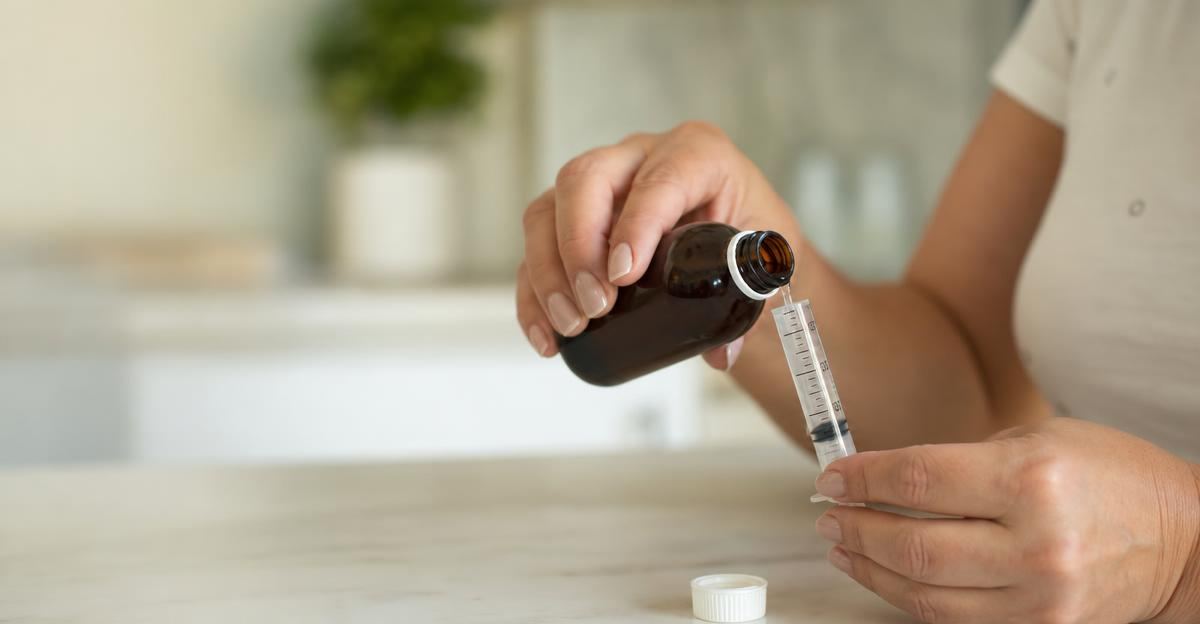
When we think about logging our daily prescriptions or over-the-counter supplements, we usually picture swallowing a tablet or capsule. Solid pills are straightforward: you take one or two, check the box, and move on with your day. Liquid medications, syrups, and suspensions introduce a very different challenge.
Whether you are managing a short course of an antibiotic syrup, taking daily liquid allergy medicine, or measuring a specialized prescription solution, measuring liquids requires physical precision. A small error in how you pour or measure can mean taking significantly more or less active ingredient than intended. Understanding how to measure these doses and keep a reliable digital record makes staying on schedule much simpler.
Why Liquid Dosing Errors Happen
Measuring liquids can feel deceptively casual, especially if you reach for whatever utensil happens to be in your kitchen drawer. A standard kitchen teaspoon is designed for eating and cooking, not pharmaceutical dosing. Depending on its design and depth, a household teaspoon can hold anywhere from 2 to 10 milliliters of liquid. Using kitchen cutlery makes it nearly impossible to deliver a consistent dose.
Another common issue comes from confusion over units of measurement. Prescription labels and liquid packaging often switch between milliliters (mL), teaspoons (tsp), tablespoons (tbsp), and fluid ounces. According to guidance on safe medication administration practices from the Centers for Disease Control and Prevention, using metric units like milliliters is the most reliable way to avoid accidental underdosing or overdosing.
Finally, physical liquid dynamics matter. Many liquid medications are suspensions rather than clear solutions. In a suspension, the active drug particles settle at the bottom of the bottle over time. If you do not shake the bottle thoroughly before measuring, the liquid at the top may have very little active ingredient, while the liquid at the bottom becomes overly concentrated.
Choosing and Using the Right Measuring Tools
To ensure your tracking reflects what you actually consumed, start with a purpose-built measuring device. Most pharmacies provide one upon request, or the medication will come packaged with its own tool.
- Oral syringes: These are the gold standard for accuracy, especially for smaller doses under 10 mL. An oral syringe allows you to draw up exact amounts without surface tension causing liquid to spill over the edge.
- Dosing cups: Useful for larger volume doses (15 to 30 mL), but they require good lighting. Place the cup on a flat, level surface and bring your eyes down to eye level rather than holding the cup up in the air.
- Dosing spoons or droppers: Great for specific viscous syrups or pediatric drops, provided they feature clear metric line markings.
When measuring with a syringe or clear cup, look for the bottom of the curve formed by the liquid surface—known as the meniscus. Aligning the bottom of that curve with your target milliliter marking ensures you have the exact intended volume.
Best Practices for Logging Liquid Meds
Once you have your measurement routine down, logging the intake accurately keeps your health history complete. Here are four practical habits to build:
1. Log by Milliliters, Not Generic Units
When you record your intake in your daily health journal or tracker, note the specific milliliter volume rather than "one spoonful" or "half a cup." If your doctor or pharmacist asks about your regimen later, having exact metric amounts removes any guesswork.
2. Note the Concentration on the Bottle
Liquid medications are labeled with a concentration—such as 250 mg per 5 mL. If you switch brands or your pharmacy changes suppliers, the concentration might shift even if the volume feels familiar. Keeping a note of the concentration alongside your volume ensures your actual drug intake matches your clinician's guidance.
3. Track Timing Alongside Meals
Some syrups should be taken on an empty stomach, while others absorb better—or cause less stomach upset—when taken with food. When you learn how to track medications and daily habits together, you can easily see whether taking your dose before breakfast or after dinner yields fewer side effects.
4. Record Missed or Spilled Doses Realistically
If you accidentally spill part of a dose or vomit shortly after swallowing a liquid suspension, make a neutral note in your log. Never double up on your next scheduled dose without consulting your pharmacist or doctor, as taking extra medication can lead to adverse events.
Managing Complex Schedules at Home
As routines evolve and prescriptions change over time, staying organized becomes essential. Many households manage multiple active prescriptions, vitamins, and supplements simultaneously. As discussed in recent insights on how medication complexity is rising, keeping a clear, centralized schedule protects against accidental double-dosing or missed timing windows.
If you ever feel unsure about how to measure a specific liquid prescription, whether a bottle needs refrigeration, or what to do if you miss a dose, reach out directly to your pharmacist. This information is general health guidance, and your care team can give you personalized instructions tailored to your specific medication.
Bringing Your Daily Health Data Together
Tracking liquid medications does not need to feel like an isolated chore. When your medication schedule lives in the same place as your daily meals, workouts, hydration, and sleep patterns, you get a full, clear picture of your overall well-being.
Try Stride to log meals, workouts, and weight in one place, making it simple to manage all your daily health habits without extra friction.
Put this into practice with Stride
Log meals, training, weight and sleep in seconds, then get guidance that fits your own numbers.
Try Stride free