
How to Track Body Measurements for Non-Scale Victories
Learn how to measure your body accurately for non-scale victories. Simple techniques for waist, hips, and limbs to track real recomposition.
· 4 min read
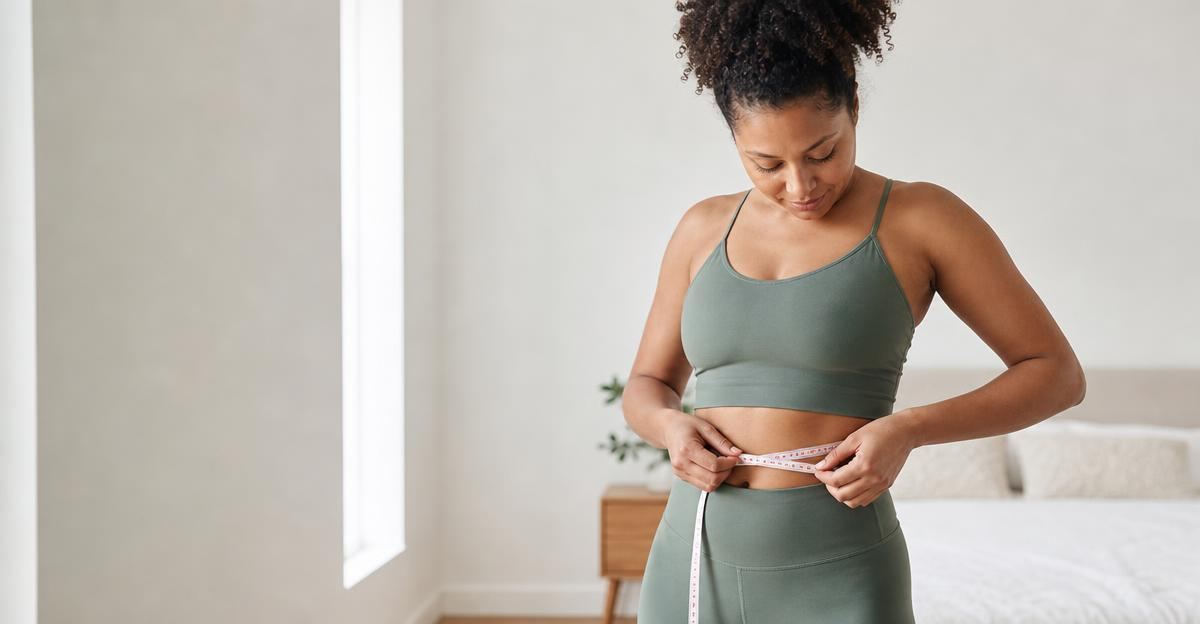
When you make changes to your nutrition and activity habits, stepping on the bathroom scale is often the first instinct. Yet the scale only reflects total gravitational pull—it cannot tell the difference between fat loss, muscle growth, digestive contents, or water retention.
If your weight stays flat while your clothes fit looser and your energy climbs, you are experiencing what many call non-scale victories. Tracking your physical circumferences gives you an objective, reliable way to document body recomposition that a standard scale misses completely.
Here is how to set up an accurate measurement routine, avoid common measuring mistakes, and interpret the numbers alongside your broader wellness habits. Note that this guide provides general health information; if you are managing a medical condition, speak to a clinician about the right tracking markers for your situation.
Why Circumference Matters More Than Weight Alone
Your scale weight can bounce several pounds in twenty-four hours simply due to sodium intake, glycogen storage, or training inflammation. Understanding why daily weight fluctuates and how to read the trend helps protect your motivation, but tracking body tape measurements provides the structural context.
When you begin resistance training or increase your daily protein, you may gain lean tissue while shedding fat mass. Because muscle tissue is denser than adipose tissue, your overall dimensions shrink even if your total mass remains unchanged.
Furthermore, central adiposity around the midsection carries distinct health implications. Public health organizations, including the National Institutes of Health waist circumference recommendations, emphasize abdominal measurements as a meaningful screening tool for cardiometabolic health, independent of body mass index (BMI).
Essential Tools and Setup
You do not need specialized equipment to track measurements accurately, but consistency in your tools matters.
- A flexible measuring tape: Use a tailor’s vinyl or fiberglass measuring tape rather than a metal carpenter’s tape. Self-tensioning body tapes with a peg and retraction button make solo measuring significantly easier.
- A mirror: Standing in front of a full-length mirror helps you verify that the tape is parallel to the floor all the way around your torso or limbs.
- A logging habit: Record your numbers in inches or centimeters immediately so you do not rely on memory.
Just as families managing complex health needs explore structured support like non hospice palliative care options to keep daily care organized, having a clear routine for your personal health data removes guesswork.
How to Measure Key Landmarks Accurately
The greatest source of error in tape measurements is inconsistent placement. Choose distinct anatomical landmarks rather than guessing where your "middle" is each week.
1. Natural Waist (Narrowest Point)
Stand upright and exhale normally. Locate the narrowest part of your torso, typically an inch or two above your belly button and just below your rib cage. Wrap the tape snug against your skin without pulling it so tight that it pinches or compresses the tissue.
2. Umbilicus (Belly Button Level)
Because the natural waist can shift with posture, measuring directly across the navel provides a dependable reference point for lower abdominal changes. Keep your posture relaxed—avoid sucking in your stomach.
3. Hips and Gluteal Apex
Stand with your feet touching or no more than a few inches apart. Wrap the tape around the widest horizontal contour of your hips and glutes. Check in the mirror to make sure the tape has not sagged across the back.
4. Mid-Thigh
Stand with your weight distributed evenly on both feet. Measure the circumference of your dominant thigh midway between the top of your kneecap and your hip joint (inguinal crease).
5. Upper Arm (Bicep)
Let your arm hang relaxed at your side or rest it lightly on a counter. Measure at the midpoint between the bony tip of your shoulder (acromion) and your elbow.
Best Practices for Consistent Data
Taking measurements too often or at random times creates unnecessary noise. Use these simple ground rules to keep your data reliable:
- Measure once every two to four weeks: Physical circumferences change more slowly than scale weight. Checking weekly or bi-weekly prevents over-analyzing minor shifts.
- Standardize your timing: Measure first thing in the morning after using the bathroom, before eating breakfast or drinking water.
- Keep tape tension neutral: The tape should lie flat against the skin without indentation. If your skin bulges over the tape, loosen the tension slightly.
- Take two readings per spot: If the two numbers differ by more than a quarter-inch, take a third measurement and use the average.
Looking Beyond the Tape: Daily Non-Scale Victories
Body measurements are only one way to capture your progress. As your habits improve, pay attention to experiential markers that no tape or scale can capture:
- Sustained daytime energy: Feeling alert without mid-afternoon energy crashes.
- Workout endurance and strength: Completing extra repetitions or feeling less winded on your daily walks.
- Sleep quality: Falling asleep faster and waking up feeling restored.
- Clothing comfort: Pants sliding on with ease or waistbands sitting comfortably without pinching.
When you look at your health through multiple lenses—nutrition, movement, sleep, and physical measurements—you get an honest view of how your lifestyle supports your body.
Ready to capture your full health picture? Try Stride to log meals, workouts, and weight in one place.
Put this into practice with Stride
Log meals, training, weight and sleep in seconds, then get guidance that fits your own numbers.
Try Stride free