
How to Log Grab-and-Go Convenience Store Snacks Fast
Learn how to log grab-and-go convenience store snacks fast with practical tips for reading labels, handling fresh items, and snapping quick photos.
· 4 min read
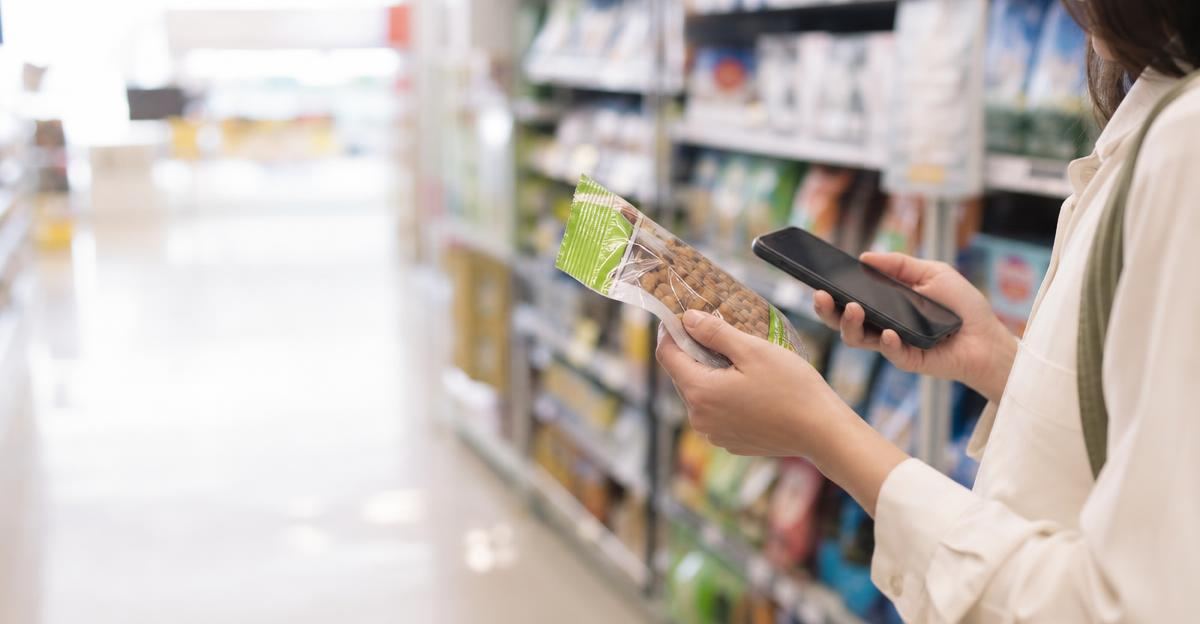
Road trips, late office nights, and rushed morning commutes often leave you standing in front of a gas station or convenience store rack looking for something quick. When you are trying to stay consistent with your nutrition goals, these unplanned stops can feel like a tracking headache.
The good news is that grab-and-go packaged foods are actually among the easiest items to log once you know how to handle them. You do not need to spend ten minutes typing into search bars while standing in the checkout line. Here is how to log convenience store snacks quickly, accurately, and without friction.
Focus on the Nutrition Facts Panel First
The biggest advantage of convenience store food over restaurant meals is transparency. Nearly every packaged item comes with an official FoodData Central nutrition label mandated by law, meaning you do not have to guess the ingredients or preparation methods.
When you grab an item, take two seconds to check two specific numbers:
- The serving size: Is the whole bag considered one serving, or does that small package contain 2.5 servings?
- The total calories and protein: These are the primary markers that keep your daily targets grounded.
If you are using a modern tracking workflow, comparing photo meal logging vs. manual entry shows how much time visual recognition saves. Instead of manually searching through thousands of community-entered database entries, snapping a clear picture of the front packaging and the nutrition label lets your tracking app do the heavy lifting instantly.
The 3-Second Rule for Packaged Snacks
When you are on the move, speed matters. If logging takes more than a few seconds, you are much more likely to skip it and tell yourself you will remember it tonight. By evening, however, the exact brand of beef jerky or size of that trail mix bag is easy to forget.
To log in seconds, use this simple workflow:
- Snap before you open: Take a photo of the item right as you pay or sit back in your car.
- Capture the weight: If the package has a prominent net weight (for example, "2.25 oz / 64g"), ensure the photo captures that text. Net weight eliminates serving size math errors automatically.
- Log the bundle at once: If you grabbed a string cheese, an iced coffee, and a bag of almonds, set them together and take a single photo rather than three separate entries.
If you are dealing with busy travel schedules, dehydration, or recovery needs alongside your nutrition routine, services like How Fast Can You Get Home Iv Therapy In Short Hills show how wellness support adapts to real-life demands. Your daily logging should be just as adaptable.
Navigating Fresh and Unpackaged Items
Convenience stores have expanded far beyond chips and candy. Today, you will often find fresh fruit baskets, hot roller grills, fresh bakery cases, and prepared sandwiches. Because these items may lack a printed barcode or detailed panel, log them using simple anchors:
1. Fresh Fruit
Bananas, apples, and oranges vary slightly in size, but perfection is never the goal. Log a medium piece of fruit and move on. A 15-calorie variance in an apple will not derail your weekly trend.
2. Roller Grill and Warmer Items
Most major convenience chains publish standardized nutritional information for their hot bar items online. If the specific brand is not clear, use a generic equivalent (such as "standard beef frank" or "egg and cheese breakfast taquito").
3. Fountain Drinks and Coffee Stations
Liquid additions add up quickly. If you pour a drip coffee and add two packets of sugar and two mini creamers, logging the creamer cups is far more important than the coffee itself. For fountain drinks, check if the fountain dispenser uses sweetened syrups or zero-sugar options.
Build a "Default Five" Roster
If you travel or commute frequently, make convenience stops effortless by deciding on your go-to choices before you walk in the door. Having a mental list of reliable items removes decision fatigue:
- High-protein options: Greek yogurt cups, ready-to-drink protein shakes, hard-boiled eggs, and low-sodium beef or turkey jerky.
- Fiber and micronutrients: Whole fruit, single-serve roasted edamame, baby carrots, or unsalted mixed nuts.
- Hydration: Plain sparkling water, unsweetened iced tea, or electrolyte water.
When you repeatedly choose from your familiar roster, logging takes almost no mental energy.
Keep Moving Forward
Nutrition tracking works best when it reflects your real life, not a curated kitchen routine. You do not need pristine home-cooked meals every day to make measurable progress toward your health goals. A quick snack from a highway rest stop counts just as much as a weighed dinner plate at home.
Consistency comes from capturing what you actually eat without letting the process slow you down.
Ready to simplify your daily routine? Try Stride to log meals, workouts, and weight in one place.
Put this into practice with Stride
Log meals, training, weight and sleep in seconds, then get guidance that fits your own numbers.
Try Stride free