
How to Log Complex Meal Prep Containers Accurately
Learn how to accurately log complex meal prep containers, divided bowls, and batch recipes using simple kitchen math and smart tracking tools.
· 4 min read
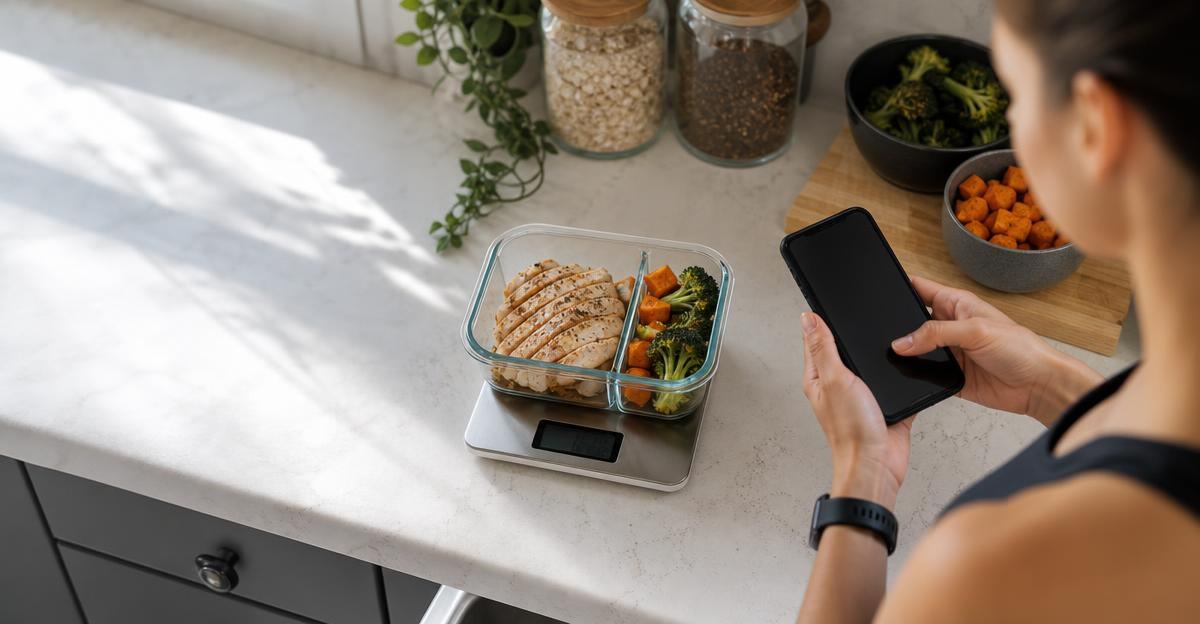
Batch cooking saves hours during a busy week, but logging multi-compartment containers or layered casseroles can quickly become frustrating. When you open a container packed with roasted chicken thighs, quinoa, mixed roasted vegetables, and a spoonful of homemade sauce, trying to enter each item separately feels tedious.
Fortunately, getting reliable numbers does not require weighing every individual bite at lunchtime. With a few practical kitchen habits and modern logging methods, you can track your nutrition accurately without turning mealtime into a chore.
The Cooked vs. Raw Math Problem
The most common source of error when tracking batch-cooked meals is the difference between raw and cooked weights. Water evaporates during cooking, meaning meats and roasted vegetables lose weight while retaining their caloric density. Conversely, grains like rice and quinoa absorb water, gaining weight without adding extra calories.
When you look up ingredients in standard databases like the USDA FoodData Central, an entry for raw chicken breast will show vastly different nutrition per ounce compared to roasted chicken breast.
If you weigh raw ingredients during your Sunday prep, you must track them as raw. If you weigh the finished meal as you pack it into glass containers, you need to use cooked entries. Mixing these two up is the easiest way to accidentally over- or underestimate your daily energy intake by hundreds of calories.
Strategy 1: The Total Recipe Batch Method
For dishes where ingredients are thoroughly mixed together—such as chili, curries, sheet-pan bakes, and casseroles—the batch method is the cleanest approach.
- Weigh everything raw as it goes in: Place your pot or mixing bowl on a digital kitchen scale, zero it out, and record each raw ingredient you add.
- Weigh the final cooked batch: Once cooking is done, weigh the entire finished dish in grams (subtracting the weight of the pot).
- Divide by portions or total grams: If your finished stew weighs 1,500 grams, you can either create a custom recipe set to 1,500 single-gram servings, or divide the batch evenly across five identical 300-gram containers.
If you choose the gram-serving method, logging your lunch is effortless. You simply scoop out a portion, weigh the bowl, and log the exact number of grams. If you want to refine this workflow for everyday dinners, learning how to track multi-ingredient home-cooked meals fast will keep dinner prep streamlined.
Strategy 2: Modular Container Assembly
Many people prefer divided bento-style meal prep containers where proteins, carbohydrates, and vegetables remain separate. This style is often easier to assemble and adjust throughout the week.
When building modular containers, keep your components in separate storage bowls first:
- Bowl 1: Grilled flank steak or tofu (protein)
- Bowl 2: Jasmine rice or roasted sweet potatoes (starchy carb)
- Bowl 3: Steamed broccoli or roasted zucchini (vegetables)
- Bowl 4: Homemade dressing or vinaigrette (fats)
Line up your containers on the counter. Put container number one on the scale, hit tare, and add your cooked protein. Note the cooked weight. Hit tare again, add your cooked starch, note the weight, and repeat for your greens.
While this takes an extra two minutes during weekend assembly, it eliminates all logging friction during the workweek. Dedicated routines like batch meal prep create structure that makes sticking to nutritional goals far more sustainable over time.
Dealing with Sauces, Marinades, and Oils
Oils and dressings represent the densest source of calories in any meal prep recipe, making them easy to miscalculate. A tablespoon of olive oil left behind on a roasting sheet does not end up in your container, but a tablespoon of oil stirred into a dressing does.
To keep your logs reliable without overthinking:
- Sheet Pan Roasting: If you toss two tablespoons of oil over four servings of vegetables, log half a tablespoon per serving. Even if a tiny film remains on the pan, the variance is negligible for daily health trends.
- Marinades: If meat marinates in an oil-and-sugar base that gets discarded before cooking, only a fraction penetrates the meat. As a general rule of thumb, logging about 10% to 15% of the total marinade volume accounts for what adheres to the surface.
- Dressings and Drizzles: Never eyeball high-fat sauces into containers. Measure liquid oils, tahini, and nut butters with a tablespoon or digital scale before adding them to your prep.
How Photo Logging Simplifies Meal Prep Containers
If manual entry and recipe building feel overwhelming, photo logging offers a practical alternative. When using image recognition to log complex containers, framing matters.
To get the most accurate result from a photo scan:
- Remove the lid: Transparent plastic or glass lids create glare that can obscure sauces and textures.
- Keep ingredients visible: If you have meat resting on top of rice, spread them out slightly so the camera can register both items rather than assuming the entire bowl is meat.
- Add brief text notes: If a sauce contains hidden ingredients—such as peanut butter or heavy cream—a quick one-word note attached to the photo helps the system assign appropriate calorie densities.
Remember that nutrition tracking is about understanding broad patterns rather than achieving laboratory perfection. A minor miscalculation in one container averages out over the course of a week. If you have specific medical conditions or dietary requirements, always speak to a clinician or registered dietitian to tailor your targets.
Ready to simplify your daily tracking routine? Try Stride to log meals, workouts, and weight in one place.
Put this into practice with Stride
Log meals, training, weight and sleep in seconds, then get guidance that fits your own numbers.
Try Stride free