
How to Log Bone-In Meats and Seafood Accurately
Learn how to accurately log bone-in meats, ribs, and seafood. Simple methods to account for bone and shell weight in your daily food tracker.
· 4 min read
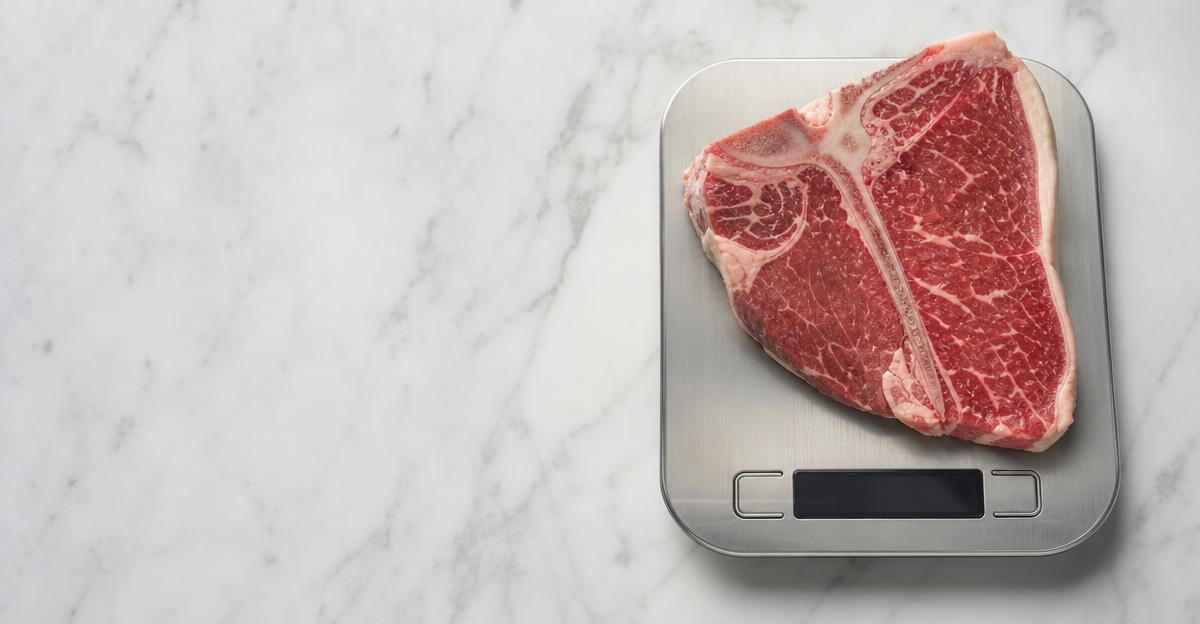
Tracking your nutrition works best when it fits naturally into real life. But if you have ever sat down to a plate of chicken wings, bone-in pork chops, or peel-and-eat shrimp, you have probably run into a common logging puzzle: the weight on your plate is not the weight you actually eat.
Bones, cartilage, shells, and tails add significant bulk. If you weigh a raw bone-in ribeye or a dozen steamed clams and enter that gross number directly into your food log, you could overestimate your protein and calorie intake by 30 to 60 percent.
Here is how to log bone-in meats and seafood accurately without turning dinner into a stressful math exam.
Why Inedible Refuse Throws Off Your Log
In nutritional science, non-edible parts like bones, skin you discard, and shells are known as refuse. When standard nutritional databases report the calorie and macronutrient profile of a food, they refer to the edible portion unless explicitly labeled otherwise.
For instance, checking the FoodData Central database shows that standard entries for cooked chicken breast or roasted salmon assume 100% edible meat. If an eight-ounce bone-in chicken thigh contains three ounces of bone, logging the full eight ounces as pure meat artificially inflates your daily protein count. Over time, this discrepancy can lead you to believe you are hitting your protein targets when you are actually falling short, or cause unnecessary confusion if your weight progress stalls.
If you have run into other common hurdles while calculating your daily intake, understanding the 5 mistakes when tracking protein on a busy schedule can help streamline your daily routine.
Method 1: The "Weigh Twice" Technique (Most Accurate)
For home cooking, the gold standard for tracking bone-in items is the subtractive method. It takes less than thirty seconds and requires no complex formulas.
- Weigh before eating: Place your cooked portion on the food scale and record the total starting weight.
- Enjoy your meal: Eat the meat or seafood normally, leaving the bones, shells, or tails on a separate plate.
- Weigh the refuse: Put the leftover bones and shells on the scale.
- Subtract: Take the starting weight and subtract the refuse weight. The resulting number is the exact amount of cooked meat you consumed.
For example, if two bone-in chicken thighs weigh 280 grams before eating, and the clean bones weigh 70 grams after, you log 210 grams of cooked chicken thigh meat.
Method 2: Standard Refuse Percentages (Fastest at Home)
If you do not want to weigh dirty bones after finishing dinner, you can rely on standard biological averages. Most cuts have relatively consistent ratios of meat to bone:
- Chicken wings: Roughly 40% to 50% bone and refuse.
- Chicken drumsticks and thighs: Roughly 25% to 35% bone.
- Bone-in steaks (T-bone, ribeye): Roughly 15% to 25% bone.
- Pork chops (bone-in): Roughly 15% to 20% bone.
- Shrimp (shell-on, tail-on): Roughly 15% to 20% shell.
- Crab legs and whole shellfish: Roughly 50% to 65% shell.
If you have a 12-ounce raw bone-in T-bone steak, you can multiply the weight by 0.80 to estimate roughly 9.6 ounces of edible raw steak before cooking.
Method 3: Shellfish and Whole Seafood
Seafood presents a wide spread in refuse weight. Shrimp tails add very little weight, while clams, mussels, and oysters are mostly shell.
For peel-and-eat shrimp, weighing a handful of shelled shrimp once will give you an easy visual baseline. For bivalves like mussels and clams, raw weight is almost entirely shell. A pound of whole, live mussels typically yields only about 3 to 4 ounces of cooked meat. When logging shellfish in restaurants or family meals, search specifically for entries labeled "meat only" and estimate the volume of the meat rather than the weight of the whole shell.
For older adults or individuals managing specific medical diets that require precise nutrient monitoring, a local provider found through medical.life can help evaluate tailored dietary needs. Always speak to a clinician or registered dietitian for individualized clinical nutrition advice.
What to Do When Dining Out
When you are at a restaurant or social gathering, bringing a scale is rarely practical or desirable. In these situations, visual estimation focused purely on the edible portion works best.
- Use familiar landmarks: A deck of cards or the palm of your hand represents roughly 3 to 4 ounces of cooked boneless meat.
- Look past the frame: When a whole fish or bone-in chop arrives, visually separate the meat from the skeletal structure before you estimate the portion size.
- Log the core cut: If you are served four bone-in ribs, search for "cooked pork rib meat" and estimate the palm-sized equivalent rather than trying to guess the total gross weight of the rib rack.
Consistency matters far more than perfection. Being within 10 to 15 percent of your actual intake across a week will keep you moving toward your body composition goals without unnecessary stress.
Keep your daily tracking simple and consistent. Try Stride to log meals, workouts, and weight in one place.
Put this into practice with Stride
Log meals, training, weight and sleep in seconds, then get guidance that fits your own numbers.
Try Stride free