

How to Choose the Right Weigh-In Frequency for Your Goals
Learn how to choose the best weigh-in frequency for your goals, whether you prefer daily trend data, weekly check-ins, or monthly progress tracking.
· 5 min read
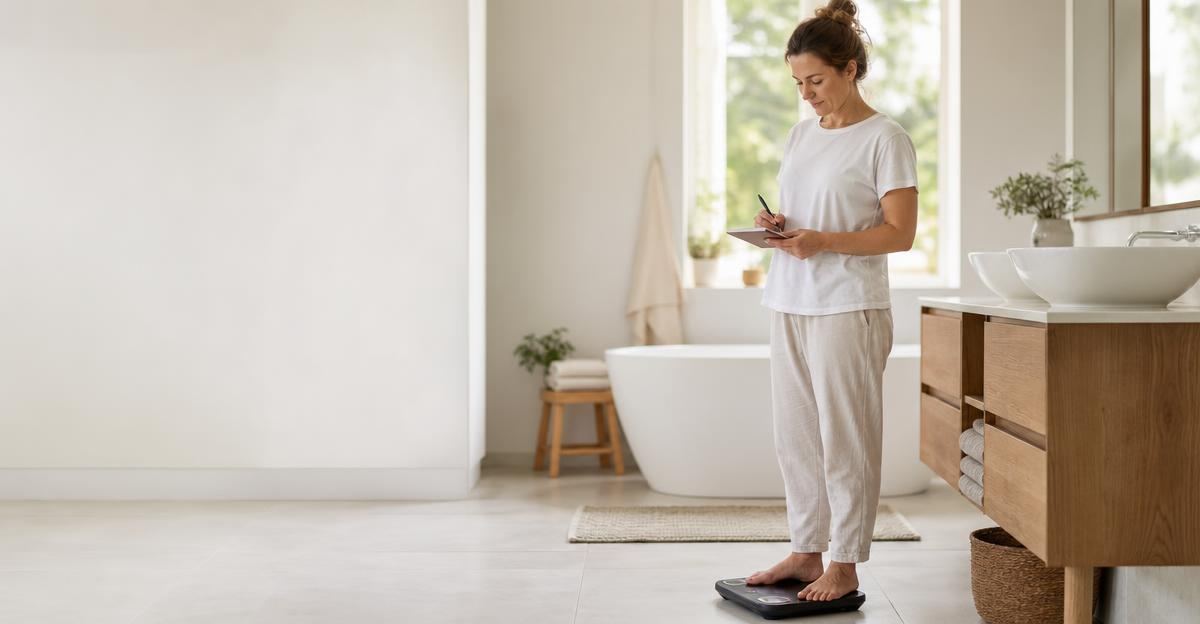
Stepping on the bathroom scale can feel like a high-stakes moment. Depending on the number that pops up, it can set an energized tone for the day or bring a wave of frustration. Because tracking your body weight is such a personal part of health management, how often you step on that scale matters just as much as what you do with the data.
There is no universal rule that works for every person. For some, stepping on the scale every morning offers objective data that takes the emotion out of normal day-to-day shifts. For others, daily check-ins trigger anxiety, making a weekly or biweekly check-in far healthier. Finding a sustainable schedule comes down to matching your tracking habits with your psychological comfort, lifestyle, and specific health targets.
Daily Weigh-Ins: Best for Data Lovers and Trend Tracking
Weighing yourself every morning provides the highest resolution picture of your body weight. When you step on the scale each day, you quickly learn just how dynamic your body is. Hydration levels, sodium intake, digestion, muscle inflammation from exercise, and hormone shifts all cause short-term fluctuations that have nothing to do with body fat or muscle mass.
The advantage of daily tracking is that it lets you calculate a rolling weekly average. A single weigh-in on a Friday might show an unexpected two-pound jump due to a salty dinner on Thursday night. If you only look at that single day, you might assume your program is failing. But if you have seven days of data, that temporary spike gets smoothed out by the weekly average.
Research published in PubMed on self-weighing frequency suggests that frequent self-weighing is often associated with greater long-term weight loss and weight maintenance, primarily because it keeps your goals top of mind and reinforces accountability.
However, daily tracking only works if you can treat the scale as a neutral instrument. If a higher number in the morning ruins your mood or prompts you to skip meals, daily weigh-ins may not be the right choice for you right now. Knowing why daily weight fluctuates and how to read the trend can help you interpret the numbers with curiosity rather than self-criticism.
Weekly Weigh-Ins: Best for Consistency Without the Noise
For many people, weighing in once a week hits the sweet spot. It provides regular accountability without demanding daily mental energy.
If you choose a weekly rhythm, consistency in your routine is essential:
- Pick one consistent day: Mid-week days like Wednesday or Thursday often work best, as weekend social routines can temporarily skew Monday morning numbers.
- Weigh in under identical conditions: Step on the scale immediately after waking up, after using the bathroom, and before eating or drinking.
- Wear the same thing: Weigh yourself unclothed or in light sleepwear.
The main downside of weekly weigh-ins is that random fluctuations can obscure true progress. If your weekly weigh-in happens to land on a day when you are holding extra water from a hard leg workout, the scale might look unchanged even if you lost body fat over the preceding seven days. If you choose this schedule, remember to evaluate your progress across three to four consecutive weeks rather than reacting to a single weigh-in.
Biweekly or Monthly Weigh-Ins: Best for Long-Term Habits
If your primary focus is establishing sustainable nutrition and movement routines—or if scale numbers trigger obsessive thoughts—checking your weight every two to four weeks can be liberating.
This cadence shifts your attention toward process goals: hitting your daily step target, eating enough protein, drinking water, and sleeping eight hours. When you check your weight once a month, you bypass day-to-day water shifts and get a direct look at multi-week physical trends.
Monthly check-ins are also ideal if you are pairing weight tracking with body measurements, progress photos, or performance milestones in the gym. Just keep in mind that monthly checks provide very little warning if your current routine is slowly drifting off course. If you need clinical guidance or are managing a specific metabolic condition, speak to a clinician or registered dietitian to decide on an appropriate monitoring schedule.
Non-Scale Tracking: When to Step Away Entirely
Sometimes the healthiest choice is to put the scale in the closet for a while. If you have a history of disordered eating, or if scale check-ins consistently cause distress, tracking other markers can give you plenty of actionable information without the mental toll.
You can monitor your health and body composition through:
- How your clothes fit around your waist and hips
- Energy levels throughout the workday
- Sleep quality and morning restedness
- Strength and endurance gains during workouts
- Waist-to-hip circumference measurements taken once a month
Just as in other major lifestyle choices, finding what supports your personal well-being is about finding the right fit for your unique circumstances rather than forcing a rigid routine that causes unnecessary stress.
How to Choose Your Schedule
To pick the cadence that fits your current season of life, ask yourself these three questions:
- How do I react to the number? If an unexpected jump makes you curious about your water retention, try daily tracking. If it makes you feel defeated, switch to weekly or monthly checks.
- What is my primary goal? If you are actively cutting or bulking for an athletic event, frequent data helps you adjust calories accurately. If your goal is sustainable wellness, less frequent check-ins work well.
- Can I stay consistent with the measurement environment? If your mornings are chaotic and irregular, picking one calm weekend morning a week will yield cleaner data than inconsistent daily attempts.
You can also change your weigh-in schedule over time. You might weigh in daily for two weeks to learn how your body responds to specific meals, shift to weekly check-ins while building consistency, and move to monthly check-ins once you reach maintenance.
Whatever schedule fits your routine, Stride makes it simple to log meals, workouts, and weight in one place so you can see your real progress over time.
Put this into practice with Stride
Log meals, training, weight and sleep in seconds, then get guidance that fits your own numbers.
Try Stride free