
How to Accurately Track Alcohol Calories and Macros
Learn how to accurately track alcohol calories and macros. Simple conversion formulas, standard drink sizes, and practical tips for real-world logging.
· 5 min read
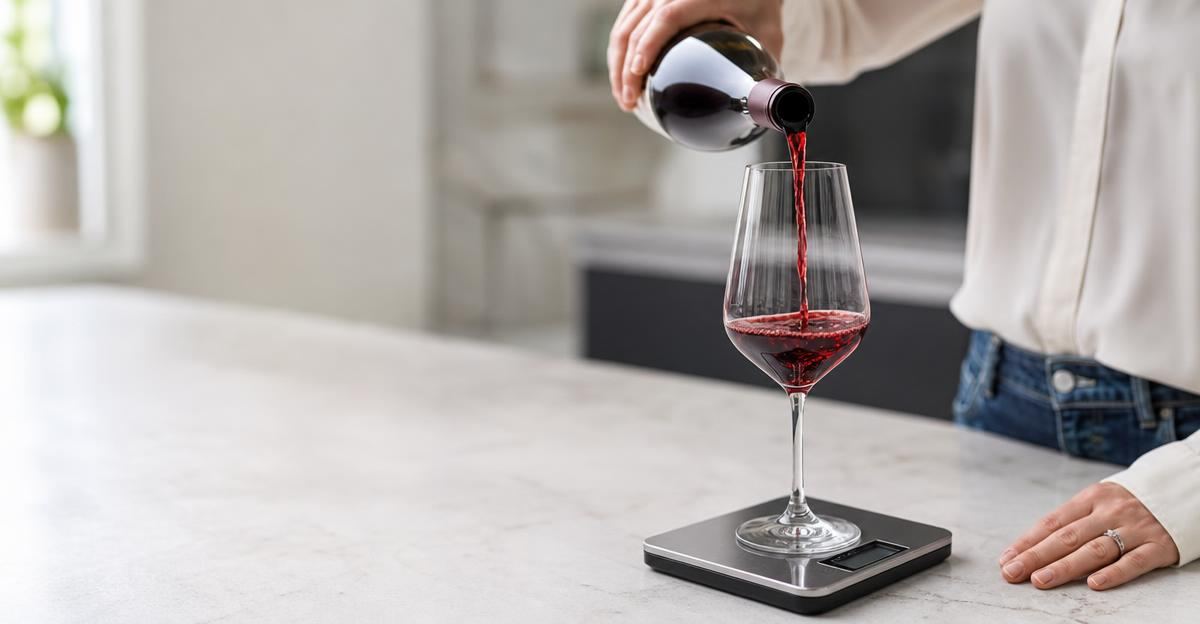
Logging an evening drink often feels like a guessing game. You might check a food database and find five different entries for a single glass of Pinot Noir or a craft IPA, each listing wildly different numbers. Worse, nutrition labels rarely appear on alcoholic beverages, leaving many people to wonder why their daily totals do not add up at the end of the week.
Tracking alcohol does not mean you have to give up social dinners or casual drinks. It simply requires understanding how alcohol is metabolized, where its calories come from, and how to fit those numbers into your daily nutrition targets.
The Fourth Macronutrient
Most people learn that food consists of three macronutrients: protein (4 calories per gram), carbohydrates (4 calories per gram), and dietary fat (9 calories per gram). Alcohol is effectively a fourth macronutrient, providing 7 calories per gram.
Unlike protein, carbs, or fat, alcohol is non-essential and cannot be stored by the body for later use. When you drink, your liver prioritizes clearing ethanol from your bloodstream before processing other nutrients.
Because standard nutrition frameworks track only protein, carbs, and fat, tracking apps must convert alcohol calories into one of the standard macros to keep your daily energy balance intact. If an app logs a 150-calorie hard seltzer as having zero carbs, zero fat, and zero protein, your macro totals will show a calorie deficit that does not actually exist.
The Basic Formula for Alcohol Calories
To understand the energy in any drink, you can look at the volume and alcohol by volume (ABV), along with any residual sugars or mixers.
A standard drink in the United States contains roughly 14 grams of pure alcohol. According to the Dietary Guidelines for Americans, this corresponds to:
- 12 fluid ounces of regular beer (around 5% ABV)
- 5 fluid ounces of table wine (around 12% ABV)
- 1.5 fluid ounces of 80-proof distilled spirits (40% ABV)
At 7 calories per gram, 14 grams of pure alcohol equals approximately 98 calories from the ethanol alone. Any carbohydrates in the beverage—such as malt sugars in beer, residual grape sugar in dessert wines, or tonic syrup in cocktails—add extra calories on top of that base number.
How to Convert Alcohol into Carbs or Fat
Because most nutrition tracking setups focus on meeting specific daily gram targets for carbs and fats, logging alcohol requires a simple conversion. You can allocate alcohol calories toward carbohydrates, dietary fat, or a split between the two.
Here is how the math works:
Option 1: Log as Carbohydrates
Since carbohydrates yield 4 calories per gram, divide the drink's total calories by 4.
- Example: A 140-calorie glass of dry red wine divided by 4 equals 35 grams of carbohydrates.
Option 2: Log as Fat
Since fat yields 9 calories per gram, divide the total calories by 9.
- Example: A 140-calorie glass of dry red wine divided by 9 equals roughly 15.5 grams of fat.
Option 3: Split Between Carbs and Fat
If you want to preserve room in your daily budget for both food macros, allocate half the calories to each.
- Example: For a 140-calorie drink, take 70 calories from carbs (70 / 4 = 17.5g carbs) and 70 calories from fat (70 / 9 = 7.8g fat).
Never allocate alcohol calories to protein. Dietary protein serves specific structural and recovery roles in muscle repair and enzyme production that alcohol cannot fulfill.
Tracking Common Drinks Accurately
Different categories of drinks carry different calorie profiles depending on their ingredients and brewing processes.
1. Straight Spirits and Neat Pours
Liquors like vodka, whiskey, gin, tequila, and rum contain almost no carbohydrates when unflavored. A standard 1.5-ounce shot of 80-proof liquor contains about 97 calories. As proof increases (for example, 100-proof whiskey), alcohol concentration rises, bringing the calorie count closer to 120 calories per shot.
2. Beer and Cider
A light beer typically has 90 to 110 calories and 3 to 6 grams of carbohydrates. Standard lagers usually land between 140 and 170 calories. Heavy craft beers, such as double IPAs or imperial stouts, often range from 7% to 10% ABV or higher, easily pushing a single pint to 250–350 calories.
3. Wine
A standard 5-ounce pour of dry white or red wine generally sits between 120 and 130 calories with 3 to 5 grams of carbohydrates. Sweeter varietals (such as sweet Riesling, Port, or Moscato) contain higher residual sugars and can exceed 160 calories per glass.
4. Cocktails and Mixed Drinks
Cocktails present the biggest challenge because mixers, syrups, and liqueurs add substantial sugar. A classic Margarita made with triple sec, simple syrup, and tequila often reaches 250 to 300 calories. Choosing club soda, diet tonic, or fresh lime juice keeps the beverage close to the base spirit's calorie count. Just like managing your morning routine, learning how to log liquid calories and coffee drinks accurately gives you the tools to spot hidden syrups and pour sizes.
Practical Tips for Real-World Logging
Tracking drinks in social settings does not require pulling out a measuring jigger at a restaurant table. A few practical strategies will keep your logs consistent:
- Watch restaurant glassware: Many bars and restaurants serve wine in large glasses, pouring 6 to 8 ounces instead of the standard 5-ounce serving. If your glass looks generous, log it as 1.3 to 1.5 servings.
- Account for craft beer ABV: Check the tap list for alcohol percentages. A 9% imperial IPA has nearly double the alcohol content of a 4.5% session beer, even if served in the same pint glass.
- Beware of post-drink snacking: Alcohol lowers dietary inhibition and affects sleep quality. If you find your appetite spikes late at night, logging your drinks in advance can help you stick to your planned dinner.
- Coordinate your broader routine: If you are managing chronic health conditions or taking daily prescriptions, consult with a medical.life professional to ensure alcohol does not interfere with your treatment plan. This article provides general wellness information and is not clinical advice.
Keep Your Tracking Simple
Consistency beats perfection when monitoring your nutrition. Estimating a drink within a reasonable range keeps your weekly calorie balance grounded in reality without adding friction to your social life.
If you want an easy way to keep your nutrition, fitness, and daily habits aligned, try Stride to log meals, workouts, and weight in one place.
Put this into practice with Stride
Log meals, training, weight and sleep in seconds, then get guidance that fits your own numbers.
Try Stride free