
Free Stretching Apps: Routines You Can Access Without Paying
Discover top free stretching apps and routines to improve flexibility, ease muscle tension, and build a daily mobility habit without paying a subscription.
· 4 min read
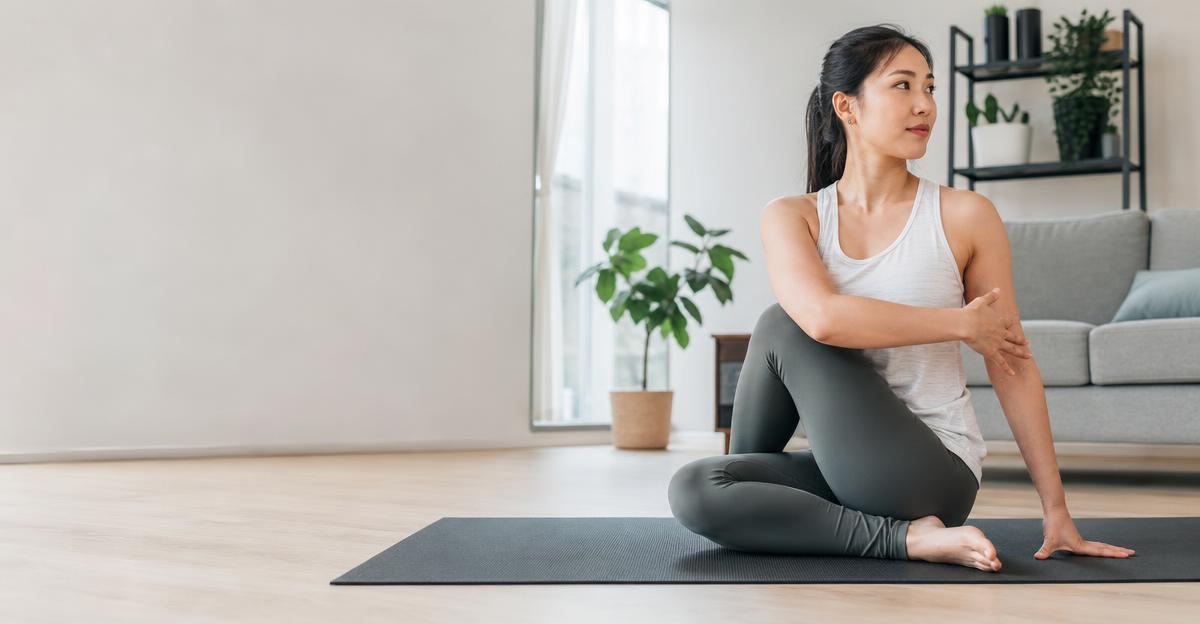
When muscles feel tight after hours at a desk or a demanding workout, a short flexibility session can restore comfort and mobility quickly. Many people turn to digital tools to guide their movements, only to discover that most apps lock basic routines behind high subscription fees. Finding quality guidance without recurring costs can feel frustrating when your goal is simply moving better.
Building a dependable daily habit does not require expensive programs. Several reliable platforms offer guided mobility work, targeted stretches, and simple timers without hidden paywalls. By selecting the right free tools, you can support physical recovery, ease stiffness, and complement your broader fitness goals smoothly.
What to Look for in Free Stretching Tools
A good stretching app should provide clarity, ease of use, and sensible movement selection. Many commercial fitness apps fill their free tiers with disruptive video ads or limit routines to two-minute previews. The most effective free resources focus on straightforward instruction and customizable timers rather than flashy marketing.
When evaluating no-cost mobility tools, look for these practical features:
- Clear visual demonstrations: Simple animations or video clips ensure you hold poses with proper joint alignment.
- Custom interval settings: Adjustable hold times and rest intervals let you match the pace to your current range of motion.
- Targeted routines: Options to focus on specific areas, such as the lower back, hip flexors, or neck and shoulders.
- Minimal friction: Tools that let you open the app and start moving in seconds without mandatory account creation or upsell pop-ups.
Just as learning how to get excellent value without sacrificing quality helps you make wise long-term care decisions, choosing functional, zero-cost digital tools lets you protect your physical wellness without straining your monthly budget.
Top Platforms for Free Guided Mobility
While standalone stretching apps often lean heavily on subscriptions, several established fitness organizations provide completely free libraries of mobility routines.
1. Nike Training Club
Nike Training Club remains one of the most comprehensive free fitness libraries available. The platform includes dozens of dedicated yoga, mobility, and recovery sessions ranging from 5 to 30 minutes. You can filter by muscle group, intensity, and equipment. The video instruction is clear, well-paced, and entirely free of paywalls.
2. Stretch & Flexibility at Home (Leap Fitness)
This app provides straightforward daily routines organized by goal, such as morning warm-ups, bedtime relaxation, or posture correction. While the app includes banner ads, the core stretching programs, voice prompts, and visual guides are accessible without a paid subscription.
3. YouTube (Curated Channels)
While not a dedicated app, YouTube functions as one of the best free mobility tools when paired with reliable channels. Creators focusing on physical therapy and yoga offer structured playlists for desk workers, runners, and lifters. Saving two or three 10-minute routines to your library gives you instant access to high-quality instruction on any device.
4. Simple Interval Timers
If you already know the stretches you enjoy, a customizable interval timer app (such as SmartWOD or Seconds) allows you to build your own sequence. You can set 45-second holds with 15-second transitions, keeping your session focused without needing an instructor on screen.
Safe Stretching Guidelines for Daily Practice
Stretching should never cause sharp pain. To get the most benefit from your sessions, practice movements with steady, relaxed breathing. Dynamic stretches—such as leg swings and arm circles—work best before physical activity to prepare tissues for load, while static stretches help calm the nervous system after workouts or before sleep.
According to the American College of Sports Medicine flexibility guidelines, healthy adults should engage in flexibility exercises at least two to three days per week, holding each static stretch for 10 to 30 seconds to support joint range of motion.
If you have underlying joint conditions, chronic pain, or are recovering from an injury, treat digital routines as general wellness information and consult a physical therapist or clinician before starting new mobility programs.
Combining Flexibility with Your Daily Health Routine
Flexibility routines work best when integrated into a consistent overall lifestyle. Pairing a quick five-minute evening stretch with an established wind-down routine helps signal to your body that it is time to rest. Similarly, scheduling brief movement breaks during long workdays keeps your joints supple and helps support steady energy levels.
If you are balancing active recovery alongside structured training, you might explore walking for active recovery to promote circulation between lifting days. Keeping an eye on how mobility, daily movement, and rest interact makes it easier to notice what helps your body feel its best.
Tracking your workouts, flexibility sessions, daily meals, and recovery in one place simplifies the process of building lasting physical habits. Try Stride to log meals, workouts, and weight in one simple app.
Put this into practice with Stride
Log meals, training, weight and sleep in seconds, then get guidance that fits your own numbers.
Try Stride free