
Free Protein Tracker Apps for Simple Daily Totals
Find simple, free protein tracker apps to monitor daily totals. Learn how to log protein quickly, hit your targets, and build consistent habits.
· 5 min read
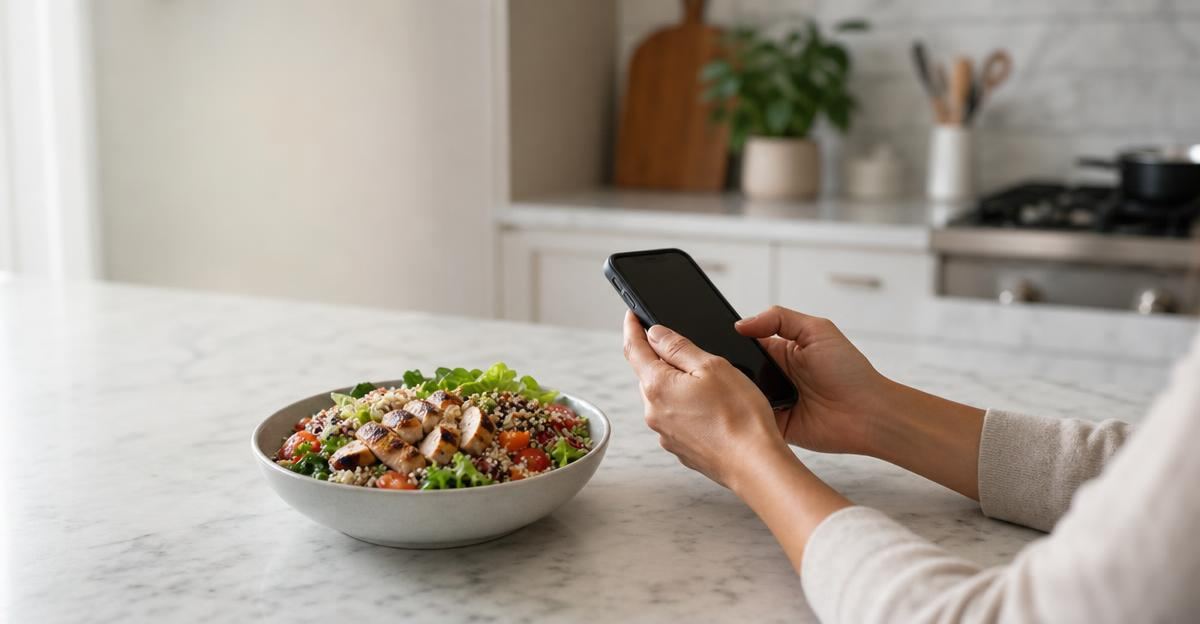
When most people decide to monitor their nutrition, they often start with a single, high-impact goal: hitting a specific protein target. Protein supports muscle repair, keeps you satisfied between meals, and helps maintain lean mass while managing weight. Yet many comprehensive nutrition tools make this simple habit feel like a chore by demanding detailed logs of every trace micronutrient, cooking oil, and pinch of seasoning.
If your primary focus is seeing whether you hit 120, 150, or 180 grams of protein by dinner, you do not need an overwhelming database or an expensive monthly subscription. You need a frictionless way to check your daily total and move on with your day.
Why Simple Protein Tracking Works
Nutritional consistency usually breaks down when tracking friction gets too high. Logging an entire multi-ingredient dinner item by item takes time, and when work gets busy or family obligations pile up, complex apps are often the first habit to be abandoned.
A streamlined approach strips away the clutter. Instead of auditing every gram of carbohydrate or fat, focusing primarily on protein provides a reliable anchor for your meals. Protein is notoriously satiating, meaning that when you intentionally build plates around solid protein sources, overall calorie control often takes care of itself.
If you have struggled with staying consistent in the past, identifying 5 mistakes when tracking protein on a busy schedule can help you simplify your routine before you even open an app.
What to Look for in a Minimalist Protein Tracker
Not all free apps are built for simplicity. Many free tiers in the health space are cluttered with banner advertisements, locked features, or aggressive upgrade prompts that slow down daily logging. When evaluating free options for simple daily totals, keep an eye out for these practical features:
- Quick-Add Protein Values: The ability to type "35g" without needing to search a database for a specific brand of chicken breast.
- Visual Progress Toward a Target: A clean progress bar or ring that shows your remaining grams for the day at a glance.
- Low Logging Friction: Photo recognition, barcode scanning, or quick-entry widgets that take less than fifteen seconds per meal.
- Basic Meal Grouping: Simple separation between breakfast, lunch, dinner, and snacks so you can see how your intake is distributed across the day.
- Clear Free Tier Utility: Core tracking functionality that remains usable without surprise paywalls after a seven-day trial.
Top Approaches to Tracking Protein Simply
Depending on how hands-on you want to be, different free setups cater to different logging styles.
1. Photo-Based and AI Quick Loggers
Recent advances in image recognition have made logging protein significantly faster. Instead of weighing three separate items or typing search queries, you snap a photo of your plate or describe your meal in plain English (such as "two eggs and a cup of Greek yogurt"). The software estimates the protein content and adds it directly to your daily total. This method works well for people who want accurate daily ballparks without measuring every bite on a digital scale.
2. Dedicated Single-Nutrient Counters
Several lightweight mobile apps are designed specifically to track one or two numbers: daily calories and protein grams. These apps omit expansive social feeds and macro breakdowns in favor of a clean, calculator-like interface. You tap a button, enter a number or select a saved favorite, and your daily total updates instantly.
3. Native Notes and Habit Tracker Checklists
For those who prefer not to download a specialized nutrition app, standard smartphone tools can serve as a surprisingly effective free tracker. Creating a daily note with standard meal values—or using a simple tally system for 25-gram portions—removes digital distractions entirely. While it lacks automatic data summaries, it offers absolute simplicity.
Practical Strategies to Hit Your Daily Target
Having an app to record your numbers is only half the equation; structuring your day to reach your target without stress is what ensures long-term success.
Front-Load Your Protein Intake
A common issue when tracking is reaching 8:00 PM with 60 grams of protein still left to eat. Attempting to consume that much protein in a single late-evening snack is uncomfortable. Aim to secure 30 to 40 grams at breakfast and lunch. Starting the morning with eggs, cottage cheese, Greek yogurt, or a quick protein shake ensures you are never playing catch-up before bed.
Rely on Predictable Anchor Foods
You do not need to calculate every meal from scratch. Most people eat a rotation of roughly ten to fifteen core meals. Learning the approximate protein yield of your favorite staples—like a can of tuna, a palm-sized chicken breast, or a cup of edamame—allows you to log meals in seconds without consulting a reference guide every time.
For verified protein values of common whole foods, you can explore the USDA FoodData Central database to find standardized serving sizes and nutrient breakdowns.
Distribute Intake Across Daily Routines
Pairing your protein intake with existing habits makes hitting your numbers automatic. Just as caregivers use structured techniques for assisting with daily activities to maintain independence and daily rhythm, building a dependable meal structure helps you hit your nutritional goals without daily willpower drain.
General Information and Setting Realistic Targets
Protein targets vary based on body size, activity level, and personal health history. While higher protein diets are widely used to support strength training and satiety, individuals with underlying kidney conditions or specific metabolic considerations should always consult a physician or registered dietitian before making dramatic changes to their daily macronutrient targets. Nutritional tracking is a supportive tool, not a substitute for clinical care.
A Balanced View of Your Daily Health
Tracking protein is one of the most practical habits you can build for body composition and energy. However, nutrition does not happen in isolation. Your recovery, sleep quality, daily step count, and strength workouts all interact with how your body uses the fuel you provide.
If you want a straightforward way to monitor your progress without jumping between separate tools, consider using Stride. Stride lets you log your meals from photos, track workouts, record daily weight, and monitor sleep in one clean, unified space.
Put this into practice with Stride
Log meals, training, weight and sleep in seconds, then get guidance that fits your own numbers.
Try Stride free