
Free Food Diary Apps That Don't Need a Subscription
Explore free food diary apps and logging strategies that work without a subscription. Practical tips for tracking meals, macros, and daily habits.
· 4 min read
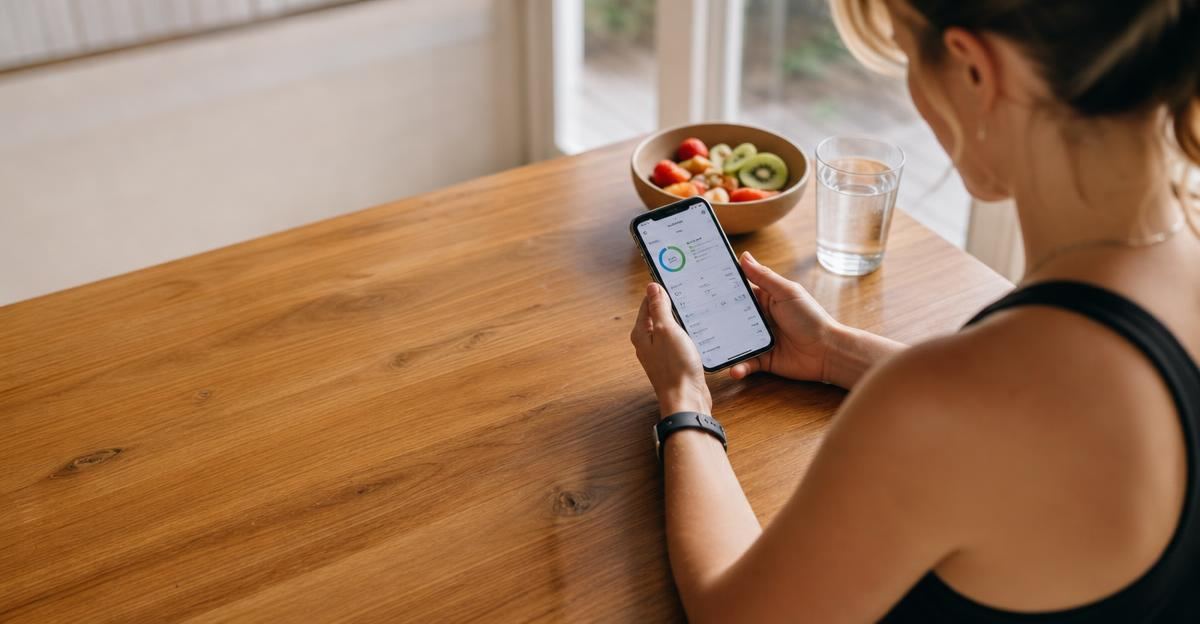
Finding a straightforward way to log what you eat should not feel like navigating a maze of paywalls. Many people download a nutrition app hoping for a simple digital journal, only to discover that basic features like barcode scanning, macro summaries, or saving favorite meals are locked behind recurring monthly charges.
Subscription fatigue is real, especially when you simply want to build awareness around your nutrition habits. Whether your goal is understanding your eating patterns, managing your energy, or monitoring portion sizes, you can log effectively without ongoing fees. Here is how to evaluate free food diary options, understand what they offer, and build a lasting habit without committing to a paid plan.
What to Look for in a Truly Free Food Diary
When searching for an app that does not force a subscription, it helps to distinguish between a free trial, a limited freemium tier, and a genuinely functional free tool. An effective food logging app should provide core utility right out of the box without constantly interrupting your workflow.
Look for tools that prioritize these fundamental features:
- Unrestricted logging history: You should be able to look back at past weeks and months to spot trends, not just see the last seven days.
- Accessible nutrient breakdowns: Basic macronutrients—protein, carbohydrates, and fats—along with total calories should be visible without an upgrade prompt.
- Fast input methods: Typing every single ingredient by hand gets tedious quickly. Features like photo logging, voice input, or straightforward search make a major difference in whether you stick with the routine.
- Data export or sharing: Your health data belongs to you. Being able to review your summaries or share them with a healthcare provider ensures the tool works for your broader care team.
If you are exploring modern logging options, learning about what free AI calorie tracker tools offer can help you decide whether automated meal recognition fits your daily routine better than manual database searches.
Why Food Diary Apps Rely on Subscriptions
To pick the right free option, it helps to understand why so many apps charge recurring fees in the first place. Nutrition apps generally incur ongoing server costs to maintain massive verified food databases, license proprietary barcode data, and develop machine learning models that interpret photos or natural language.
Some platforms cover these expenses by showing banner ads, while others restrict advanced analytics—like micronutrient tracking or custom macro targets—to paying tiers while keeping standard daily logging open. Knowing what is behind the paywall allows you to decide if the free tier genuinely meets your everyday needs or if the limitations will disrupt your consistency.
Effective Strategies for Logging Without Paid Features
You do not need premium algorithms to gain meaningful insight from a food journal. In fact, many of the most valuable aspects of dietary tracking come from the simple act of self-monitoring. Research indexed on PubMed consistently highlights that dietary self-monitoring is one of the most reliable behavioral strategies for successful weight management and nutritional awareness, regardless of the specific platform used.
Here are a few practical ways to get the most out of a free food diary:
1. Focus on Patterns Over Perfection
A food journal does not need to account for every single microgram of sodium to be useful. Pay attention to how meal timing affects your afternoon energy, which lunches keep you full until dinner, and how often you include dietary fiber and lean protein. High-level awareness often drives more sustainable progress than obsessing over minor decimal points.
2. Standardize Your Frequent Meals
Most people eat a rotation of roughly ten to fifteen standard meals for breakfast and lunch. Once you log these staple meals a few times, saving them as templates or repeating recent entries cuts your daily logging time down to just a few seconds, even on basic apps that lack automated batch features.
3. Pair Food Awareness with Other Daily Habits
Nutrition does not happen in isolation. How well you sleep, your daily movement, and your stress levels all influence appetite signals and food choices. Monitoring your habits alongside each other gives you context that a standalone calorie counter cannot provide.
If you are coordinating your nutrition habits with wider clinical guidance, resources like dr.life can help you connect with physicians and specialists who view dietary tracking as part of a complete health picture. Keep in mind that food logging tools provide general information, and any major dietary shift should be discussed with a qualified clinician.
Choosing the Right Approach for 2026
The landscape of health tracking continues to improve, with modern tools offering smarter, lower-friction ways to capture meals without expensive add-ons. The best app is always the one you actually use consistently. If a platform creates friction—whether through clunky manual entry or aggressive upgrade screens—it works against your long-term consistency.
Take time to test a tool for a week. See how intuitive it feels during a busy workday or when dining out with friends. When you find an approach that fits smoothly into your lifestyle, keeping an accurate record of your nutrition becomes a quiet, supportive habit rather than another chore on your to-do list.
To keep your daily health routine simple and unified, try Stride to log meals, workouts and weight in one place.
Put this into practice with Stride
Log meals, training, weight and sleep in seconds, then get guidance that fits your own numbers.
Try Stride free