
Fig Calories and Fiber: Fresh vs. Dried
Compare calories, fiber, and nutrients in fresh vs. dried figs. Learn how portion sizes differ and how to log both accurately for your goals.
· 4 min read
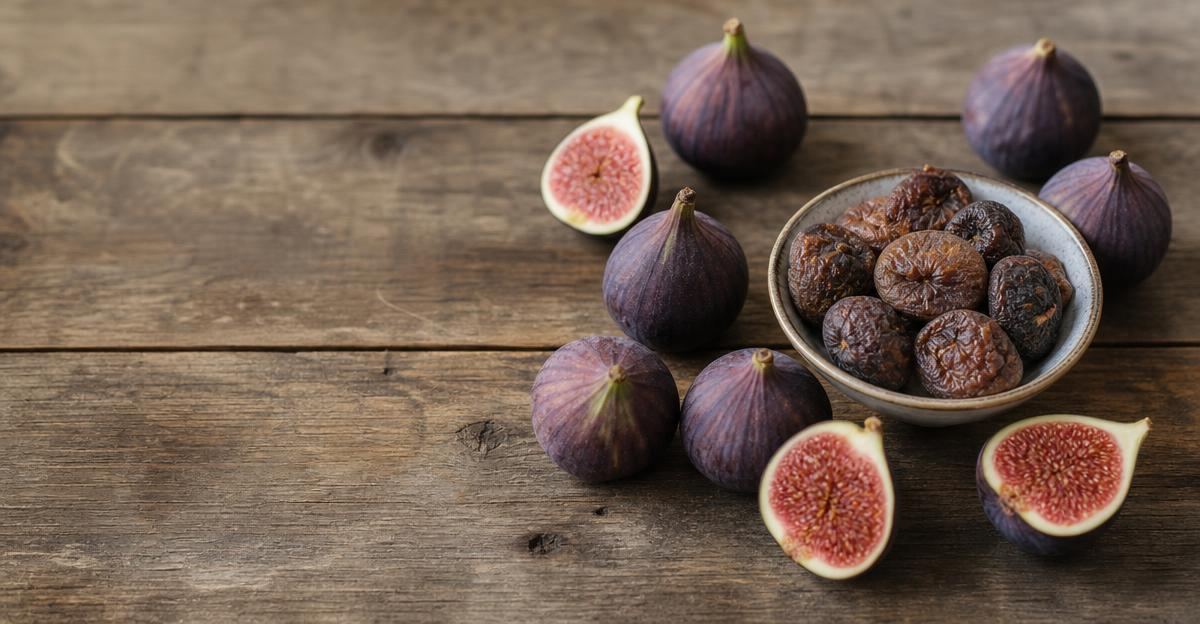
Figs are one of the oldest cultivated fruits, known for their honey-like sweetness and rich texture. Whether you toss fresh figs into a summer salad or pack dried figs as a convenient workout snack, they offer an easy way to boost micronutrients and roughage in your diet.
However, when you are logging daily nutrition, treating fresh and dried figs as interchangeable can throw off your targets. Removing water dramatically alters caloric density, portion volume, and carbohydrate concentration. Here is a clear look at how fresh and dried figs compare in calories, fiber, and micronutrients, along with practical tips for fitting them into your daily log.
The Core Difference: Water Content and Volume
The fundamental difference between fresh and dried figs comes down to water content. Fresh figs are roughly 80% water by weight. When figs undergo dehydration, that moisture evaporates, concentrating the remaining sugars, calories, and nutrients into a much smaller, denser package.
According to nutrient profiles from the USDA FoodData Central database, the nutritional variance per 100-gram serving (about 3.5 ounces) is substantial:
- Fresh Figs (100g / ~2 medium figs):
- Calories: ~74 kcal
- Carbohydrates: ~19g
- Fiber: ~2.9g
- Sugar: ~16g
- Protein: ~0.8g
- Fat: ~0.3g
- Dried Figs (100g / ~5 to 6 dried figs):
- Calories: ~249 kcal
- Carbohydrates: ~64g
- Fiber: ~9.8g
- Sugar: ~48g
- Protein: ~3.3g
- Fat: ~0.9g
By weight, dried figs contain more than three times the calories, carbohydrates, and sugar of fresh figs. However, they also supply more than three times the dietary fiber.
Fiber Benefits: Soluble and Insoluble Roughage
Figs are an exceptional source of dietary fiber, containing a balanced mix of both soluble and insoluble types.
Soluble fiber dissolves in water to form a gel-like substance in your digestive tract. This slows digestion, which helps moderate post-meal blood sugar rises and supports healthy cholesterol levels. Insoluble fiber adds bulk to stool and promotes regular digestion.
A single dried fig delivers roughly 1.5 to 2 grams of fiber. Eating just three or four dried figs provides around 6 to 8 grams of fiber, covering a significant portion of your daily recommended intake. If you find it challenging to reach your daily fiber goals, understanding how to track multi-ingredient home-cooked meals fast and adding dried fruit into morning oats or yogurt bowls is an effortless strategy.
If you are rapidly increasing your fiber intake through dried fruit, do so gradually and drink plenty of water to prevent digestive discomfort. (Note: This is general wellness guidance; if you have specific gastrointestinal conditions or blood sugar concerns, consult your physician or registered dietitian.)
Micronutrient Density: Minerals in Every Bite
Beyond macronutrients, drying concentrates several key minerals:
- Calcium: Dried figs are among the richest plant-based fruit sources of calcium, providing around 160 milligrams per 100 grams.
- Potassium: Essential for fluid balance and blood pressure regulation, dried figs offer substantial potassium per serving.
- Magnesium and Iron: Dried figs provide meaningful amounts of non-heme iron and magnesium, supporting muscle function and energy metabolism.
- Antioxidants: The polyphenols that give figs their deep purple or golden hues become concentrated when dried, helping protect cells from oxidative stress.
Fresh figs provide valuable vitamin C and vitamin A precursors that are partially degraded during the heat-drying process. Fresh versions are also exceptionally hydrating during warm months.
When to Choose Fresh vs. Dried Figs
Neither option is universally superior; each serves distinct nutritional and practical roles depending on your daily goals.
Choose Fresh Figs When:
- You want higher volume for fewer calories: If you are working within a caloric deficit, fresh figs provide sweetness, texture, and bulk without consuming a large portion of your daily energy budget.
- You want seasonal variety: Fresh figs have a short shelf life and unique culinary versatility, pairing naturally with goat cheese, arugula, balsamic reductions, and lean proteins.
- You want hydration: The high water content makes fresh fruit refreshing and gentle on digestion before light exercise.
Choose Dried Figs When:
- You need compact energy: For long runs, hikes, or cycling sessions, dried figs are shelf-stable, easily packable, and provide fast-acting carbohydrates to fuel working muscles.
- You need a quick fiber boost: Adding two chopped dried figs to hot cereal or cottage cheese offers a significant fiber bump without requiring prep work.
- You need convenient pantry staples: Fresh figs spoil within days, whereas dried figs keep in an airtight container for months.
Practical Tips for Logging Figs Accurately
Because dried fruit is energy-dense, estimating portions by eye can lead to underestimating calories. Here are three practical ways to log them cleanly:
- Count individual units for dried figs: If you do not have a food scale handy, logging dried figs by piece count (e.g., "3 medium dried Mission figs") is generally reliable, as commercial dried figs are relatively uniform in size.
- Weigh fresh figs when possible: Fresh figs vary widely from small wild varieties to large Black Mission or Brown Turkey figs. Weighing them in grams ensures your calorie logs reflect actual intake.
- Watch for added sugars: Most plain dried figs contain no added ingredients, but certain packaged varieties or candied figs may include added syrups. Always check the ingredient list.
Balancing Your Daily Intake
Both fresh and dried figs offer whole-food sweetness and valuable micronutrients. Fresh figs offer hydrating volume for calorie-conscious phases, while dried figs deliver concentrated minerals, fast energy, and rich fiber for active days.
To keep your daily nutrition consistent alongside your training and wellness targets, try Stride to log meals, workouts, and weight in one place.
Put this into practice with Stride
Log meals, training, weight and sleep in seconds, then get guidance that fits your own numbers.
Try Stride free