
Egg Calories and Nutrition: What Changes When Cooked?
Learn how cooking methods change egg calories, protein absorption, and fat content. Practical nutrition tips for accurate daily meal tracking.
· 5 min read
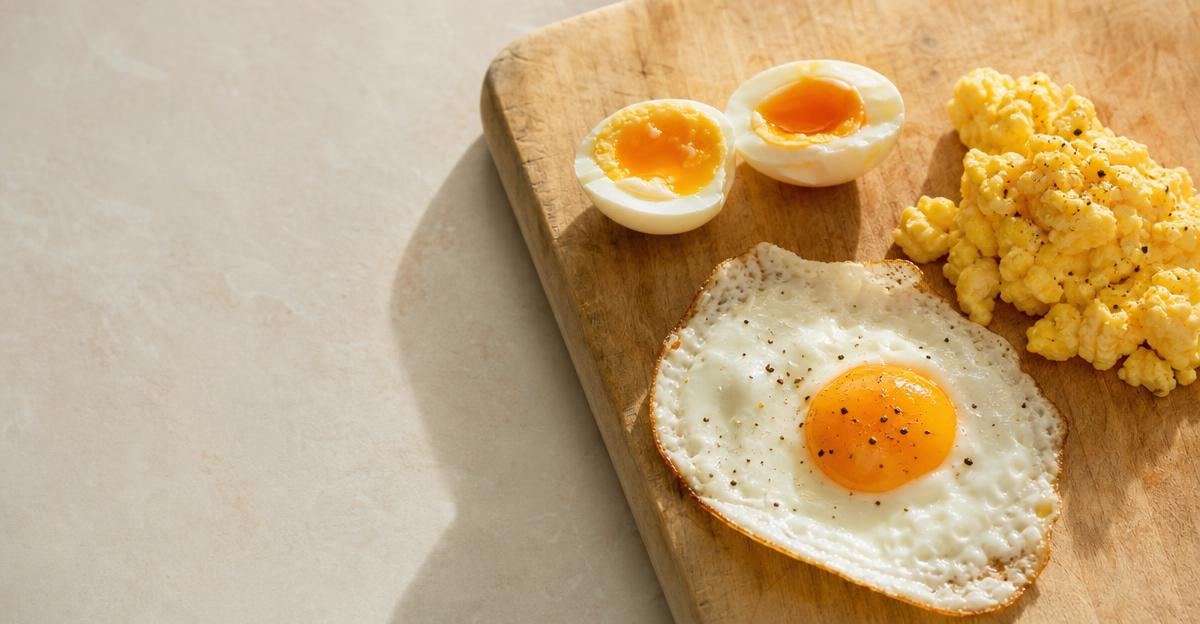
Eggs are one of the most reliable, nutrient-dense staples you can keep in your kitchen. They provide high-quality protein, essential fats, choline, and vital vitamins in a compact, affordable package. Yet when you sit down to track your meals, you might notice that a raw egg, a hard-boiled egg, and a scrambled egg often show different numbers in nutrition databases.
Understanding what actually changes during cooking helps you log accurately without overcomplicating your routine. Whether you are aiming for fat loss, muscle gain, or simply balanced energy, here is what heat, cooking fats, and preparation methods do to the calories and nutrients in an egg.
The Baseline: What Is in a Raw Egg?
According to food composition data from the USDA FoodData Central, a single large raw egg contains approximately 72 calories, 6.3 grams of protein, 4.8 grams of total fat, and less than half a gram of carbohydrates.
The white contains more than half of the total protein along with water and trace minerals. The yolk holds almost all the fat, dietary cholesterol, fat-soluble vitamins (A, D, E, and K), and choline.
When you apply heat to an egg, the fundamental raw material does not magically multiply its intrinsic calories. Instead, cooking changes water content, protein bioavailability, and—most importantly—the added ingredients you use in the pan.
Protein Digestibility and Heat
One of the most significant changes that occurs during cooking is how your body processes egg protein. Raw egg whites contain proteins that are tightly bound and less accessible to digestive enzymes. Heating denatures these proteins, uncurling their amino acid chains so digestive enzymes can break them down efficiently.
Research shows that human digestion absorbs roughly 90% of cooked egg protein compared to around 50% to 60% of raw egg protein. Cooking also neutralizes avidin, a protein in raw egg whites that binds to biotin (vitamin B7) and prevents its absorption.
While the total protein on a nutrition label remains identical whether raw or cooked, cooking makes that protein substantially more usable for muscle repair and satiety. If you are watching your intake, avoiding 5 mistakes when tracking protein on a busy schedule starts with knowing that cooked whole foods give you far better return on your daily targets.
Micronutrients: What Survives the Pan?
Cooking causes minor losses in certain heat-sensitive vitamins, but the overall nutritional profile remains remarkably intact.
- Vitamins A, D, and B-vitamins: Mild cooking results in small losses (typically 10% to 15%) of heat-sensitive compounds like vitamin A and lutein. However, the retention rate remains high across most standard cooking times.
- Cholesterol and Oxidation: High-heat frying or prolonged baking can oxidize cholesterol in egg yolks, forming oxysterols. Cooking eggs gently—such as poaching, soft-boiling, or scrambling over medium heat—preserves delicate fats and nutrients best.
- Choline and Minerals: Choline, iron, phosphorus, and zinc are quite stable under typical cooking temperatures and remain fully available.
If you have specific cardiovascular concerns or chronic conditions, this is general information and it is best to speak to a clinician about your individual dietary needs. When managing broad household health, looking into what changes first when a serious illness starts affecting daily living can provide useful perspective on how nutrition fits into long-term vitality.
How Common Cooking Methods Change Calories
The primary driver of calorie variation between egg dishes is not the cooking heat itself, but water evaporation and added cooking fats.
1. Boiled and Poached Eggs
Boiling and poaching involve water and heat with zero added fats. A large hard-boiled or soft-boiled egg retains almost its exact baseline value: about 72 to 78 calories and 6 grams of protein. Slight variations occur solely because individual eggs vary naturally in size and moisture loss.
2. Sunny-Side Up and Over-Easy
Frying an egg in a skillet introduces cooking oil or butter. A single tablespoon of butter or olive oil adds roughly 100 to 120 calories and 11 to 14 grams of fat. Even if some oil remains in the pan, a fried egg often absorbs 30 to 50 additional calories from fat unless you use a minimal oil spray.
3. Scrambled Eggs and Omelets
Scrambled eggs often absorb all the fat in the pan because the liquid egg mixture emulsifies with butter or oil during cooking. Adding a splash of whole milk or heavy cream adds another 20 to 50 calories. Two large eggs scrambled in a teaspoon of butter with a splash of milk easily total 200 to 220 calories, compared to 144 calories for two plain boiled eggs.
| Cooking Style | Added Ingredients | Approx. Calories (1 Large Egg) | Protein | Fat |
|---|---|---|---|---|
| Raw / Poached / Boiled | None | 72 kcal | 6.3 g | 4.8 g |
| Fried (Light Spray) | Minimal oil | 75–80 kcal | 6.3 g | 5.2 g |
| Fried (in 1 tsp Butter) | Butter | 105–110 kcal | 6.3 g | 8.5 g |
| Scrambled (with Milk & Butter) | Milk + Butter | 110–120 kcal | 6.8 g | 9.0 g |
Practical Tips for Accurate Egg Tracking
To keep your food log realistic and consistent without weighing every gram of eggshell, follow these simple guidelines:
- Log Added Fats Separately: If you cook eggs in oil, log the whole egg first, then log the teaspoon or tablespoon of butter or oil as its own line item. This keeps your records clear if you switch cooking styles later.
- Watch the Egg Size: Most nutrition databases default to "Large" eggs (about 50 grams without shell). If you buy "Extra Large" (56g) or "Jumbo" (63g), adjust the entry accordingly, as each step up adds roughly 8 to 12 calories.
- Use Zero-Calorie Cooking Spray Mindfully: A quick one-second spray adds negligible calories, making it easier to match boiled-egg calories while enjoying a warm fried texture.
- Do Not Stress Over Micro-Fluctuations: An 8-calorie difference between a soft-boiled and hard-boiled egg will not make or break your progress. Focus on capturing the big levers, such as cheese, butter, and portion count.
Building a sustainable tracking habit comes down to speed and consistency. Stride makes it effortless to capture your breakfast in seconds—just snap a photo of your plate or log your ingredients, and let the app track your meals, workouts, and weight trends in one place.
Put this into practice with Stride
Log meals, training, weight and sleep in seconds, then get guidance that fits your own numbers.
Try Stride free