
Dietary Fats: What a Serving Provides
Learn what a serving of healthy fats provides, from oils and nuts to avocado and fish, with practical portion tips for balanced daily nutrition.
· 5 min read
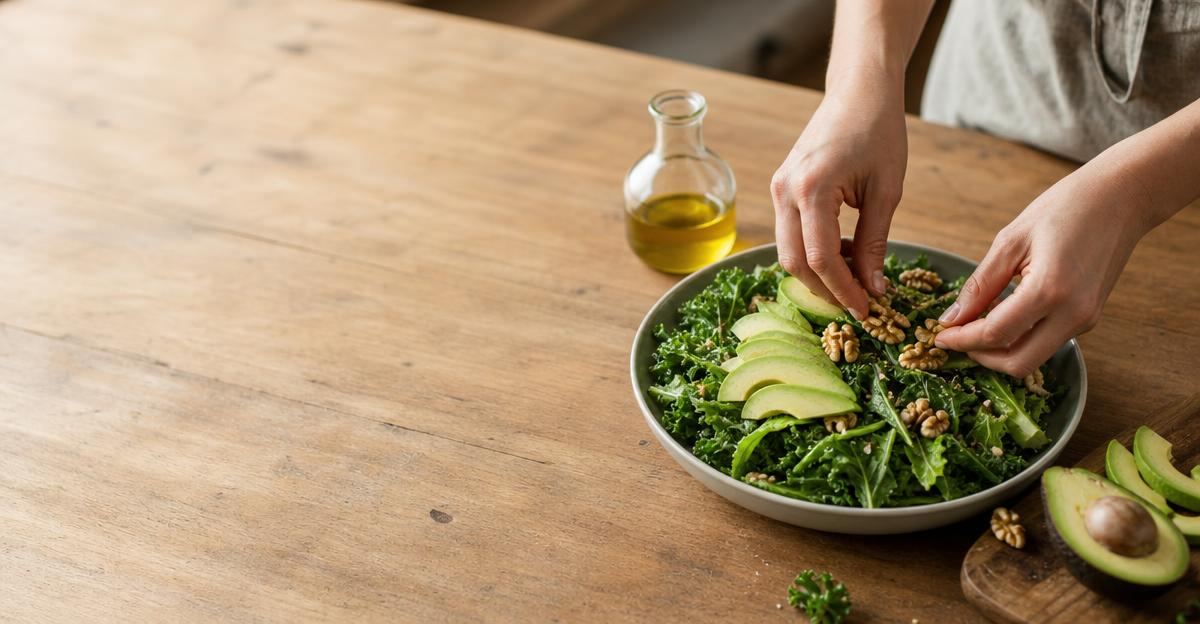
Dietary fat is an essential macronutrient that often gets misunderstood. For decades, low-fat diets dominated wellness advice, leading many people to avoid fats entirely. Today, nutritional science recognizes that dietary fats are vital for hormone production, cell structure, brain health, and the absorption of fat-soluble vitamins like A, D, E, and K.
Because fat contains nine calories per gram—more than double the four calories per gram found in protein and carbohydrates—portion sizes look quite different on your plate. Understanding what a single serving provides helps you fuel your body effectively without unintentionally overshooting your daily energy targets.
Note that this guide provides general nutritional information; speak to a clinician or registered dietitian before making drastic changes to your dietary routine, especially if you manage cardiovascular or metabolic conditions.
Why Dietary Fat Matters
Every cell membrane in your body relies on lipids for structural integrity. Dietary fats also slow digestion, helping promote steady blood sugar levels and prolonged satiety after meals. When you include balanced fat sources, you stay full longer and reduce between-meal energy crashes.
The types of fats you consume matter as much as the quantity. Nutrition research distinguishes broadly between unsaturated fats (monounsaturated and polyunsaturated, including omega-3 and omega-6 fatty acids) and saturated fats. Incorporating mostly unsaturated plant and marine sources supports heart health and healthy lipid profiles.
According to the Dietary Guidelines for Americans, healthy dietary patterns emphasize replacing saturated fats with unsaturated fats while keeping total fat intake within a balanced proportion of daily calories.
What a Serving of Fat Looks Like
A standard serving of dietary fat typically contains about 5 to 14 grams of total fat, depending on whether it comes from a pure oil or a whole-food source that also contains protein or fiber. Here is what common servings deliver in terms of volume, calories, and nutrient profile.
1. Plant Oils (Olive, Avocado, Canola)
- Serving size: 1 tablespoon (about 14 grams)
- Calories: ~120 kcal
- Fat content: ~14 grams
Pure oils are the most calorie-dense form of dietary fat. Extra virgin olive oil and avocado oil are rich in oleic acid, a monounsaturated fat associated with heart health and anti-inflammatory benefits. Because a single tablespoon pours quickly, measuring with a spoon rather than free-pouring makes a significant difference when tracking your daily energy intake.
2. Whole Avocados
- Serving size: 1/3 medium avocado (about 50 grams)
- Calories: ~80 kcal
- Fat content: ~7 to 8 grams (mostly monounsaturated)
- Bonus nutrients: ~3 grams of dietary fiber, potassium, and folate
Unlike extracted oils, whole avocados provide significant dietary fiber alongside healthy fats. This combination creates high satiety per calorie.
3. Tree Nuts and Peanuts
- Serving size: 1 ounce (a small handful, about 28 grams)
- Calories: ~160 to 200 kcal
- Fat content: ~14 to 18 grams
- Bonus nutrients: 4 to 6 grams of protein, plus vitamin E, magnesium, and plant sterols
A 1-ounce serving equals roughly 23 almonds, 14 walnut halves, or about 18 cashews. Walnuts stand out for their high content of alpha-linolenic acid (ALA), an essential plant-based omega-3 fatty acid.
4. Seeds (Chia, Flax, Hemp, Pumpkin)
- Serving size: 2 tablespoons (about 20 to 28 grams)
- Calories: ~120 to 150 kcal
- Fat content: ~9 to 12 grams
- Bonus nutrients: 4 to 9 grams of fiber, minerals like zinc and iron, and plant protein
Seeds are among the most nutrient-dense fat sources available. Ground flaxseeds and chia seeds form a gel in the digestive tract, aiding digestive transit and supporting cholesterol balance.
5. Nut and Seed Butters
- Serving size: 2 level tablespoons (about 32 grams)
- Calories: ~190 to 200 kcal
- Fat content: ~16 grams
- Bonus nutrients: ~7 to 8 grams of protein
Nut butters are easy to over-portion because a heaping tablespoon often weighs twice as much as a level tablespoon. Checking the ingredient list for simple contents—just nuts and a pinch of salt—ensures you avoid unnecessary added sugars or hydrogenated oils.
6. Fatty Fish (Salmon, Mackerel, Sardines)
- Serving size: 3 to 4 ounces cooked
- Calories: ~170 to 230 kcal
- Fat content: ~9 to 14 grams
- Bonus nutrients: 20 to 25 grams of complete protein, vitamin D, and preformed omega-3 fatty acids (EPA and DHA)
Fatty fish provide marine omega-3s that support brain health, joint comfort, and cardiovascular function. A 3-ounce cooked portion is roughly the size and thickness of a deck of cards.
Practical Tips for Tracking Fats Accurately
Because fats are calorie-dense, small differences in portion sizes can substantially alter your daily totals. Here are practical ways to manage your servings without spending hours in the kitchen:
- Use measuring spoons for cooking oils: A quick swirl of oil in a frying pan can easily add 200 to 300 untracked calories. Measuring your cooking oil with a tablespoon keeps your logs accurate.
- Watch hidden fats in prepared dressings: Commercial salad dressings and sauces frequently use oil bases that add up quickly. Ask for dressings on the side or whisk olive oil and vinegar at home.
- Pair fats with lean protein and fiber: Combining a measured serving of fat with high-volume greens and lean protein creates meals that digest slowly and keep hunger away for hours.
- Streamline your logging: If you struggle to log complex meals or combined dishes, learning how to track multi-ingredient home-cooked meals fast makes daily nutrition tracking much simpler.
Nutrition and Whole-Person Well-Being
Sustaining a healthy dietary pattern is just one component of overall well-being. Balanced nutrition works hand in hand with restorative sleep, stress management, daily movement, and emotional support systems.
Navigating health and personal care during complex life stages often requires dedicated community and compassionate guidance, as explored in How Life Hospice Honors Every Faith Tradition While Serving Chatham Families A Guide To Spiritual Care In Hospice. Viewing daily habits through a broader lens of long-term care and well-being helps make balanced eating feel sustainable rather than restrictive.
Keep Your Daily Habits in Balance
Building a clear picture of what you eat does not mean cutting out nourishing, satisfying fats. By learning what a serving provides, you can confidently include olive oil, nuts, seeds, and avocado in meals that support your energy and health goals.
Ready to take the guesswork out of daily nutrition? Try Stride to log meals, workouts, and weight in one place.
Put this into practice with Stride
Log meals, training, weight and sleep in seconds, then get guidance that fits your own numbers.
Try Stride free