
Common Cooking Oil Logging Errors and Easy Fixes
Learn the most common cooking oil logging mistakes and discover easy, practical fixes to track culinary fats accurately without slowing down meal prep.
· 4 min read
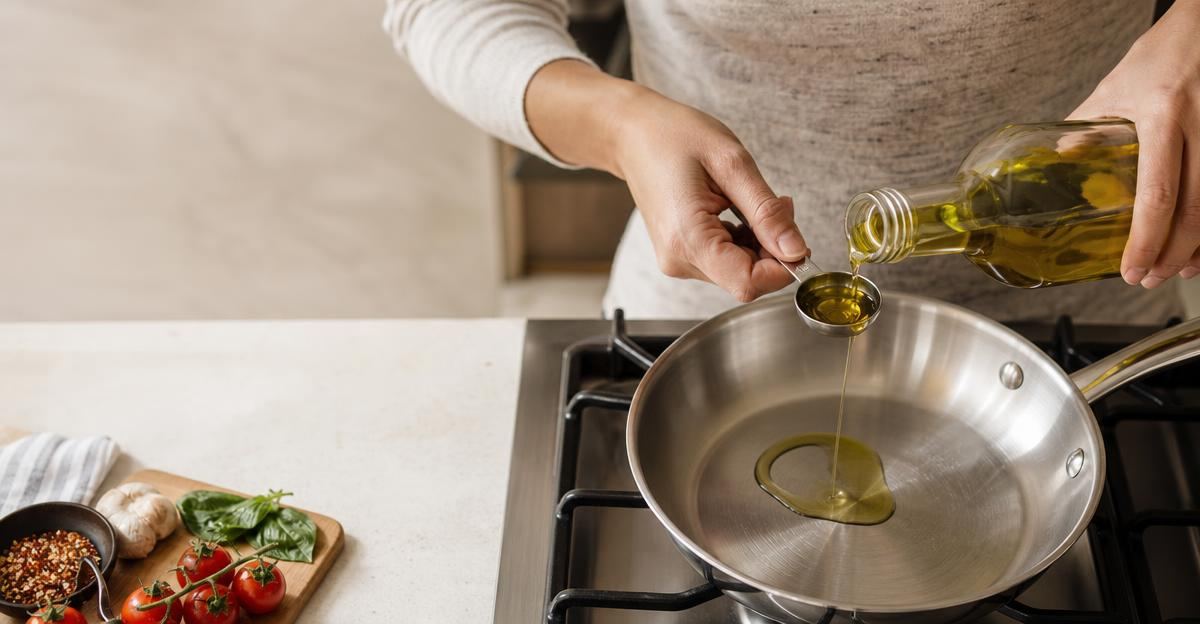
Cooking oil is one of the easiest ingredients to overlook in daily nutrition tracking. Whether you are searing salmon, roasting sweet potatoes, or tossing a simple salad, oil plays a fundamental role in texture and flavor. However, it is also the most energy-dense food in your kitchen.
A single tablespoon of pure fat contains roughly 14 grams of lipids, contributing around 120 calories. A casual pour straight from the bottle can easily double or triple that amount without changing the appearance of your plate. When tracking goals feel stalled despite your best efforts, cooking oil is often the hidden variable.
Learning how to account for fats accurately does not require turning your kitchen into a chemistry lab. With a few practical habits, you can log cooking fats cleanly and keep your routine sustainable.
The Most Common Cooking Oil Logging Errors
Most discrepancies around oil come down to visual deception and cooking dynamics. Here are the main pitfalls people encounter:
1. The "Free Pour" Estimation Error
Pouring olive oil directly from a spout into a hot skillet makes portion size nearly impossible to judge. A circular motion around a ten-inch pan often dispenses two to three tablespoons, even if it feels like a quick splash. When you log this as a standard single tablespoon, your daily tally could be off by 150 to 250 calories from one meal alone.
2. Ignoring Absorption vs. Pan Residue
Not every drop of oil poured into a pan makes it into your body. If you pan-fry chicken breasts in two tablespoons of oil, some fat stays coated on the meat, while a noticeable film remains pooled in the skillet. Conversely, roasted vegetables act like sponges: porous surfaces like eggplant, mushrooms, and broccoli absorb almost 100% of the oil tossed onto them. Logging everything when half stays in the pan—or logging too little when everything is absorbed—skews your data.
3. Assuming Cooking Spray Has Zero Calories
Aerosol sprays often display "0 calories per serving" on the nutrition label because regulatory guidelines permit rounding down for servings under five calories. However, a single labeled serving is usually a 1/4-second spray. A typical two-second coat of the pan actually delivers several grams of oil. If you spray your pans generously multiple times a day, those untracked fats quietly add up.
4. Overlooking Marinades and Pre-Seasoned Foods
When marinating meats or tofu, the liquid base is almost always oil. If you discard the excess marinade before cooking, logging the full original recipe will dramatically overestimate your intake. On the other hand, failing to log the portion that clung to the protein leads to undercounting.
Practical Fixes for Everyday Cooking
Accurate tracking is not about restriction; it is about knowing what is actually on your plate. You can use these simple methods to capture oil intake without slowing down your dinner prep.
Use the Tare-and-Pour Method
Instead of dirtying measuring spoons, place your cooking oil bottle directly onto your digital kitchen scale and press the tare (zero) button. Pour the oil into your skillet or mixing bowl, then place the bottle back onto the scale. The negative number displayed in grams tells you exactly how much oil left the bottle. This takes five seconds and leaves zero extra dishes.
Measure for Roasting Bowls First
When roasting vegetables, toss them with oil in a mixing bowl rather than drizzling oil over the baking sheet. Drizzling over a sheet leaves puddles of oil baked onto the parchment paper, whereas tossing in a bowl distributes a measured amount evenly across the food. If you are learning how to track multi-ingredient home-cooked meals fast, pre-measuring your fat source in a prep bowl keeps individual portions predictable.
Use the Residual Subtraction Rule
For shallow frying or pan-searing where significant fat remains in the pan, a simple rule of thumb keeps numbers realistic:
- For lean meats or high-heat searing: Assume roughly 50% of the added oil is absorbed and 50% stays in the pan or on the plate.
- For porous vegetables or grain dishes: Log 100% of the oil used.
According to the USDA FoodData Central composition database, pure culinary oils—whether olive, avocado, canola, or sesame—contain nearly identical caloric densities per gram, meaning you can use the same mathematical approach regardless of which oil you prefer.
Designing a Kitchen for Mindful Food Prep
Accurate habits start with a functional setup. Keeping clear measuring spoons by the stove, storing bulk oils in smaller pour-control bottles, and keeping counter spaces organized reduces friction. If you share your living space with extended family or are ensuring a safe cooking environment for older adults, having designated, spill-resistant dispensers makes portioning safer and simpler for everyone in the household.
Keep in mind that dietary fats are vital for hormone production, brain health, and nutrient absorption. The goal of tracking is never to eliminate cooking fats, but rather to build clarity around your daily energy balance. Note that nutritional needs vary individually, and this information serves as general education rather than medical guidance; speak with a registered dietitian or physician regarding your specific health plan.
Finding Balance Without Obsession
Precision matters most when you are establishing your baseline. After a few weeks of weighing your cooking oils with the tare method, your eye will naturally calibrate. You will quickly recognize what a single teaspoon looks like on a skillet or how much dressing coats a salad.
When you want an effortless way to keep your nutrition, activity, and health habits organized, Stride brings everything together. Try Stride to log meals, workouts, and weight in one place.
Put this into practice with Stride
Log meals, training, weight and sleep in seconds, then get guidance that fits your own numbers.
Try Stride free