
Chickpea Calories: Complete Nutrition Facts & Guide
Learn the exact calorie and nutrition breakdown for cooked, canned, and dry chickpeas, plus practical tracking tips for meals, hummus, and snacks.
· 5 min read
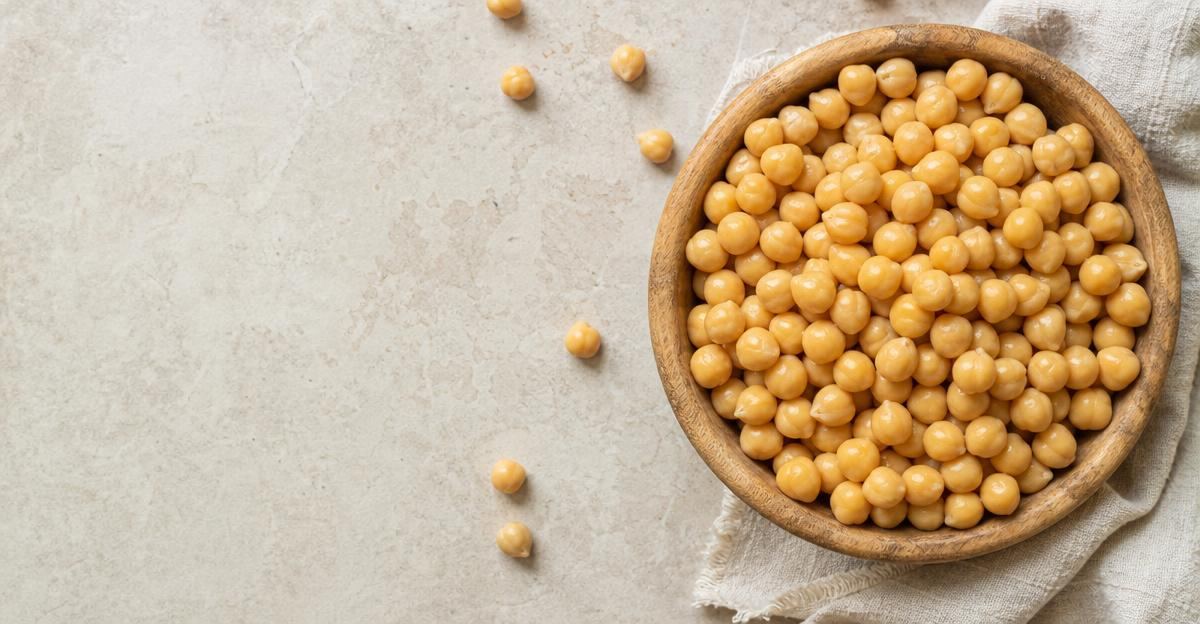
Chickpeas, also known as garbanzo beans, are a staple in kitchens around the world for good reason. They are versatile, inexpensive, and shelf-stable. Whether you toss them into a lunchtime salad, blend them into creamy hummus, or roast them for a crunchy evening snack, they bring a balanced mix of complex carbohydrates, plant-based protein, and dietary fiber.
However, if you are actively logging your meals, you might notice that calorie counts for chickpeas vary wildly depending on how they are prepared, measured, and served. Understanding how chickpea calories work will help you log them accurately without overcomplicating your routine.
Chickpea Calories: Cooked, Canned, and Dry
The biggest reason chickpea calorie counts seem confusing comes down to moisture content. Like all legumes, dry chickpeas absorb a substantial amount of water as they cook, which roughly doubles or triples their weight while spreading out the energy density.
According to nutrient profiles in the USDA FoodData Central database, here is how the calorie and macronutrient breakdown looks across common preparations:
- Cooked chickpeas (boiled from dry, without added oil or salt): One cup (about 164 grams) provides roughly 269 calories, 14.5 grams of protein, 4.2 grams of fat, and 45 grams of total carbohydrates, including 12.5 grams of dietary fiber.
- Canned chickpeas (drained and rinsed): One cup (around 152 grams) typically contains about 210 to 240 calories, around 11 to 12 grams of protein, 3 to 4 grams of fat, and roughly 35 to 40 grams of carbohydrates. Canned versions often hold slightly more water weight than home-cooked dry beans.
- Raw, dry chickpeas: One cup of uncooked dry chickpeas (around 200 grams) contains approximately 756 calories, 41 grams of protein, 12 grams of fat, and 126 grams of carbohydrates. When cooked, this single dry cup expands into roughly two and a half to three cups of edible beans.
If you are cooking a batch from scratch, the easiest way to track them is by measuring the cooked weight or volume after boiling. When using a pre-packaged can, logging them as drained canned chickpeas ensures your log reflects what actually ends up on your plate.
What Makes Chickpea Calories So Satiating?
Not all calories affect your appetite in the same way. The calories in chickpeas come packaged with two nutrients that strongly support fullness: dietary fiber and plant protein.
A single cup of cooked chickpeas delivers nearly half of the daily recommended fiber intake for many adults. Much of this is soluble fiber, which forms a gel-like substance in the digestive tract. This slows down gastric emptying and helps moderate blood sugar rises after a meal.
When you pair that fiber with roughly 14 grams of protein, chickpeas digest slowly and steadily. This combination makes them especially useful if you are managing calorie intake, as they help stave off between-meal hunger far better than refined grains or processed snack foods.
If you are managing your nutrition alongside other lifestyle markers, keeping tabs on your meals alongside medical parameters via resources like medical.life can help you view your overall metabolic well-being holistically. Note that if you have specific dietary restrictions, renal health concerns, or gastrointestinal conditions, it is always wise to consult a registered dietitian or personal clinician for individualized guidance.
Hidden Calories in Common Chickpea Dishes
While whole chickpeas are naturally moderate in calories, the way they are prepared can change their energy density quickly. When logging your meals, pay close attention to the cooking fats and added ingredients:
1. Hummus
Traditional hummus combines pureed chickpeas with tahini (sesame seed paste), olive oil, garlic, and lemon juice. While tahini and olive oil offer heart-healthy unsaturated fats, they are calorie-dense. A standard two-tablespoon serving of commercial hummus usually has between 60 and 80 calories. If you scoop generously, a quarter-cup dip can easily add 150 to 180 calories to your snack.
2. Roasted Chickpeas
Crispy roasted chickpeas make a great alternative to potato chips. However, store-bought crunchy chickpeas are often tossed in vegetable oils before baking or frying. A single small serving (around 1 ounce or 28 grams) can contain 120 to 140 calories. If you make them at home, you can control the oil by using a light olive oil spray instead of free-pouring liquid oil.
3. Chickpea Pasta and Flour (Besan)
Pasta made from chickpea flour is popular for its higher protein and fiber content compared to traditional wheat pasta. Per dry ounce, chickpea pasta has a similar calorie count to standard semolina pasta (around 190 to 200 calories per 2-ounce dry serving). It offers more micronutrients and fiber, but it is not inherently a "low-calorie" swap—portion awareness still matters.
If you often combine chickpeas into stews, curries, or grain bowls, learning how to track multi-ingredient home-cooked meals fast will make logging these recipes simple and consistent.
Practical Tips for Tracking Chickpeas Accurately
To keep your food log accurate without spending unnecessary time with a measuring spoon, keep these practical tips in mind:
- Drain and rinse before measuring: If you use canned chickpeas, pour them into a colander and rinse away the liquid (aquafaba) before weighing or measuring. The canning liquid contains minimal calories, but it adds false weight if measured together.
- Weigh in grams when possible: A "cup" of chickpeas can vary depending on how tightly packed the beans are. Using a digital kitchen scale and logging 100 grams of drained chickpeas (about 140 calories) is far more consistent than estimating by volume.
- Account for cooking oils: If you saute chickpeas in a skillet with a tablespoon of olive oil, remember that the oil adds roughly 120 calories to the entire dish. Log the oil and the chickpeas as separate items or as a combined recipe.
- Watch sodium in canned options: While sodium does not add calories, canned beans can contain substantial salt. Look for "no salt added" or "low sodium" cans, or rinse regular canned beans under running tap water for 30 seconds to wash away up to 40% of the surface sodium.
The Bottom Line on Chickpeas
Chickpeas are a nutrient-dense, fiber-packed food that fits into almost any nutritional approach, from Mediterranean-style eating to plant-based diets. Their unique mix of complex carbs, protein, and slow-digesting fiber makes them a reliable ally for appetite control and steady energy throughout the day. By keeping an eye on added fats and logging cooked versus dry weights correctly, you can easily fit them into your daily target.
Ready to simplify your daily tracking? Try Stride to log meals from a quick photo, track your workouts, and monitor your weight trends all in one place.
Put this into practice with Stride
Log meals, training, weight and sleep in seconds, then get guidance that fits your own numbers.
Try Stride free