
Broth Nutrition and Tracking: A Practical Guide
Learn the nutritional differences between stock, broth, and bone broth, how to track them accurately, and easy ways to use them daily.
· 4 min read
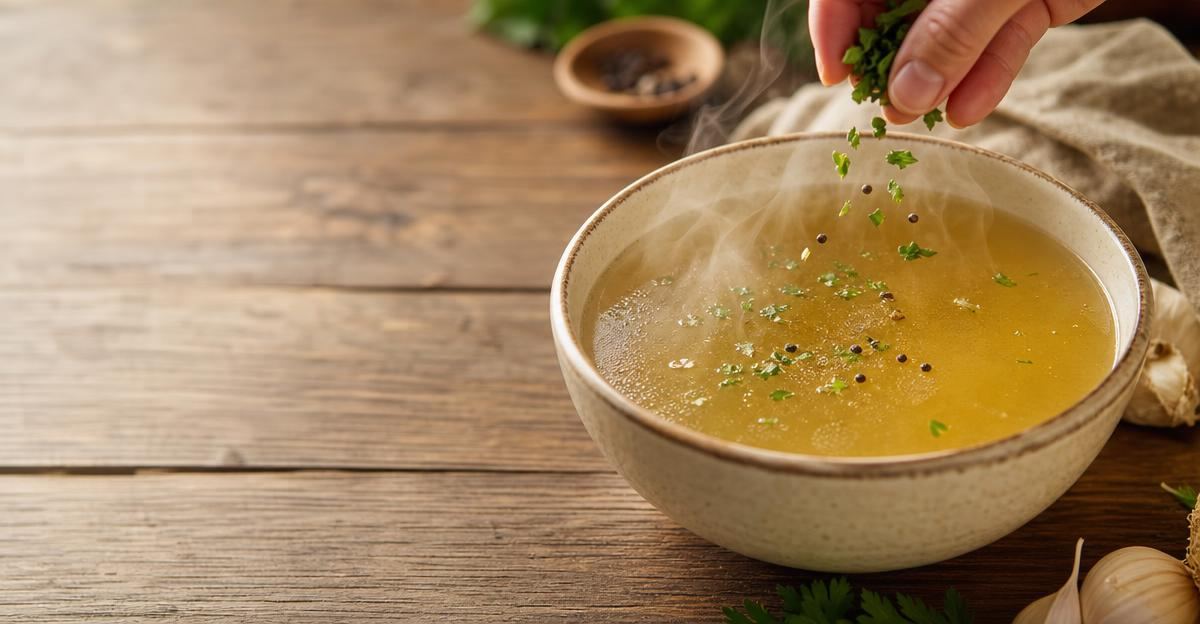
A warm mug of broth is one of the simplest dietary habits you can adopt. Whether you sip bone broth between meetings, use chicken stock as a cooking base, or turn to vegetable broth on cooler evenings, it offers comfort with very few calories.
At the same time, broth often gets caught between two extremes. It is sometimes marketed as a cure-all superfood, while in other circles it is dismissed as flavored water. In reality, broth is a versatile, nutrient-dense tool for hydration, satiety, and cooking.
Understanding what is actually in your cup helps you track it accurately without overthinking your daily routine.
The Difference Between Stock, Broth, and Bone Broth
While people often use these terms interchangeably, their nutritional profiles differ based on how they are prepared:
- Traditional broth: Made primarily by simmering meat and vegetables for a short period. It is light, savory, and usually low in protein and calories.
- Meat or poultry stock: Made by simmering bones, cartilage, and aromatics. It has more body because gelatin naturally releases into the liquid during cooking.
- Bone broth: Essentially a concentrated stock simmered for anywhere from 12 to 24 hours. The prolonged cooking time breaks down connective tissue, yielding higher amounts of gelatin, collagen, and amino acids.
- Vegetable broth: Made by simmering vegetables, herbs, and aromatics. It provides potassium and hydration but contains negligible protein and fat.
Checking the USDA FoodData Central database shows that a standard cup of traditional chicken broth contains roughly 10 to 15 calories and 1 to 2 grams of protein, whereas a rich, simmered bone broth can contain 40 to 80 calories and 6 to 10 grams of protein per cup.
Practical Benefits of Adding Broth to Your Routine
You do not need to view broth as a miracle drink to enjoy its genuine health benefits.
1. Low-Calorie Satiety
Drinking a warm cup of savory liquid before a meal or during an afternoon lull can take the edge off hunger without adding significant calories. The warm temperature and savory umami flavor trigger sensory cues that help curb mindless snacking while you wait for dinner.
2. Hydration and Electrolyte Support
Broth delivers both fluid and sodium, making it an effective hydration choice, especially for active individuals or people following lower-carbohydrate meal plans where sodium excretion is higher. If you are managing hypertension or kidney issues, discuss your sodium intake with a primary care clinician, or explore options through carenavigator.life for localized clinical support.
3. A Healthier Cooking Medium
Using broth instead of heavy oils or butter when sauteing vegetables, braising meats, or cooking grains is an easy way to build rich flavor without adding dense fats. Grains cooked in broth absorb savory notes and small amounts of amino acids directly into every serving.
Common Tracking Mistakes with Broth
Because broth feels light, it is easy to make assumptions when logging it. Here are three common tracking pitfalls to watch for.
Overestimating the Protein
Many people drink a cup of standard store-bought broth and log it as a full serving of protein. Unless the label explicitly confirms 8 to 10 grams of protein per cup, standard boxed broths offer very little. If you are learning how to track multi-ingredient home-cooked meals fast, make sure you distinguish between lean sipping stocks and heavy, collagen-rich reductions.
Ignoring the Sodium Level
A single cup of regular canned or boxed broth can contain 500 to 900 milligrams of sodium. While sodium does not contain calories, a sudden spike in sodium intake can cause your body to hold extra water for a day or two. If you notice a quick bump on the scale after a broth-heavy soup day, temporary water retention is usually the reason. Choosing low-sodium or unsalted varieties gives you full control over how much salt goes into your food.
Forgetting the Added Fats
Homemade broths that are not skimmed after chilling can retain a layer of rendered fat on top. A single tablespoon of animal fat contains roughly 115 calories. If you leave the fat layer in your broth, be sure to account for those fats in your daily logs. If you prefer a leaner broth, let your batch cool in the refrigerator overnight and lift off the solid fat cap before reheating.
How to Work Broth Into Your Day
Making broth a sustainable part of your routine does not require complex meal prep:
- The afternoon reset: Swap an extra cup of caffeinated coffee for an 8-ounce mug of seasoned bone broth with a squeeze of lemon and a dash of black pepper.
- Easy grain upgrades: Cook quinoa, brown rice, or farro in low-sodium vegetable or chicken broth instead of plain water.
- Quick vegetable soups: Simmer leftover chopped vegetables, a can of white beans, and pre-cooked chicken breast in vegetable or poultry stock for a balanced 10-minute dinner.
Broth is a flexible, nourishing habit that fits seamlessly into almost any nutrition goal. If you want an effortless way to keep an eye on your daily habits, use Stride to log meals, workouts, and weight in one simple place.
Put this into practice with Stride
Log meals, training, weight and sleep in seconds, then get guidance that fits your own numbers.
Try Stride free