
Apricot Calories and Nutrients: Fresh vs. Dried
Compare fresh vs. dried apricot calories, fiber, and nutrients. Learn how water loss impacts portion sizes and how to log both accurately.
· 5 min read
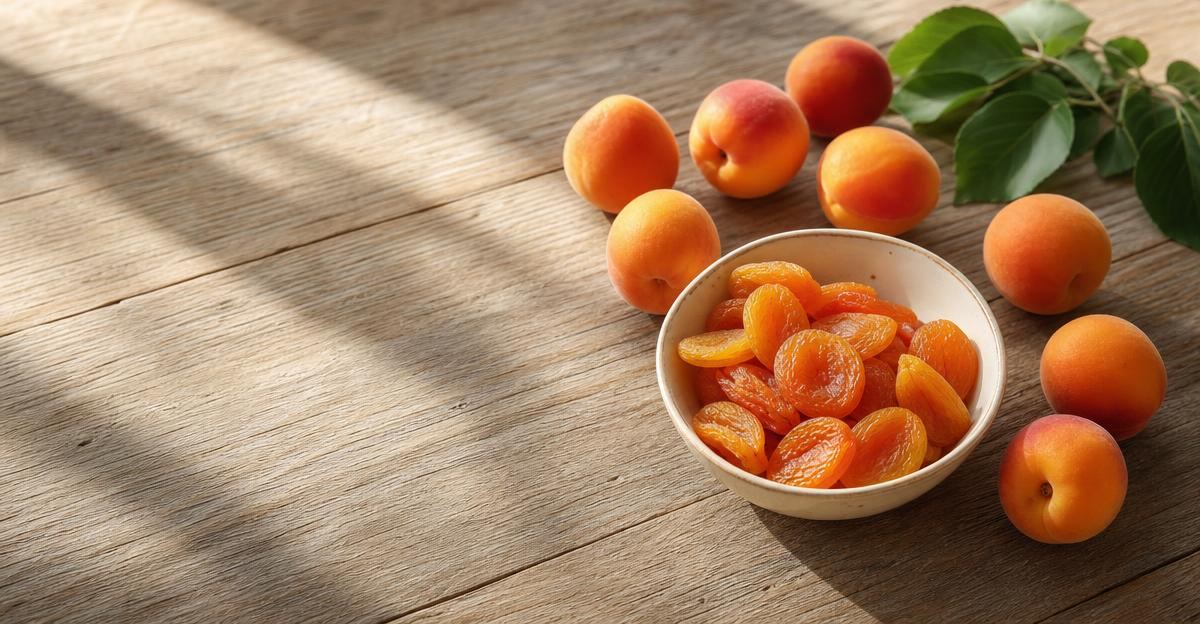
Apricots are a seasonal favorite in summer and a pantry staple year-round. Whether you enjoy them fresh off the tree or dried as a convenient snack, they offer distinct nutritional profiles that can fit into your daily routine.
Understanding the difference between fresh and dried apricots helps you make informed choices about portion sizes, energy density, and micronutrient intake. Here is a clear breakdown of how fresh and dried apricots compare, how processing changes their nutrient density, and practical ways to log them in your diet.
Fresh vs. Dried: The Water and Calorie Difference
The primary difference between fresh and dried apricots comes down to water content. Fresh apricots consist of roughly 85% water by weight. When the fruit is dehydrated, almost all of that moisture evaporates, leaving behind a concentrated package of carbohydrates, fiber, vitamins, and minerals.
Because drying removes water, the calorie density shifts dramatically between equal weights:
- Fresh apricots (100 grams / ~3 medium fruits): roughly 48 calories, 11 grams of total carbohydrates, 2 grams of fiber, and less than 1 gram of protein.
- Dried apricots (100 grams / ~14 halves): roughly 241 calories, 63 grams of total carbohydrates, 7 grams of fiber, and about 3.4 grams of protein.
When looking at volume, a cup of fresh sliced apricots provides about 75 calories, while a cup of dried apricot halves contains over 300 calories. Neither form is inherently superior, but their energy densities serve different nutrition goals.
According to the USDA FoodData Central database, drying concentrates macronutrients by a factor of roughly five per unit of weight. If you are aiming for satiety on a lower calorie budget, fresh apricots provide high volume and hydration for very few calories. If you need portable, shelf-stable energy for endurance exercise or busy workdays, dried apricots offer dense nutrition in a compact serving.
Micronutrient Comparison: What Stays and What Changes
Both fresh and dried apricots are nutrient-dense fruits, but the dehydration process alters certain vitamins and minerals.
Vitamin A and Beta-Carotene
Apricots owe their vibrant orange color to carotenoids, primarily beta-carotene, which the body converts into vitamin A. Both forms are excellent sources of these antioxidant compounds, supporting vision, immune function, and skin health. Dehydration preserves carotenoids well, making dried apricots an exceptionally concentrated source of provitamin A per ounce.
Potassium and Iron
Minerals do not degrade during drying. As water is removed, essential minerals like potassium, iron, and magnesium become concentrated. A modest handful of dried apricots delivers a meaningful amount of potassium, which supports fluid balance and healthy blood pressure levels. Dried apricots are also a plant-based source of non-heme iron.
Vitamin C
Unlike minerals and carotenoids, vitamin C is sensitive to heat, air, and prolonged processing. Fresh apricots retain their natural vitamin C, whereas traditional sun-drying or commercial dehydration significantly reduces vitamin C content unless specific preservatives are added.
Dietary Fiber
Fiber remains intact regardless of the drying process. While 100 grams of dried apricots contains more fiber than the same weight of fresh fruit, three fresh apricots provide roughly the same amount of fiber as six dried halves. Including either option supports digestion and gut health.
Watch Out for Added Sugars and Sulfites
When buying dried apricots, checking the ingredient label is a valuable habit.
Many commercial dried fruits contain added sugars or fruit juice concentrates to enhance sweetness. Pure dried apricots need no added sugar; their natural sweetness is already concentrated. Look for packages that list only "apricots" on the ingredient deck.
You may also notice two distinct colors of dried apricots in the grocery store:
- Bright orange dried apricots: These are treated with sulfur dioxide (sulfites) before drying. Sulfites preserve the fruit's vivid color and extend shelf life by preventing enzymatic browning.
- Dark brown or dark orange dried apricots: Often labeled as unsulfured or organic, these apricots dry naturally in the sun without chemical treatment. They have a deeper, caramel-like flavor.
While sulfites are generally recognized as safe for most people, some individuals have sulfite sensitivities that can trigger respiratory or digestive symptoms. If you experience sensitivities or prefer minimally processed snacks, unsulfured varieties are an easy swap.
How to Fit Each Into Your Daily Routine
Both fresh and dried apricots can easily support your nutrition and wellness goals when paired thoughtfully.
When to Choose Fresh Apricots
Fresh apricots shine when you want a light, refreshing snack with plenty of volume. Because of their high water content, you can eat several whole apricots for under 100 calories. They pair well with Greek yogurt, cottage cheese, or tossed into summer salads with leafy greens and a light vinaigrette.
When to Choose Dried Apricots
Dried apricots are ideal when convenience, portability, and shelf stability matter. Keep a small portion in your desk drawer, gym bag, or hiking pack for quick energy. Because they are calorie-dense, pairing them with a source of protein or healthy fat—such as a handful of raw almonds or walnuts—helps slow digestion and keeps blood sugar steady.
If you are balancing busy days and managing complex routines, learning how to track medications and daily habits together can help ensure your nutrition and wellness stay consistent alongside your daily schedule.
Practical Tips for Logging Apricots
Because fresh and dried fruits differ so significantly in density, accurate logging requires noting the form you eat:
- Check the entry type: Make sure your logging entry specifies "raw/fresh" or "dried." Logging 100 grams of dried apricots under a fresh apricot entry would drastically underestimate your calorie and carbohydrate intake.
- Weigh or count dried portions: Because dried fruit is easy to overeat by the handful, using a food scale or counting individual halves ensures your portion matches your daily targets.
- Account for dried fruit in mixed foods: Trail mixes, granolas, and baked goods often contain dried apricots. Review nutrition labels for exact serving sizes and added sweeteners.
For specific dietary adjustments or conditions like diabetes or kidney disease where potassium and carbohydrate intake require careful monitoring, always consult with a registered dietitian or physician for personalized guidance.
Building a consistent routine is easier when you have clear visibility into your daily habits. With Stride, you can log meals with a quick photo, track workouts, monitor your weight, and view your daily trends in one simple app.
Put this into practice with Stride
Log meals, training, weight and sleep in seconds, then get guidance that fits your own numbers.
Try Stride free